
Kia K4: A Politely Conservative ‘Bold’ Step
The new Kia K4 dresses itself in bold slogans, but its true strengths lie in space, practicality and a cautious approach to electrification—an evolutionary step rather than a groundbreaking one.
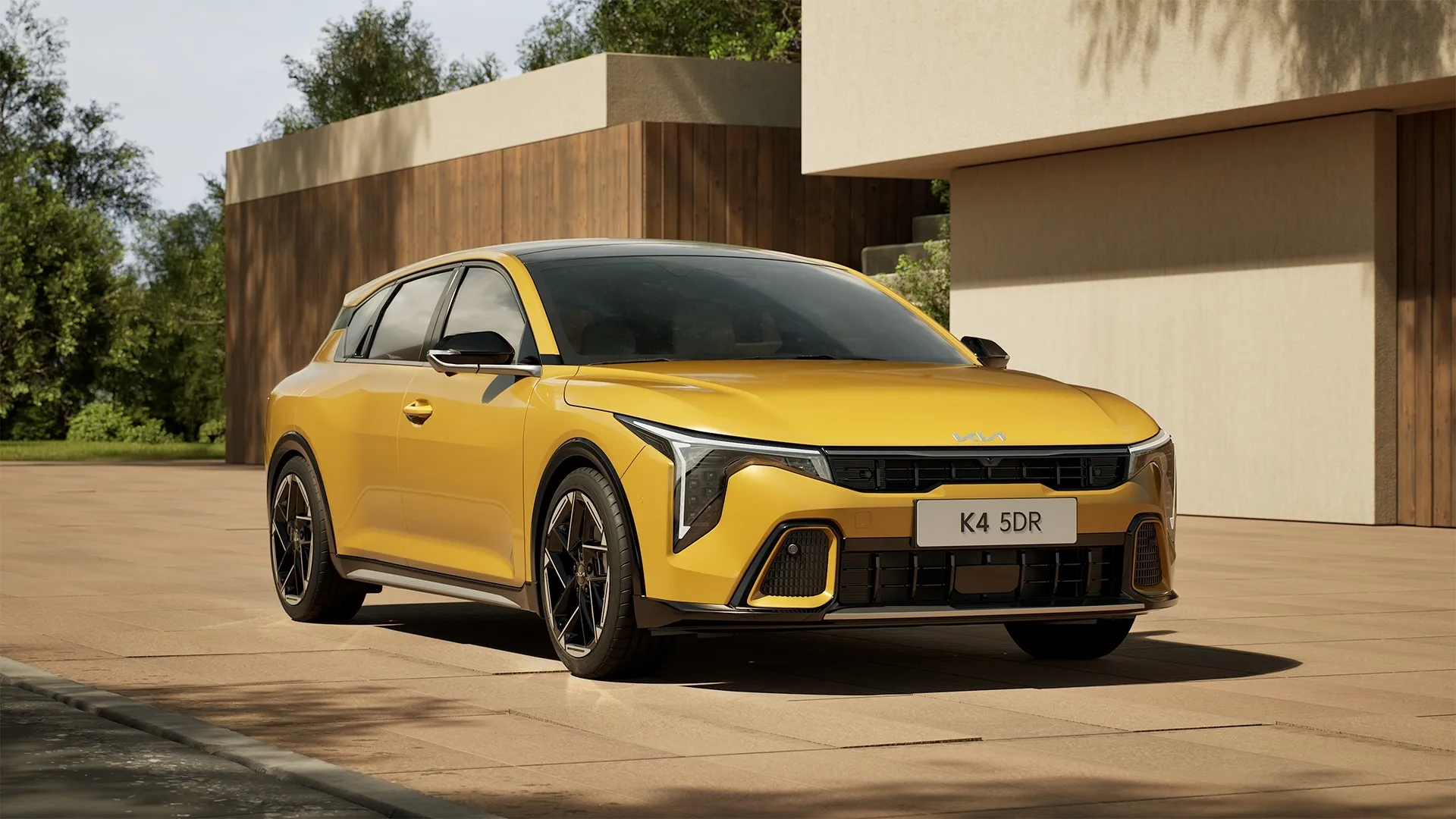
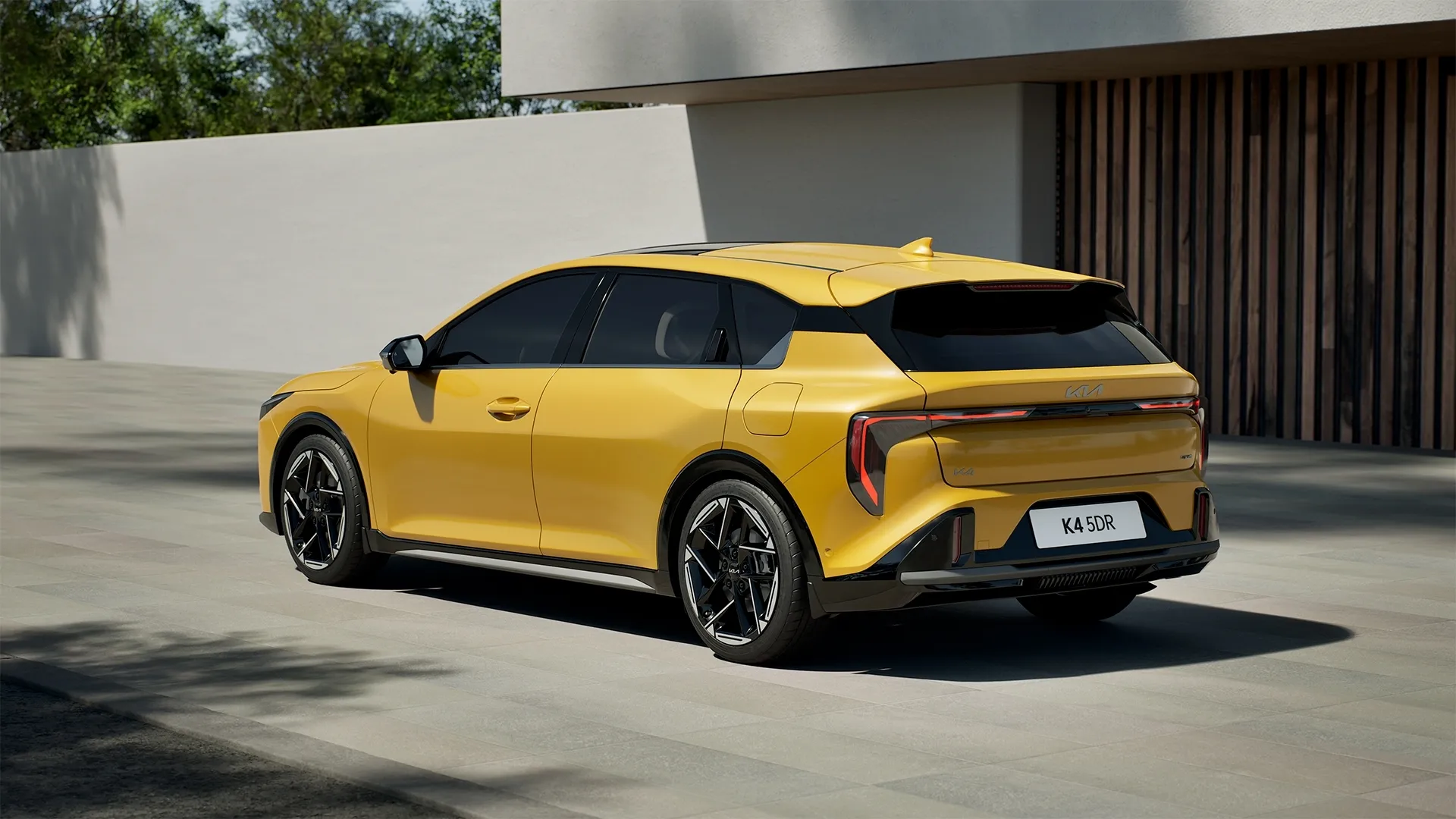
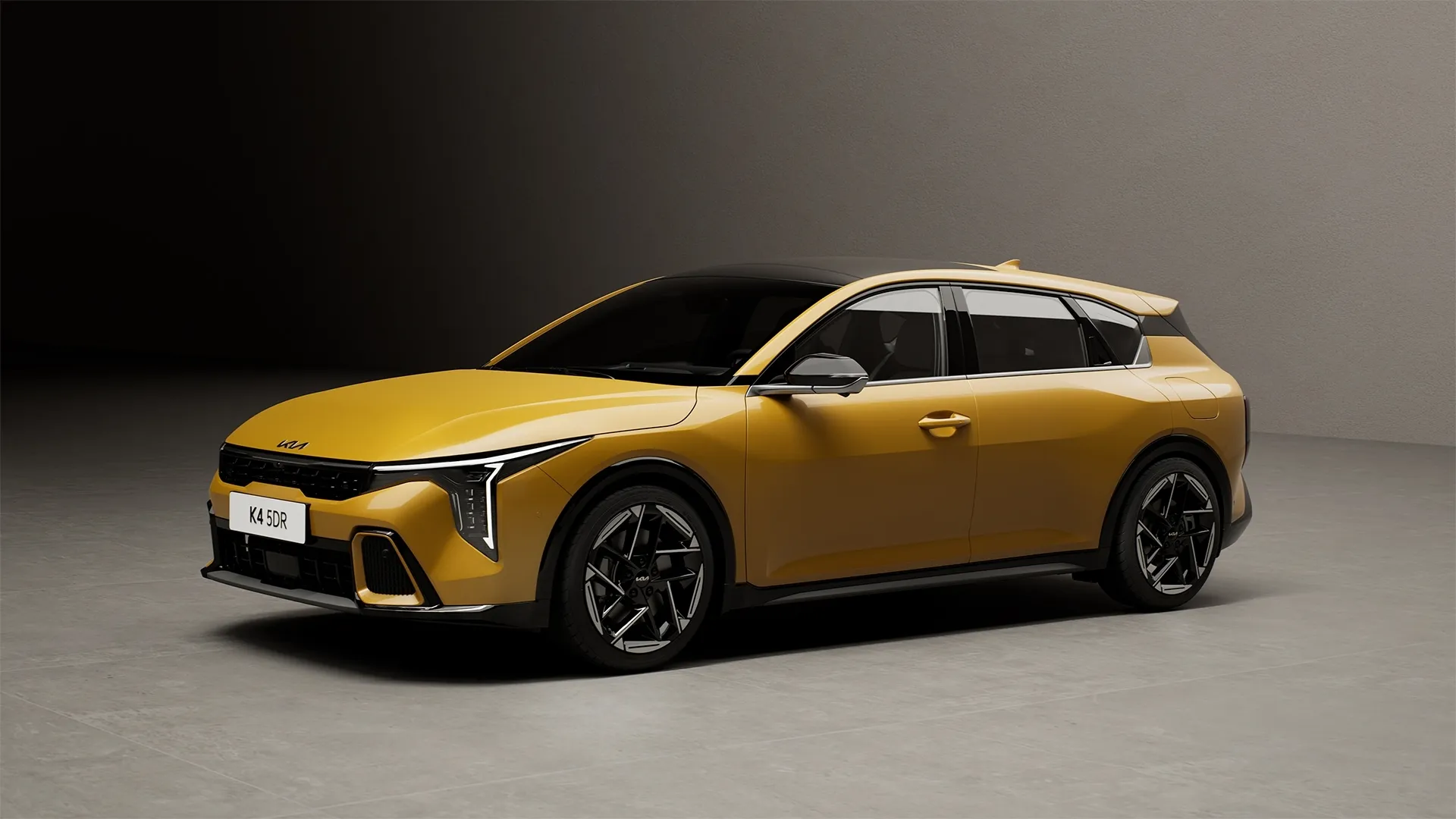
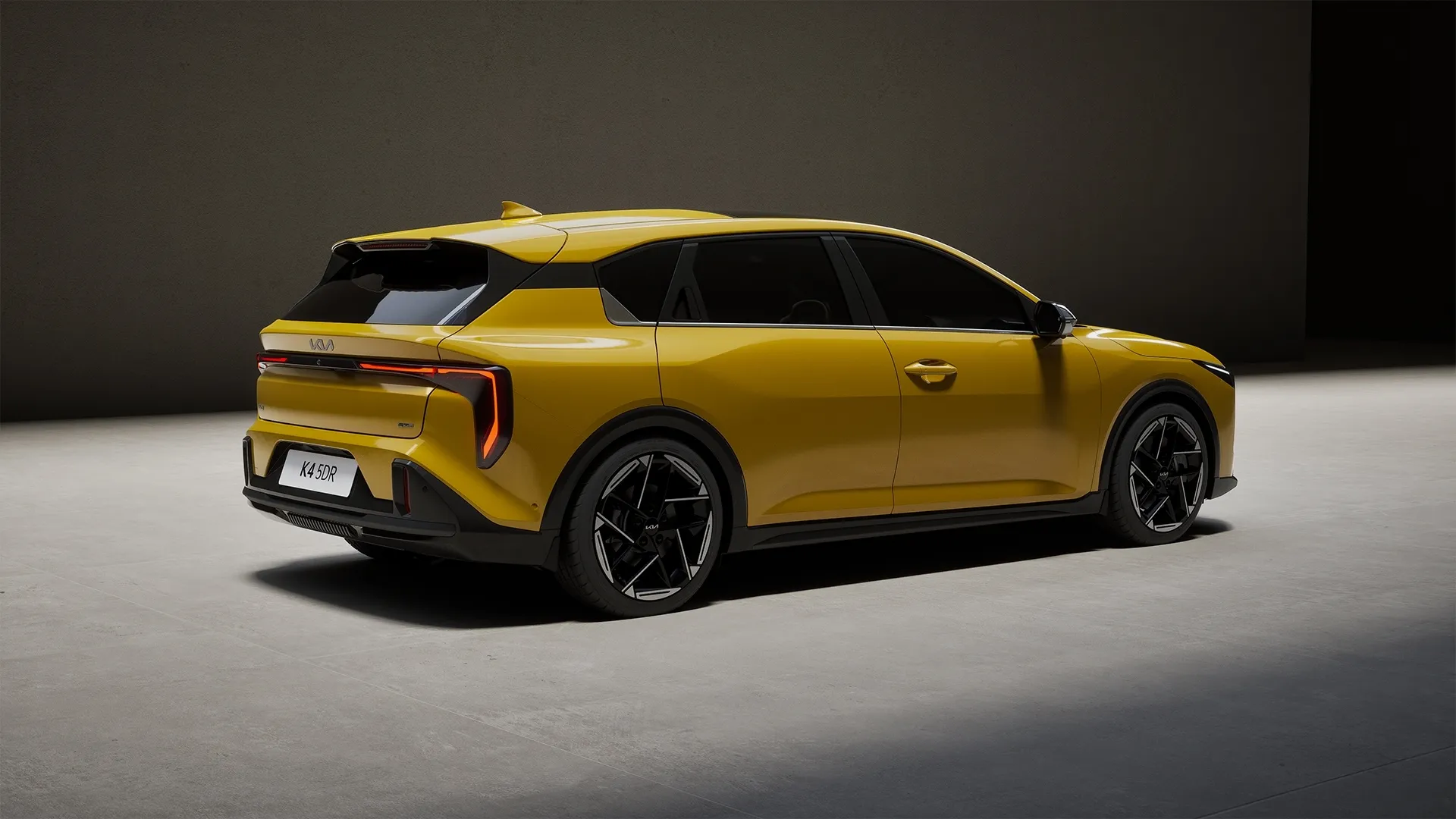
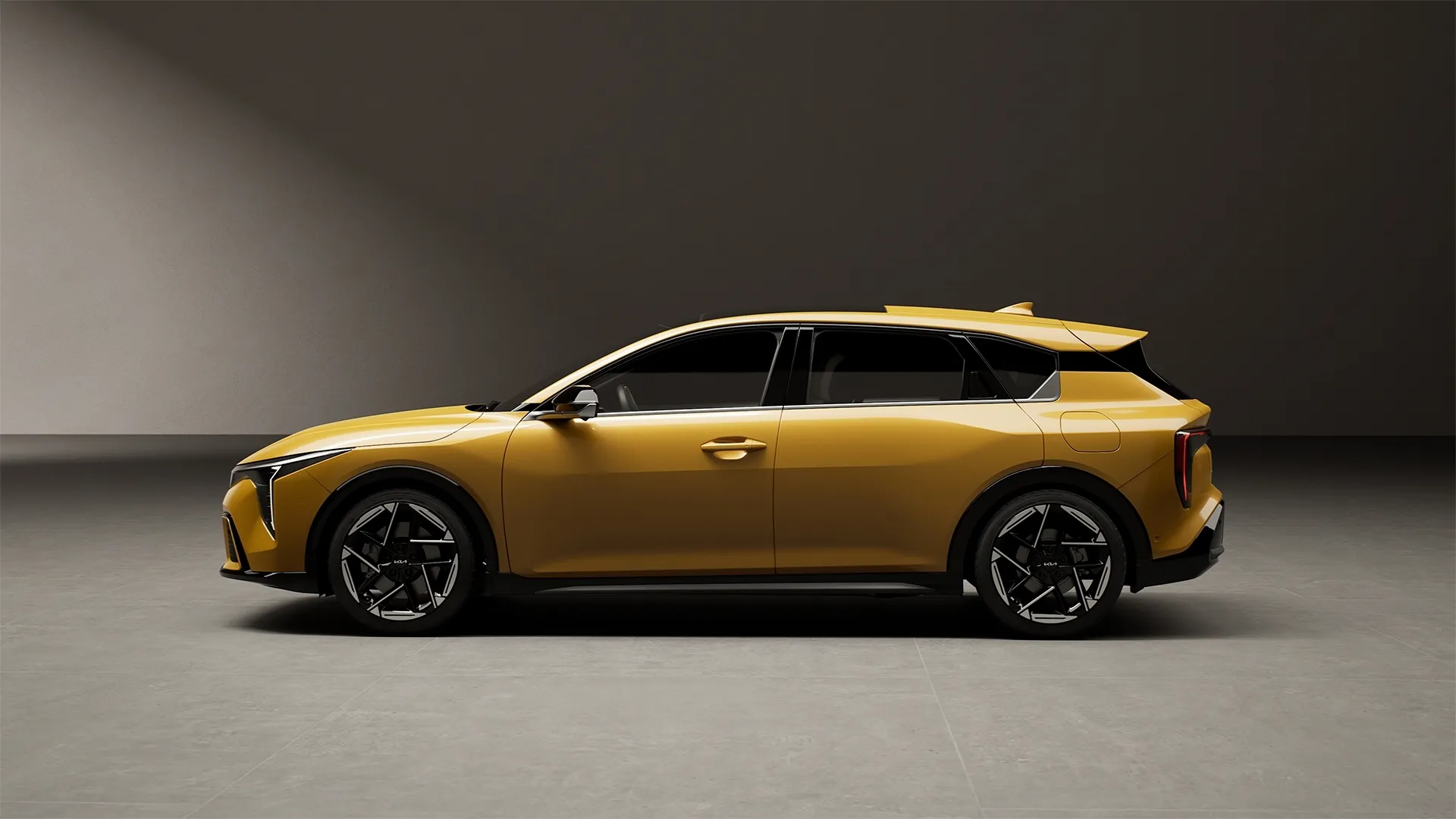
Positioned as a bridge between the C- and D-segments, the K4 is a 4.44-metre-long, 1.85-metre-wide five-door hatchback. Kia talks of its “Opposites United” design philosophy and “courage,” yet the cues are more evolutionary than radical: lines inspired by the EV9, familiar LED signatures, and the usual attempt at a sportier character for a new generation. Its real point of distinction is not design slogans but space, offering more rear legroom (964 mm) than most rivals and a 438-litre boot—features likely to matter more to buyers than marketing poetry.
Powertrains are conventional petrol units lightly dusted with electrification. The 1.0 T-GDi MHEV delivers 115 hp, while the 1.6 T-GDi ranges from 150 to 180 hp, all paired with a seven-speed dual-clutch gearbox. A full hybrid is promised only in late 2026, and there is no all-electric version at all—making clear that the K4 is not part of Kia’s true future strategy but rather a compromise for those unwilling to go fully electric just yet.
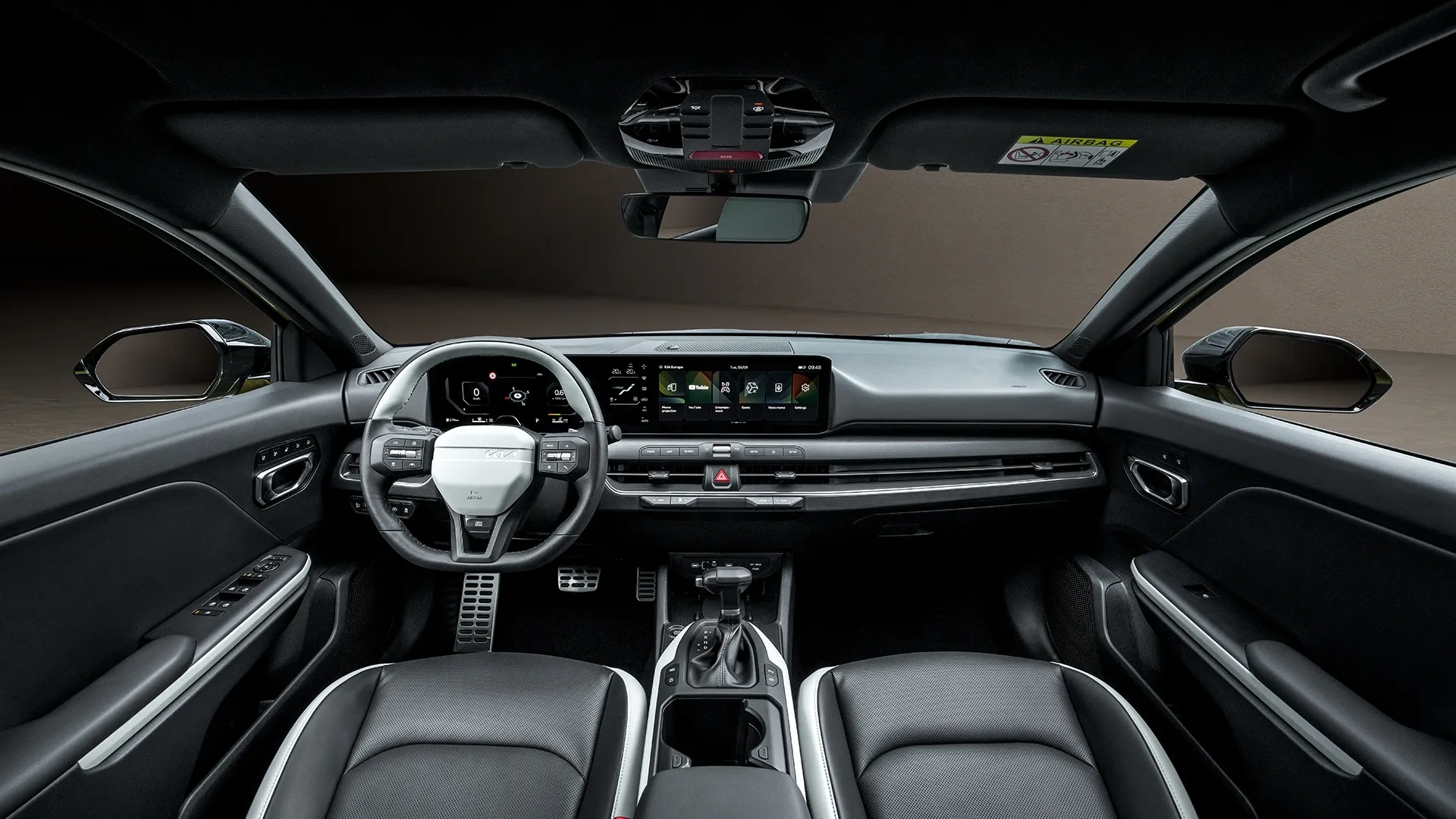
Inside, the focus is on digital real estate: two 12.3-inch displays flanking a 5.3-inch climate panel, with ever fewer physical buttons. An AI-based voice assistant and digital key help cast the K4 as “smart,” though these are quickly becoming baseline features in the segment. The same applies to the 18 driver-assistance systems, from blind-spot cameras and adaptive cruise to collision-avoidance tech.
The K4 is not a revolution but a competent evolution, stretching the hatchback class by offering more room and a dash of premium garnish. It is a practical, gently modernised family car for those who want something above a Ceed but are not yet ready to step fully into the electric age.
Kia is presenting its new K4 in Europe as the fusion of design and technology. The recipe is familiar: mildly sporty styling, a practical cabin and an electronic veneer designed to disguise the fact that this is, at heart, a standard mid-market car. Positioned as a bridge between the C- and D-segments, the K4 is a 4.44-metre-long, 1.85-metre-wide five-door hatchback. Kia talks of its “Opposites United” design philosophy and “courage,” yet the cues are more evolutionary than radical: lines inspired by the EV9, familiar LED signatures, and the usual attempt at a sportier character for a new generation. Its real point of distinction is not design slogans but space, offering more rear legroom (964 mm) than most rivals and a 438-litre boot—features likely to matter more to buyers than marketing poetry. Powertrains are conventional petrol units lightly dusted with electrification. The 1.0 T-GDi MHEV delivers 115 hp, while the 1.6 T-GDi ranges from 150 to 180 hp, all paired with a seven-speed dual-clutch gearbox. A full hybrid is promised only in late 2026, and there is no all-electric version at all—making clear that the K4 is not part of Kia’s true future strategy but rather a compromise for those unwilling to go fully electric just yet. Inside, the focus is on digital real estate: two 12.3-inch displays flanking a 5.3-inch climate panel, with ever fewer physical buttons. An AI-based voice assistant and digital key help cast the K4 as “smart,” though these are quickly becoming baseline features in the segment. The same applies to the 18 driver-assistance systems, from blind-spot cameras and adaptive cruise to collision-avoidance tech. The K4 is not a revolution but a competent evolution, stretching the hatchback class by offering more room and a dash of premium garnish. It is a practical, gently modernised family car for those who want something above a Ceed but are not yet ready to step fully into the electric age.


