
Nissan PIXO gives Twingo tech a new look and targets Europe’s affordable EV market
 1/55
1/55
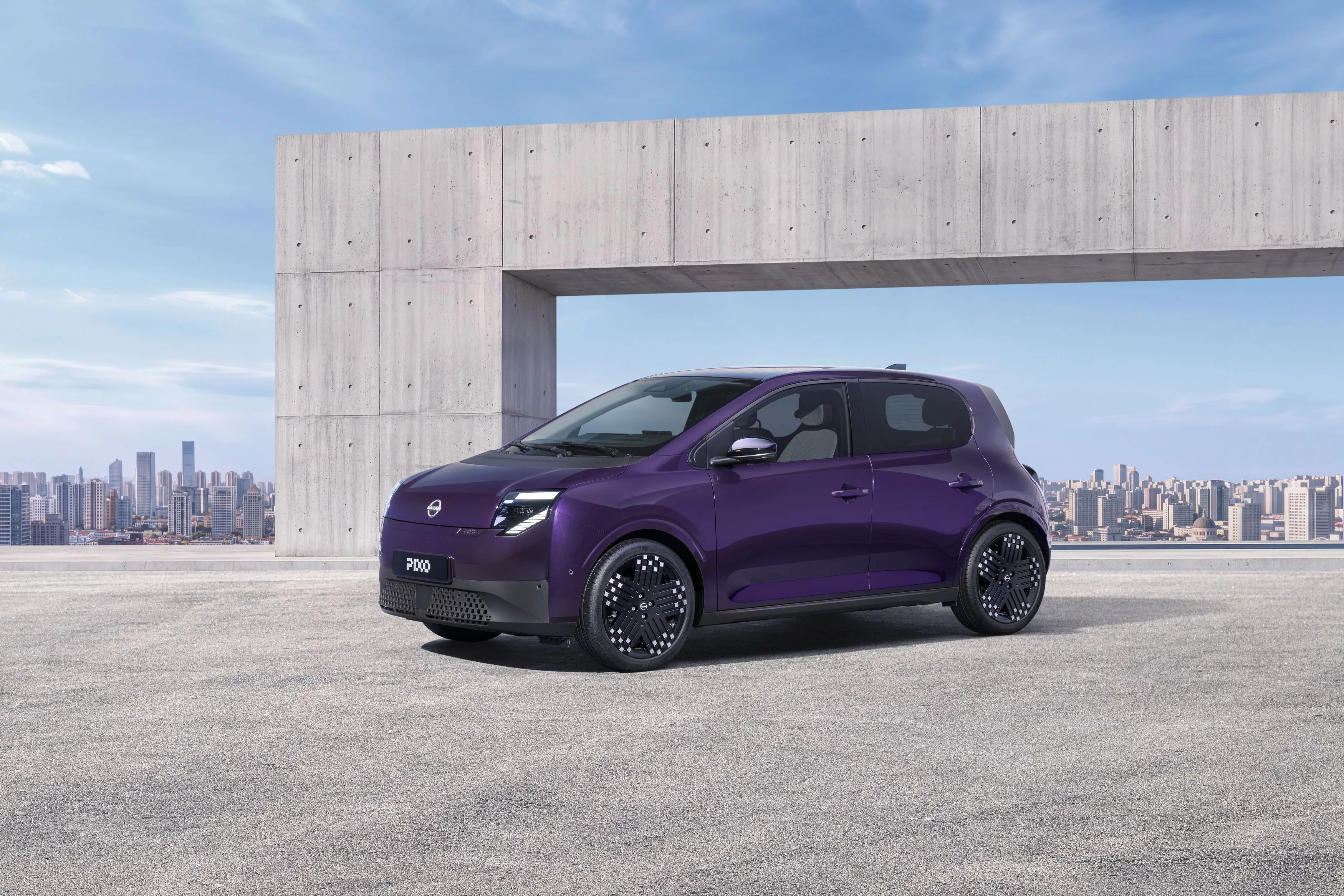
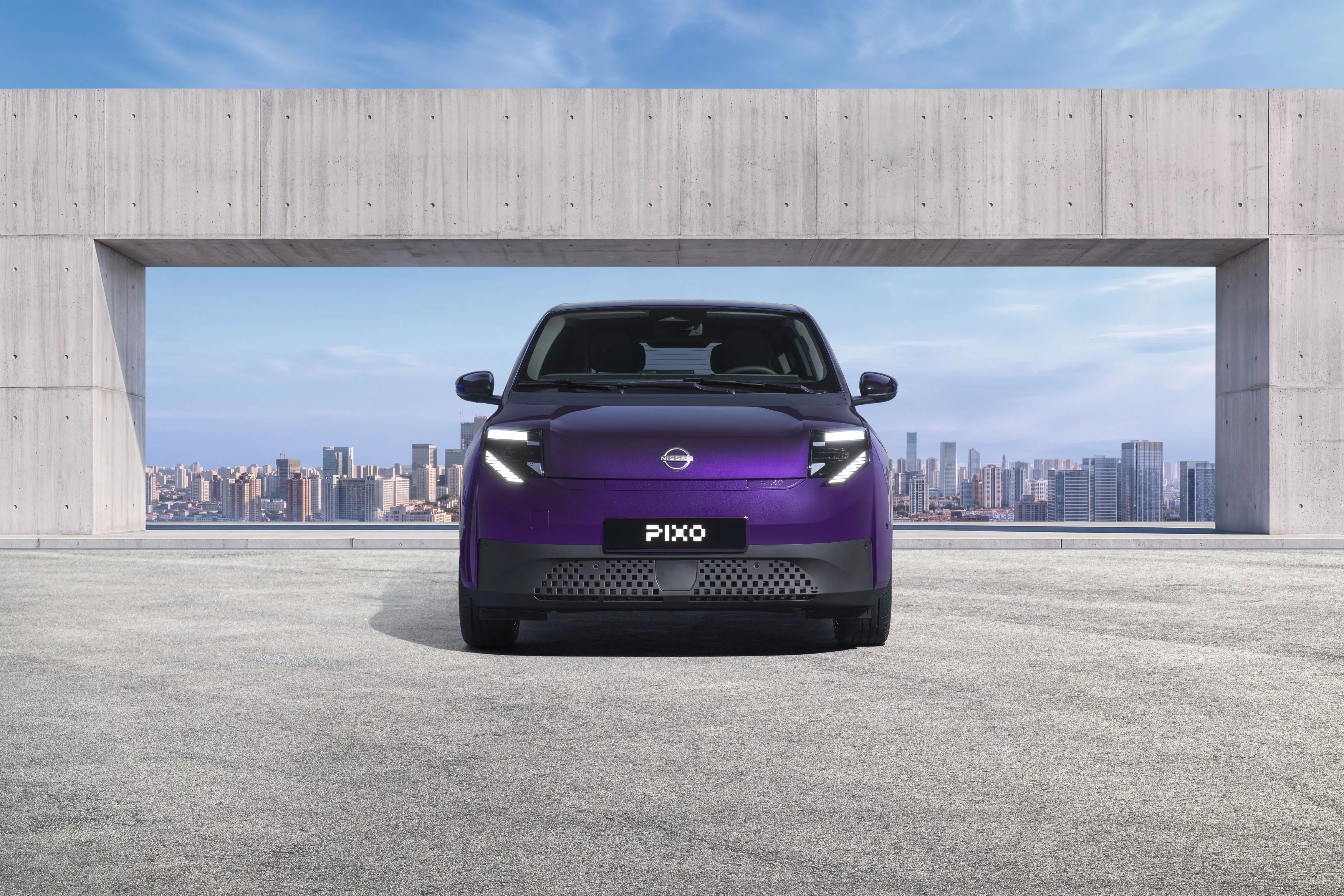
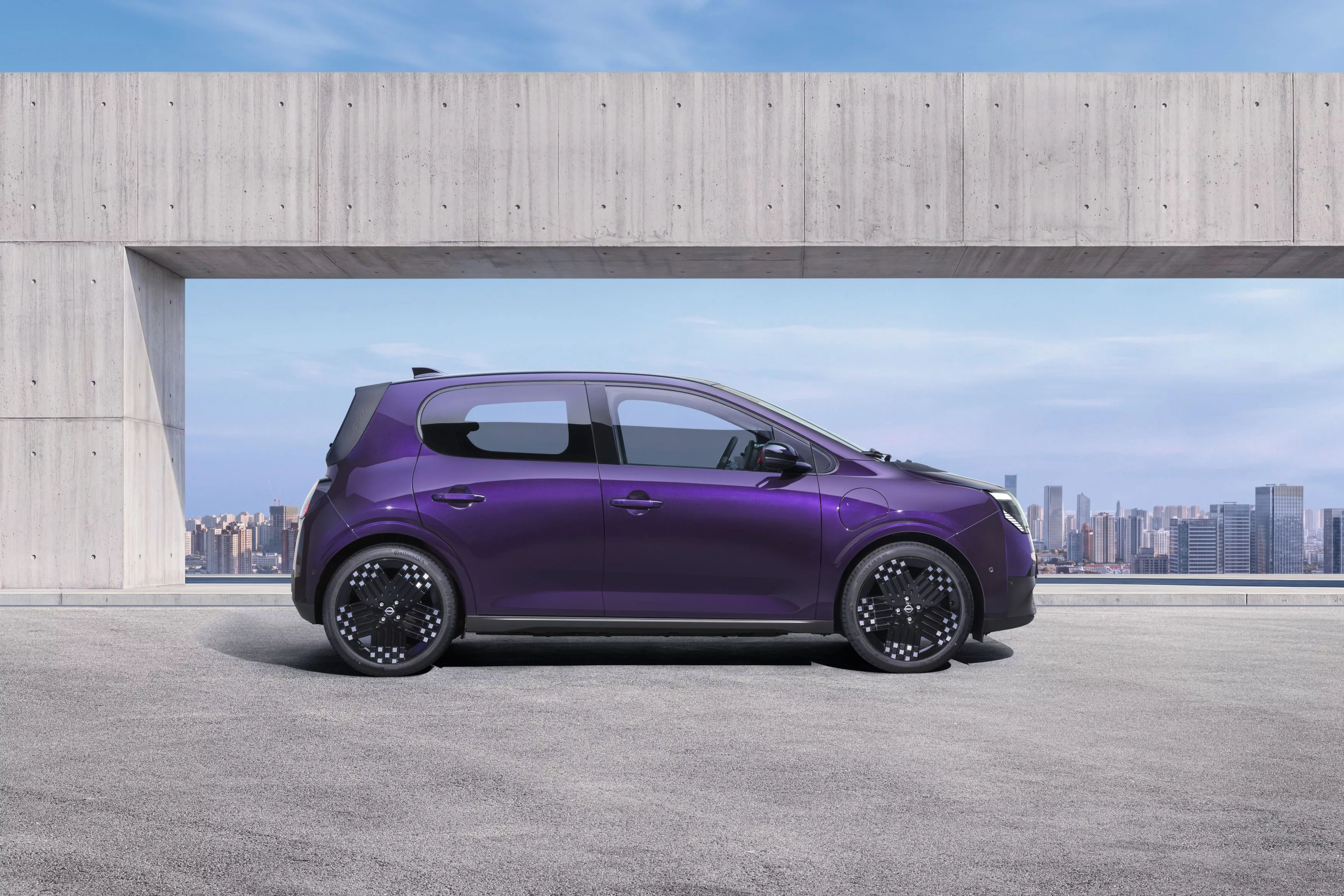
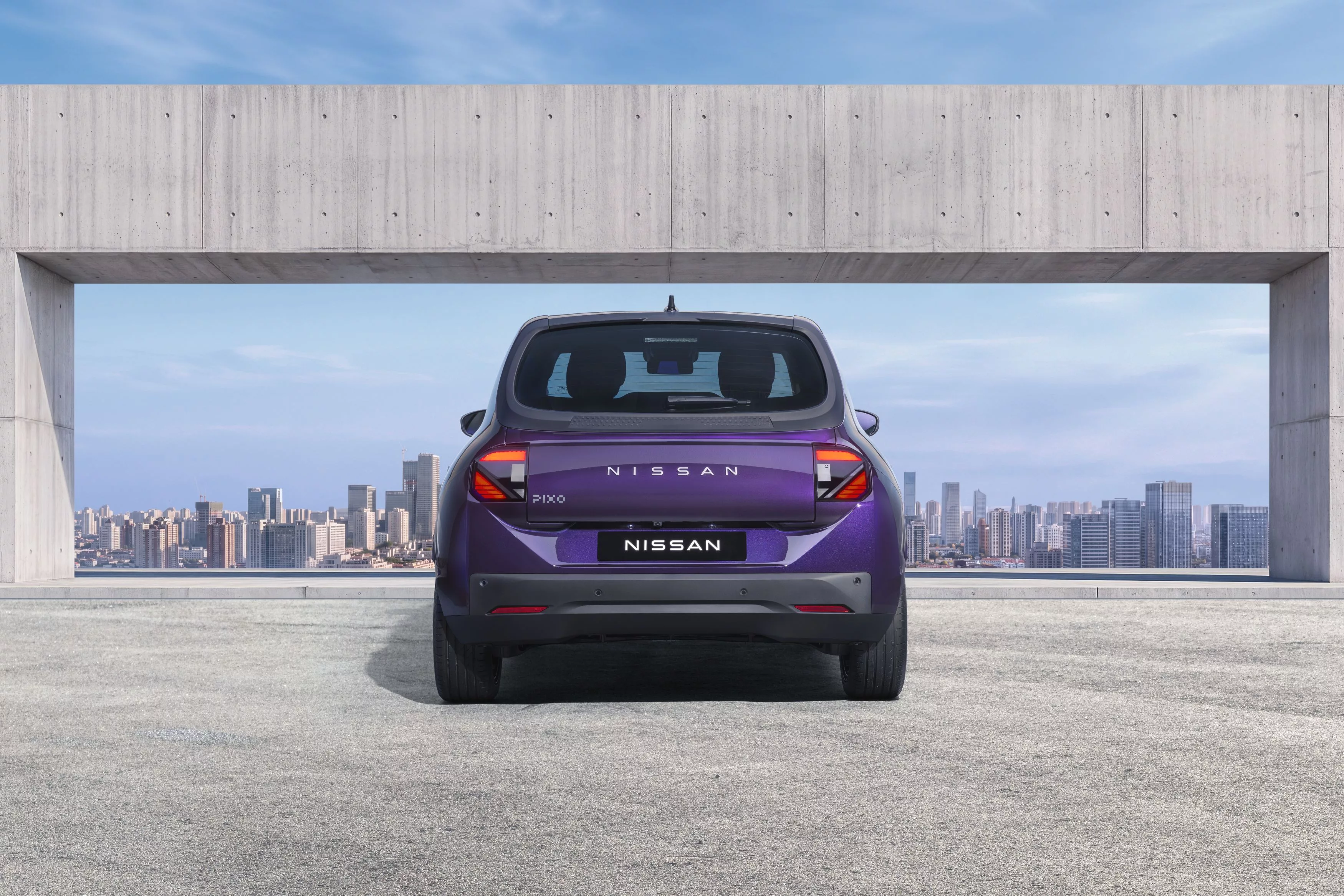
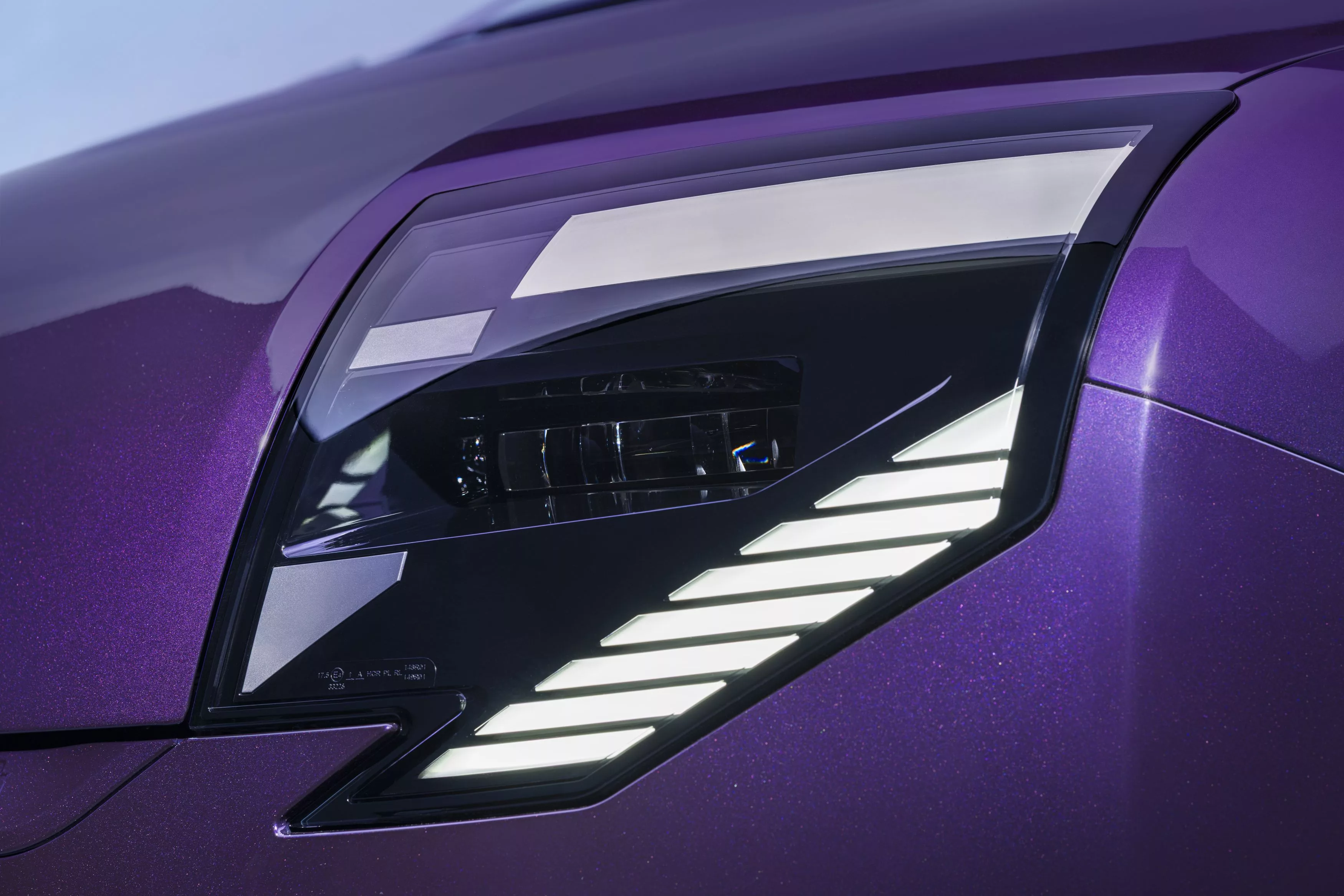
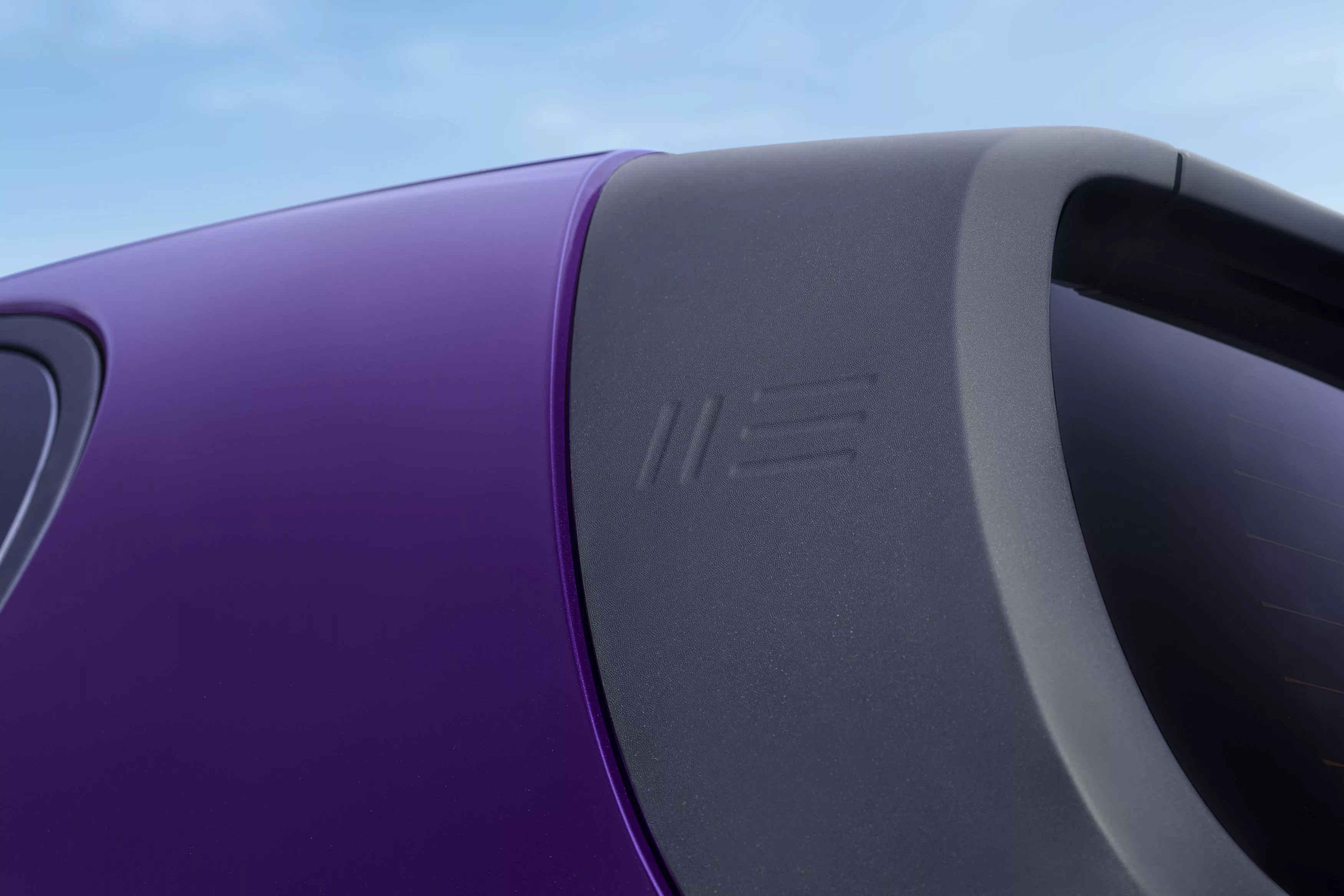
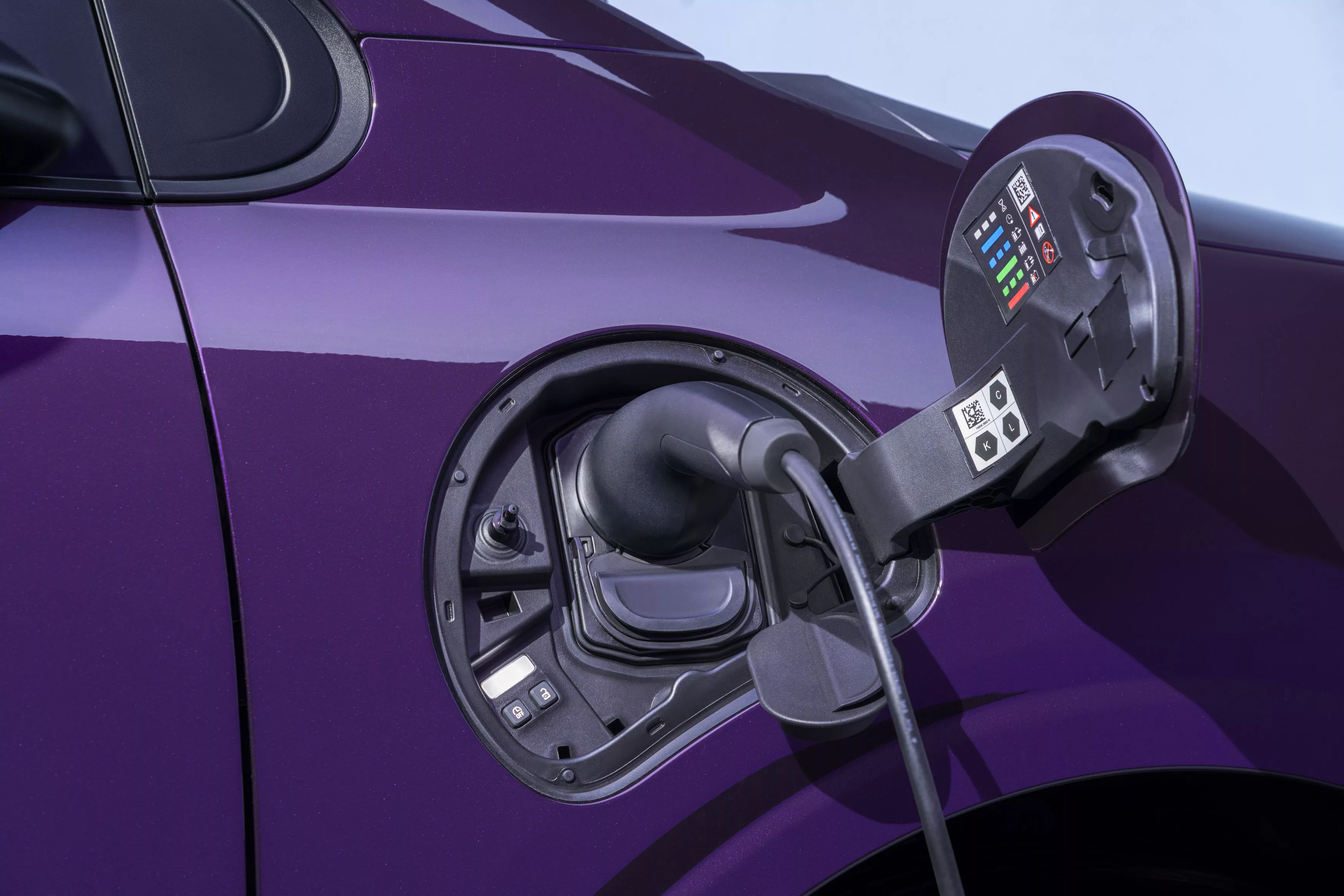
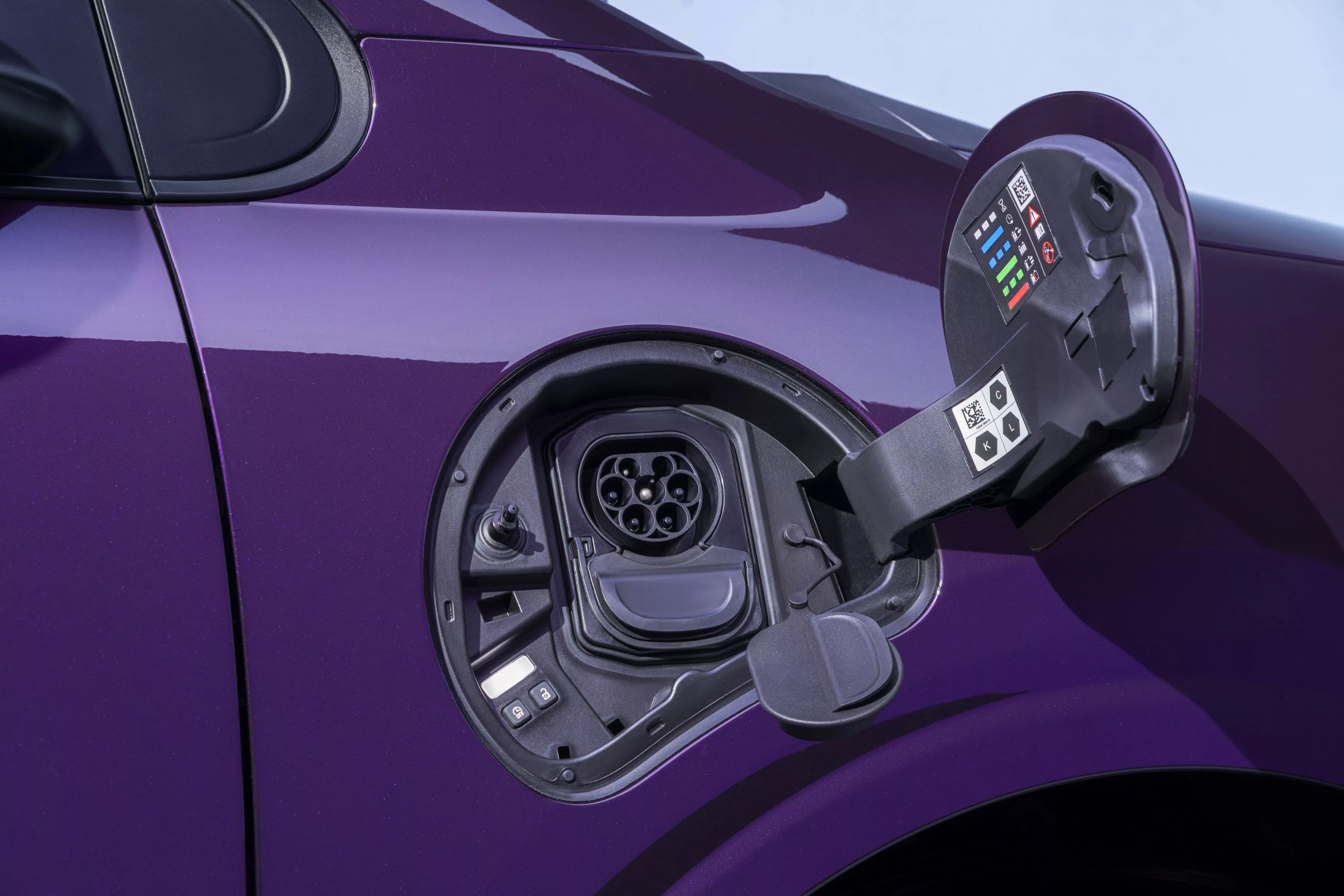
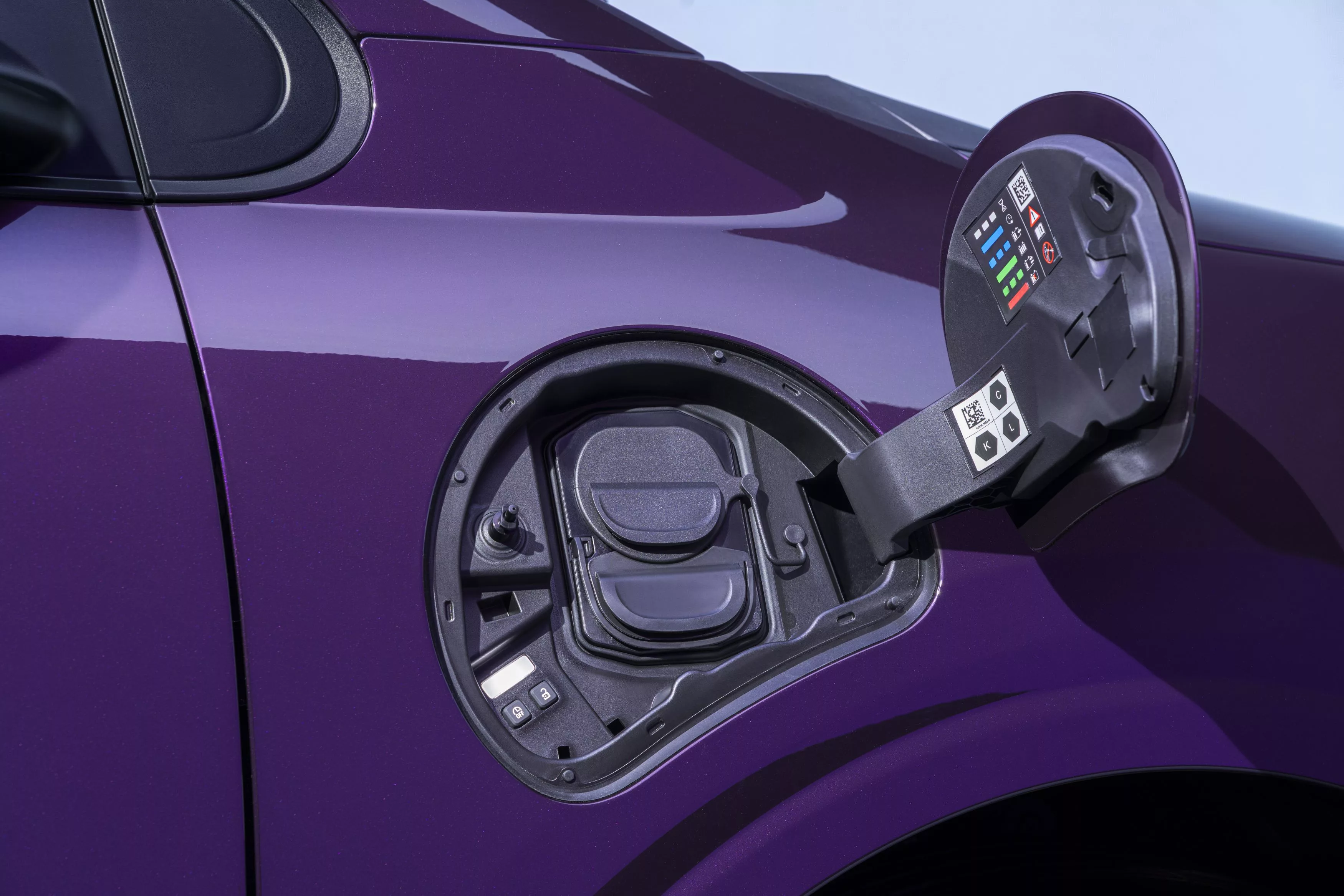
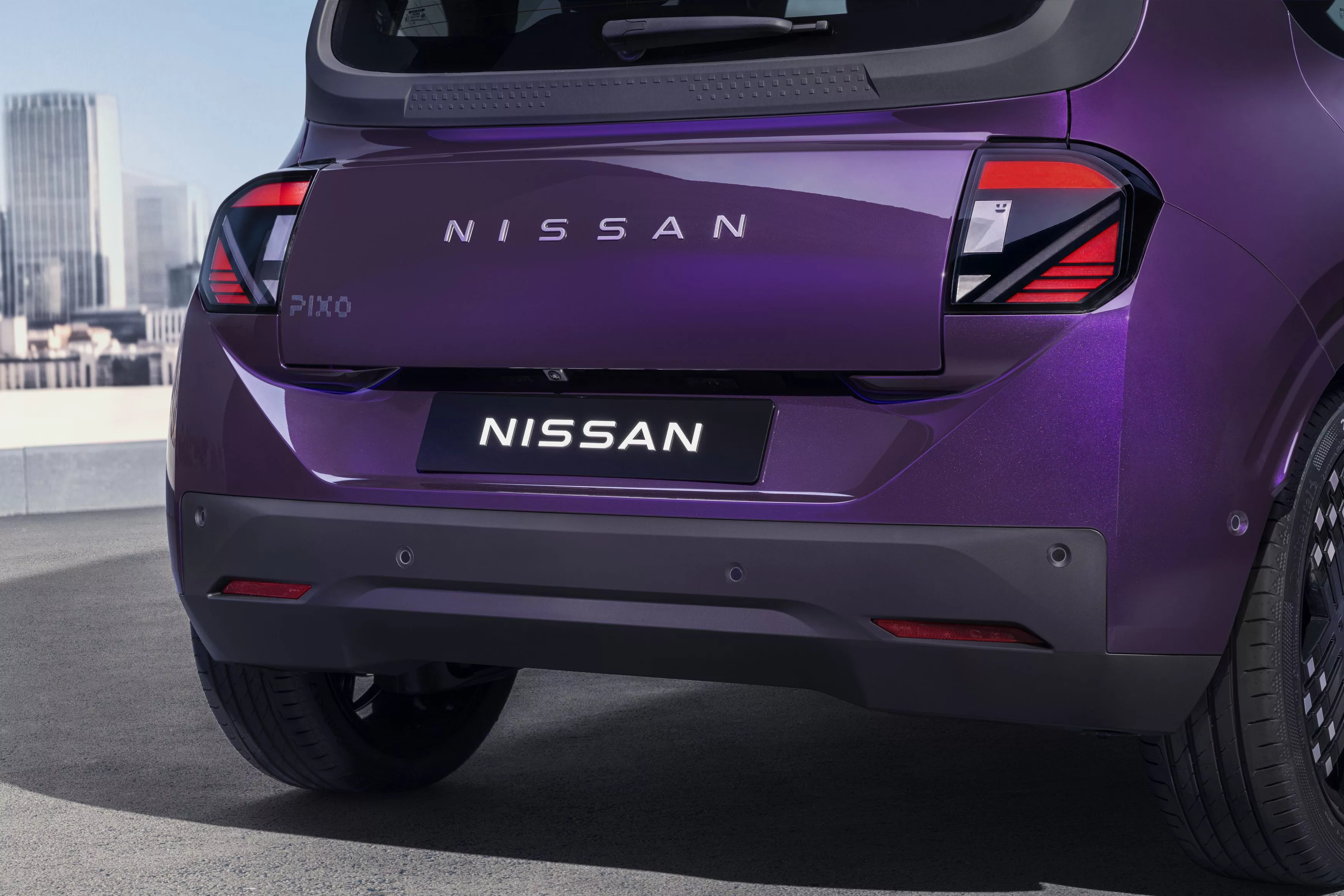
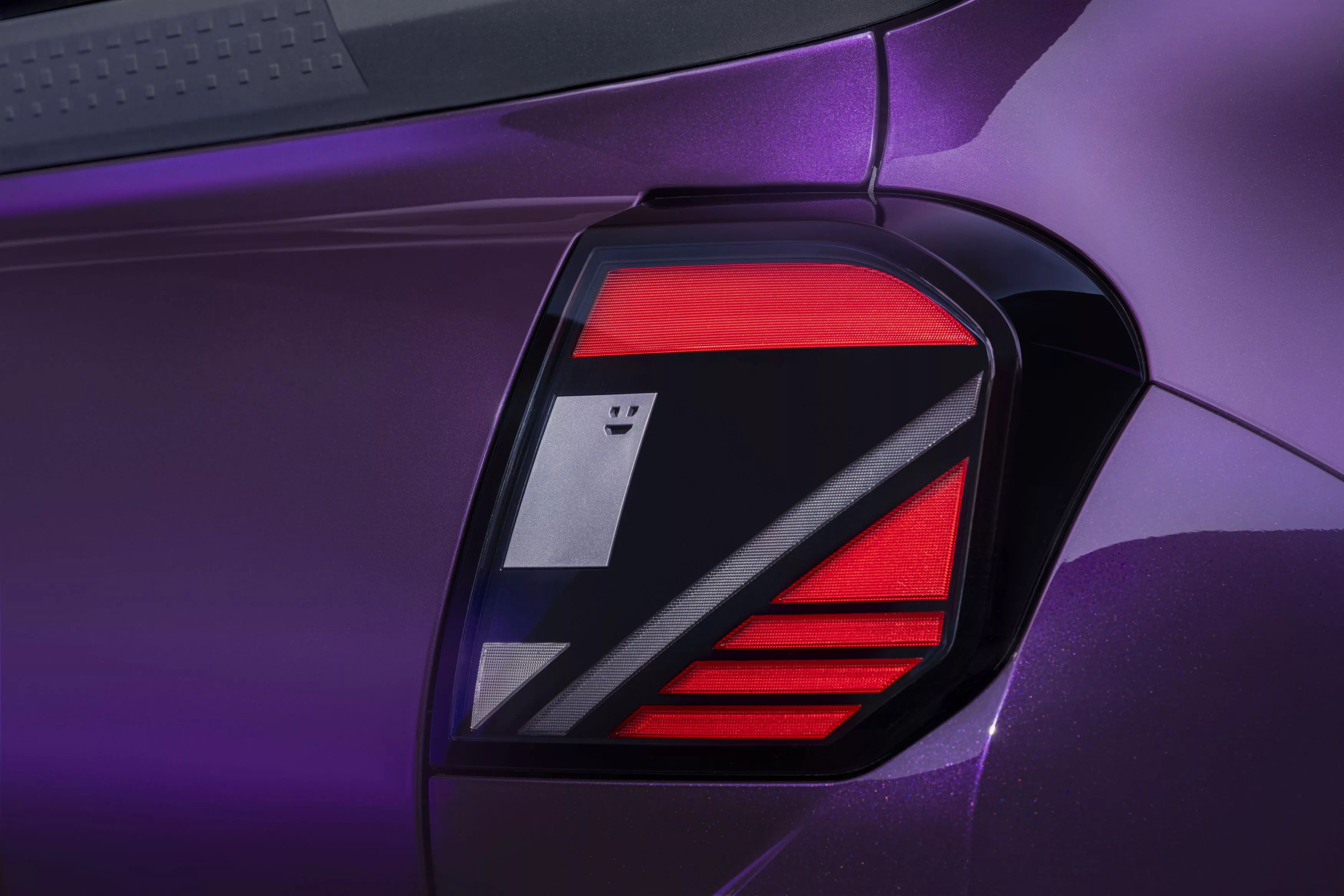
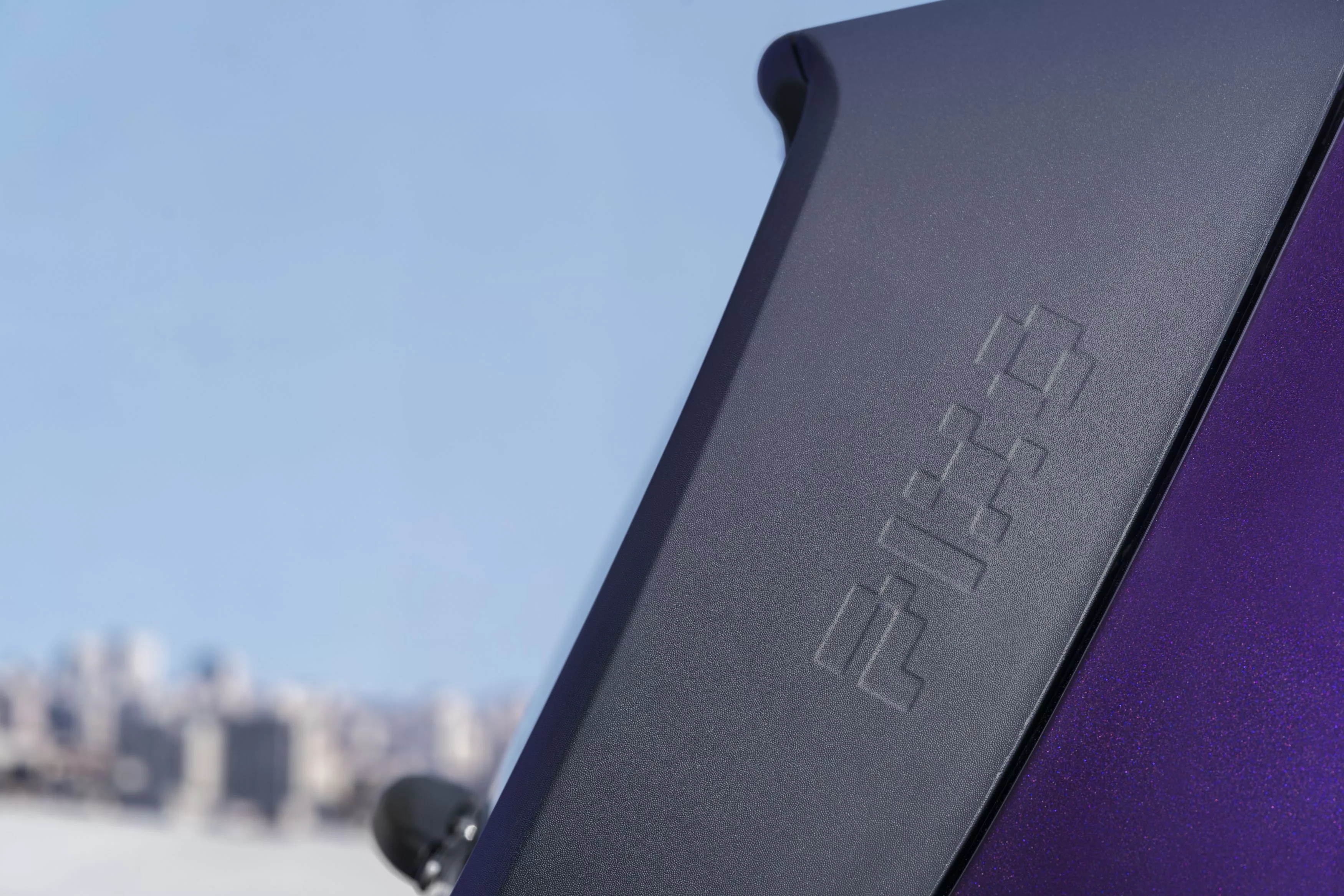
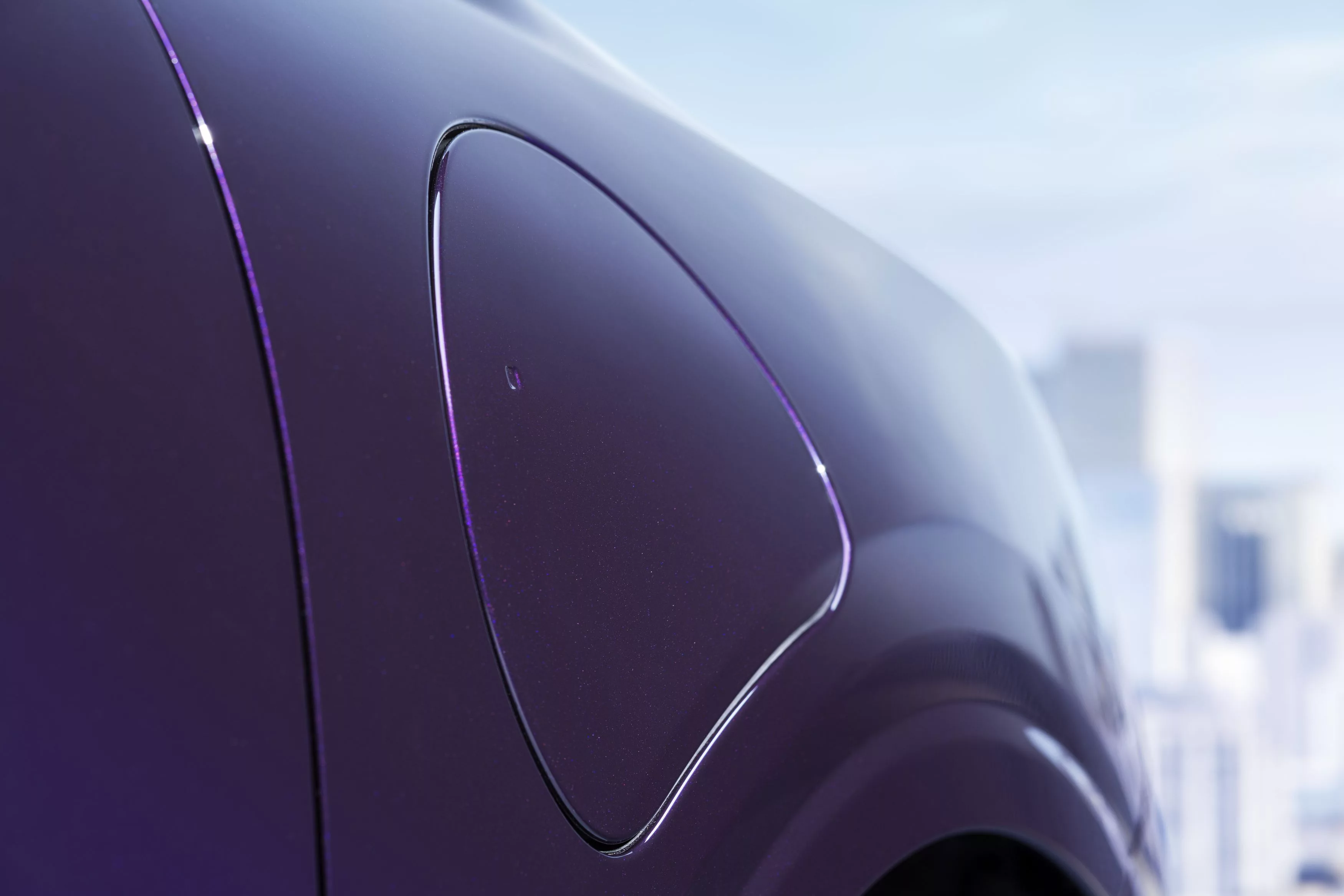
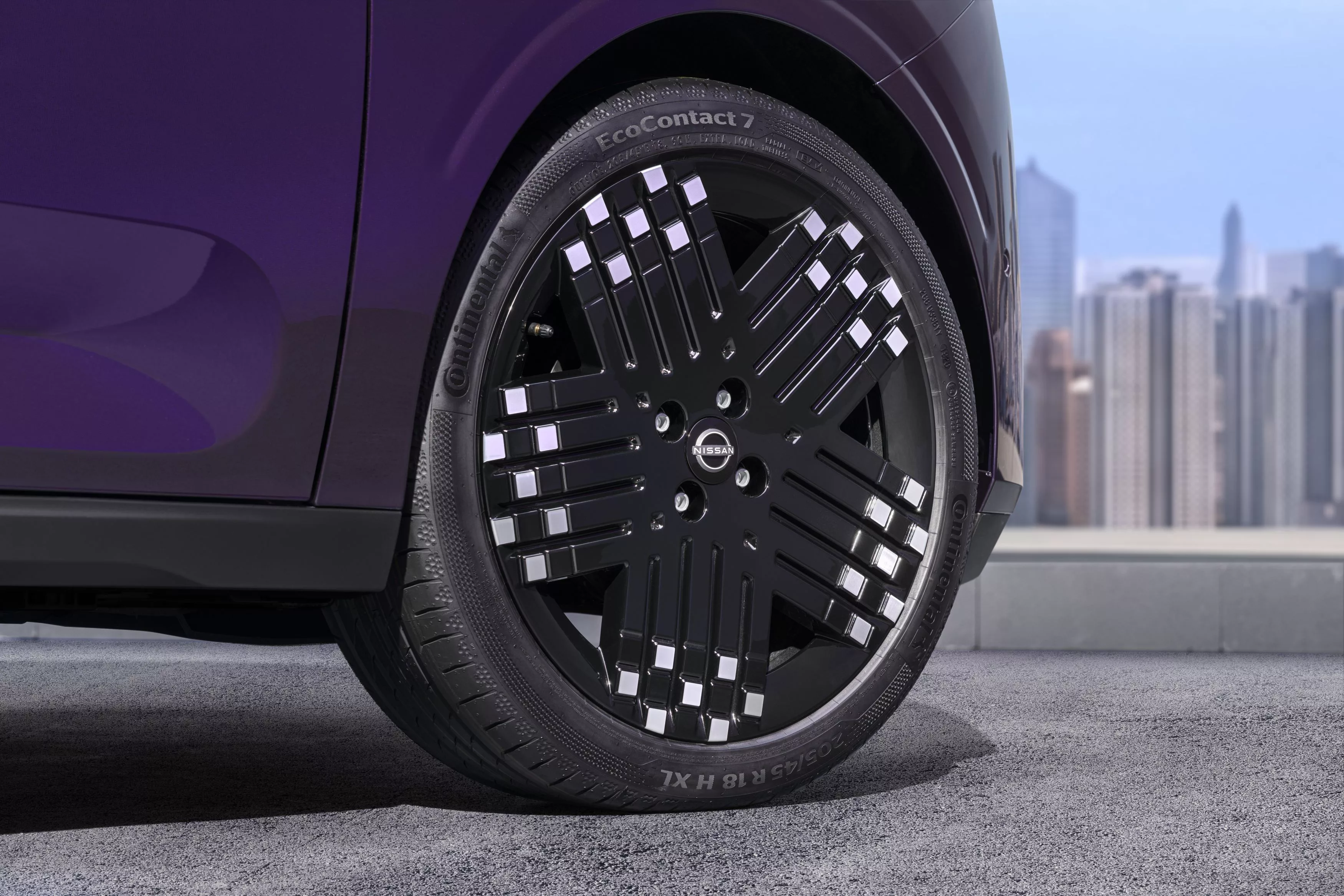
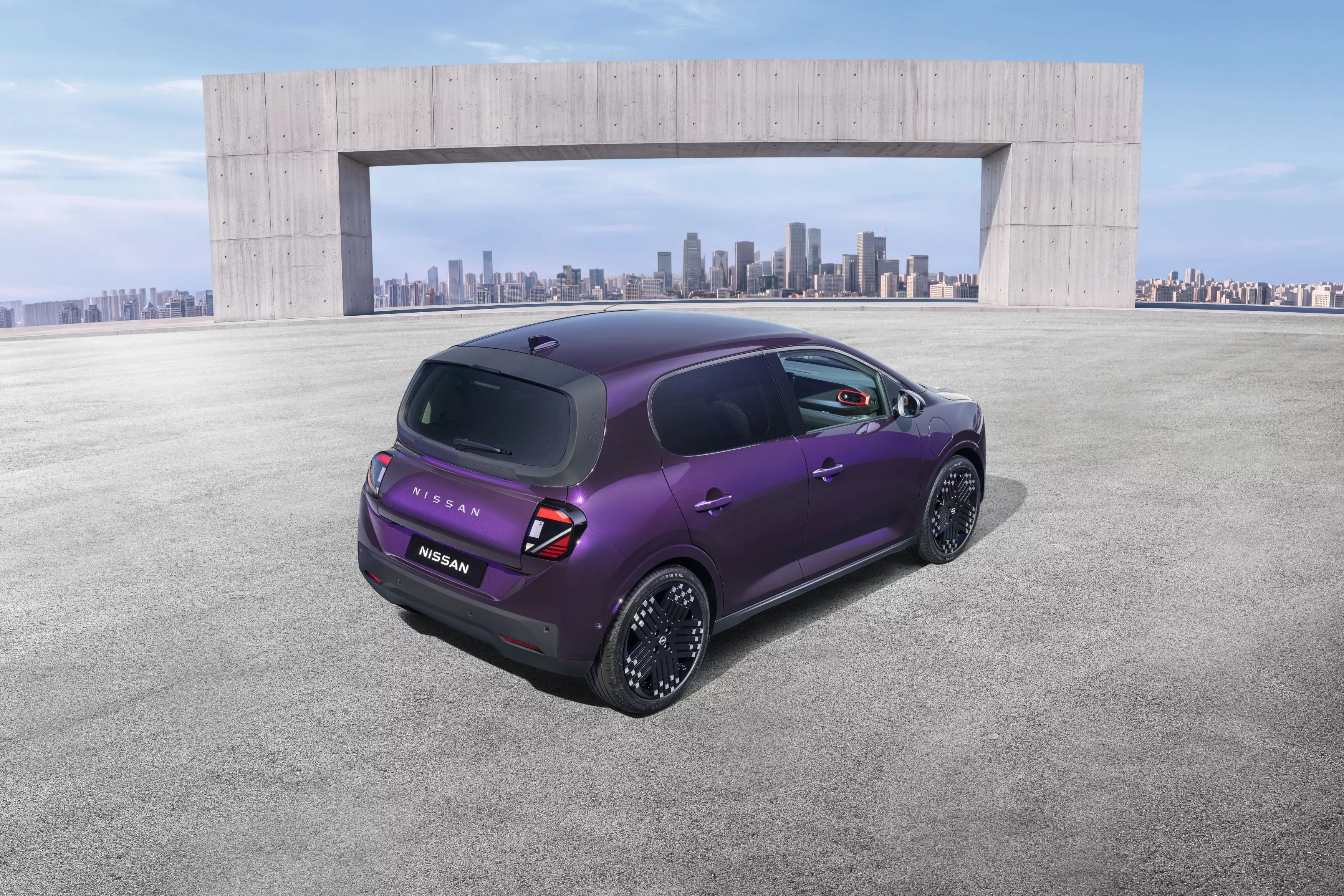
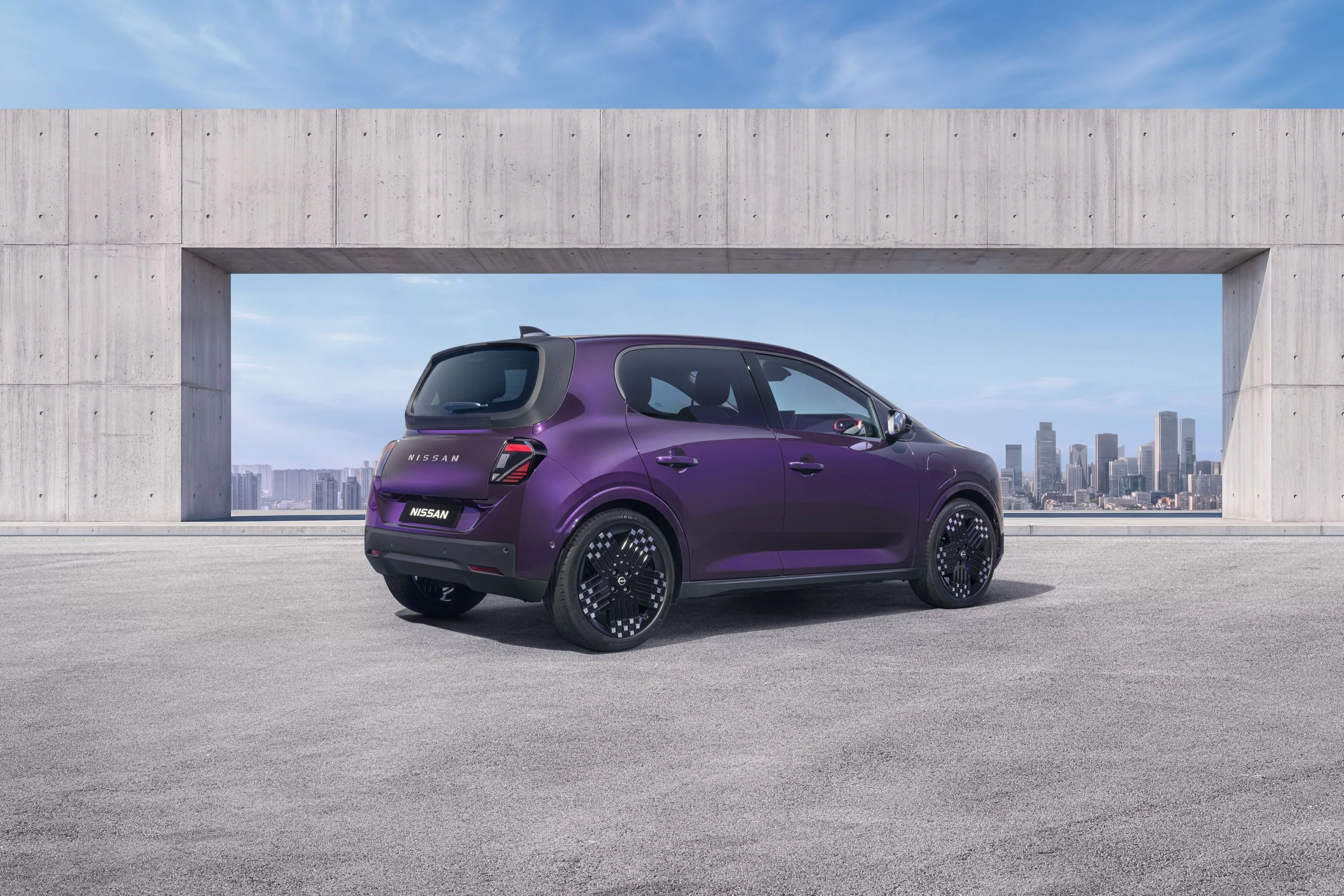
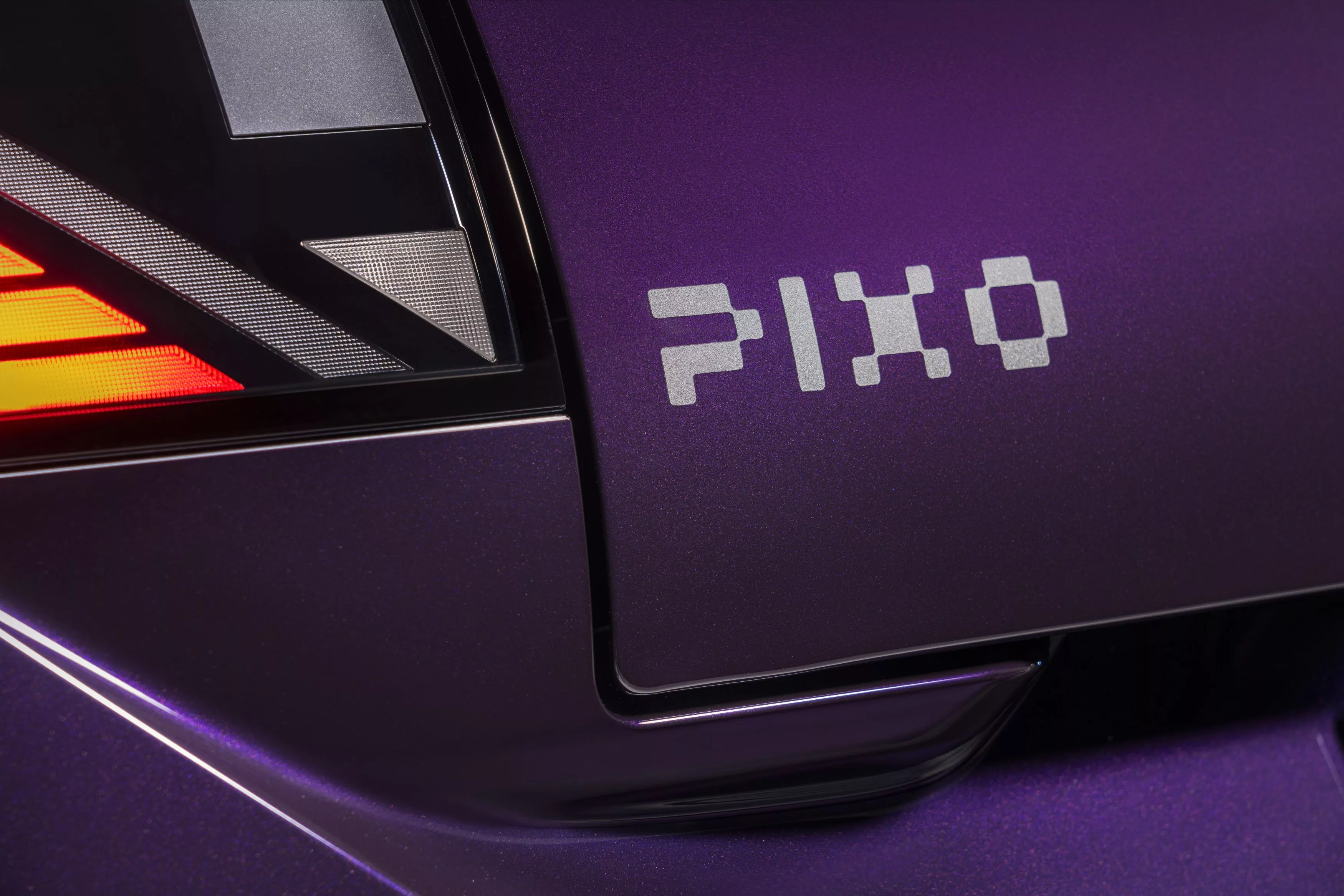
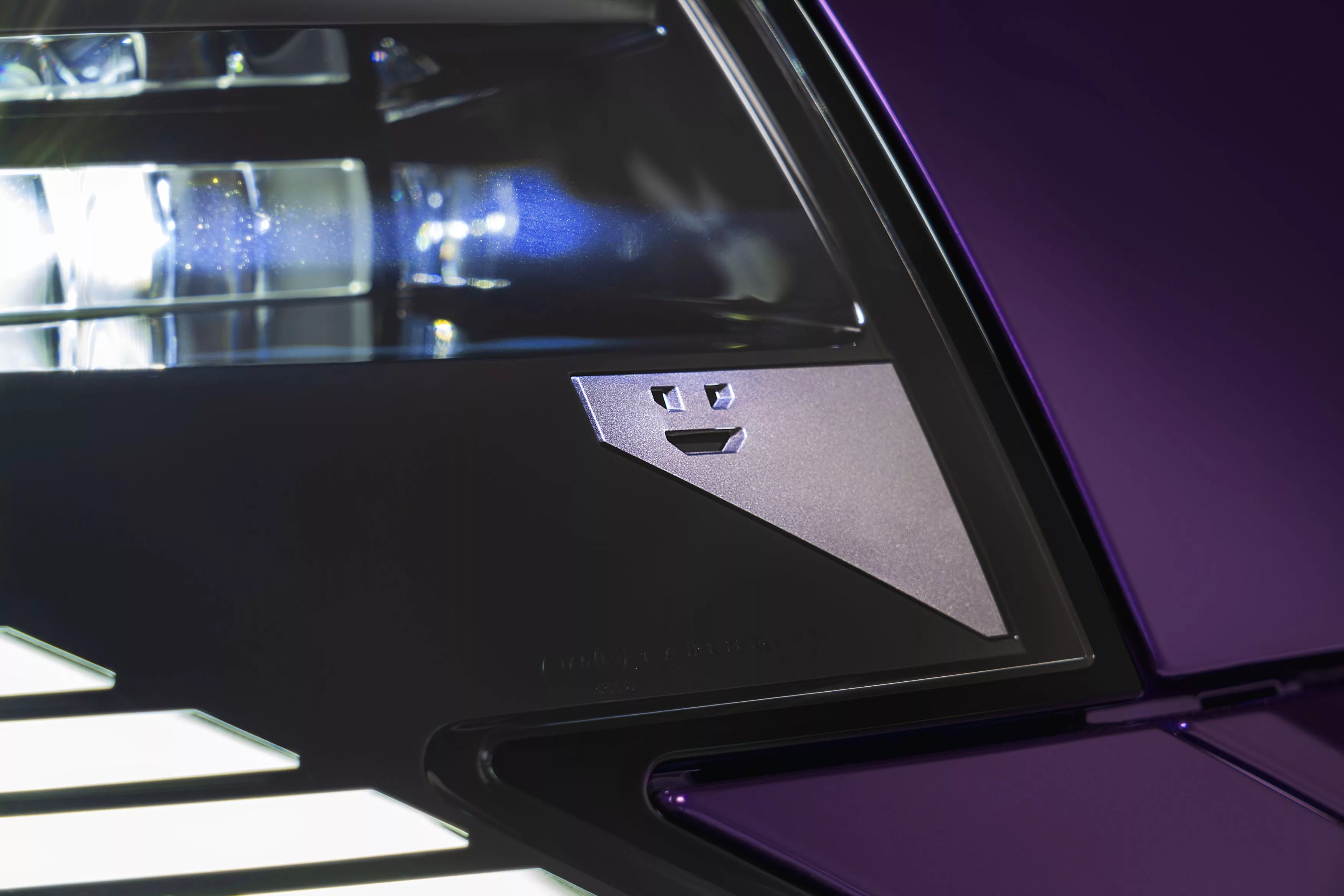
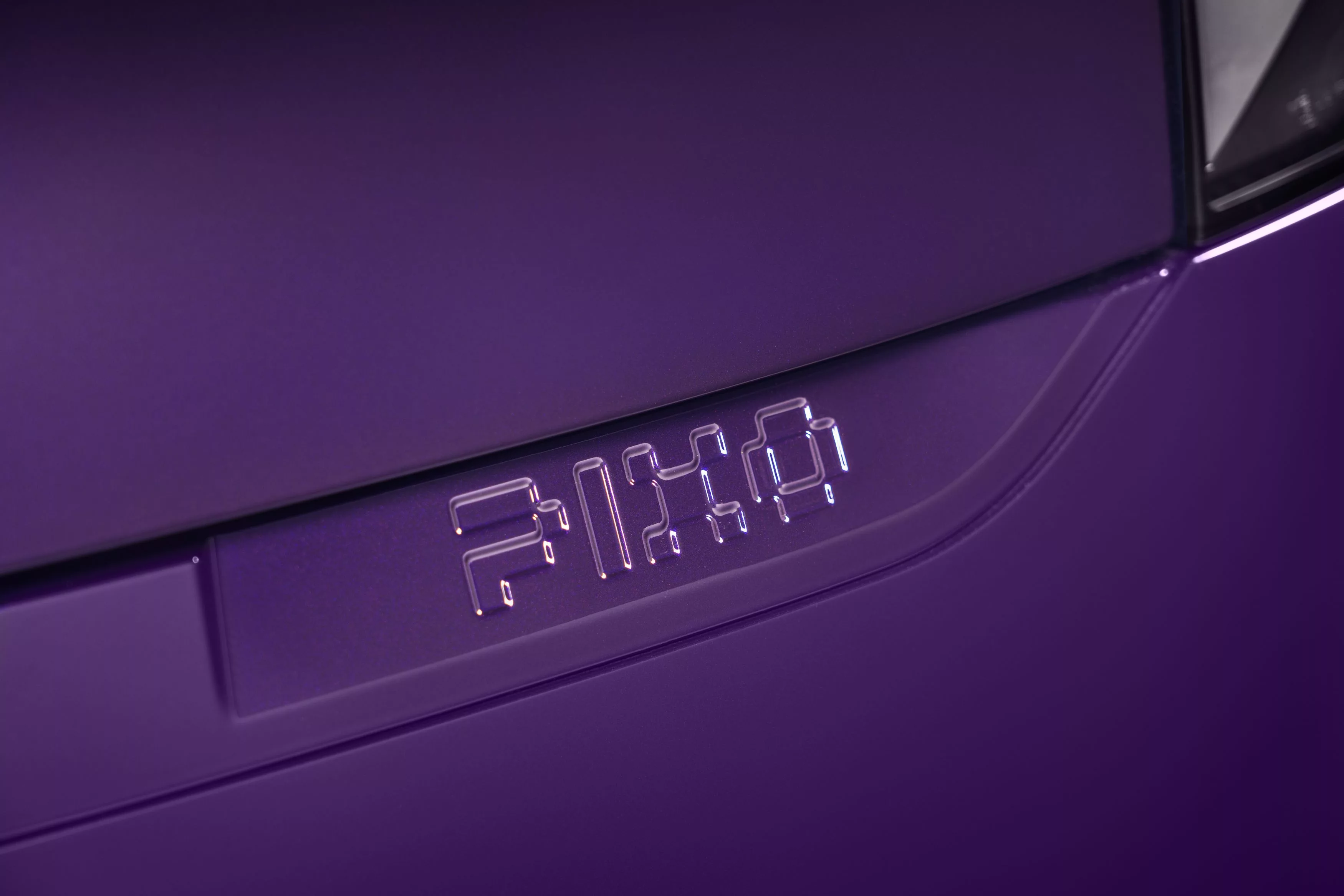
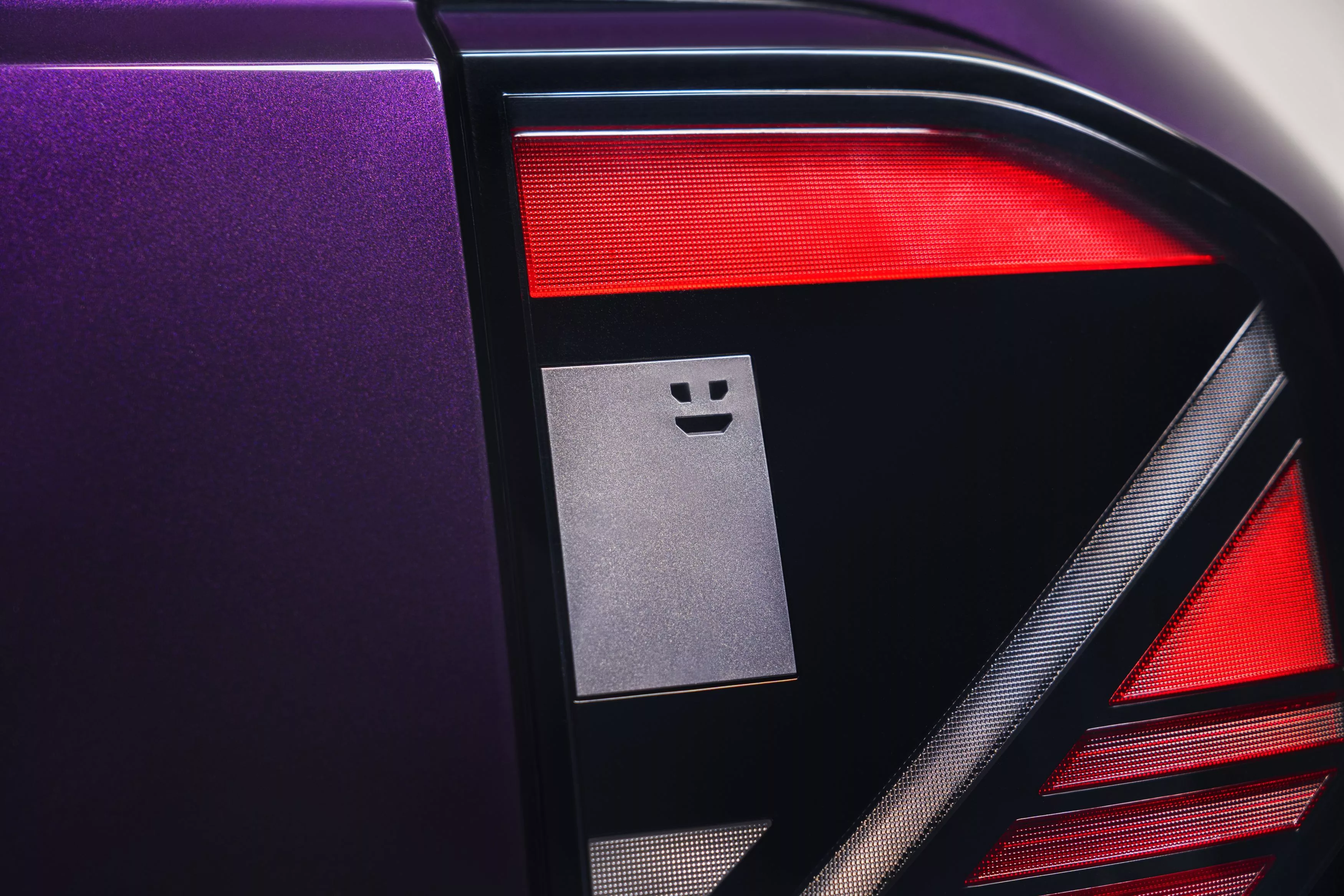
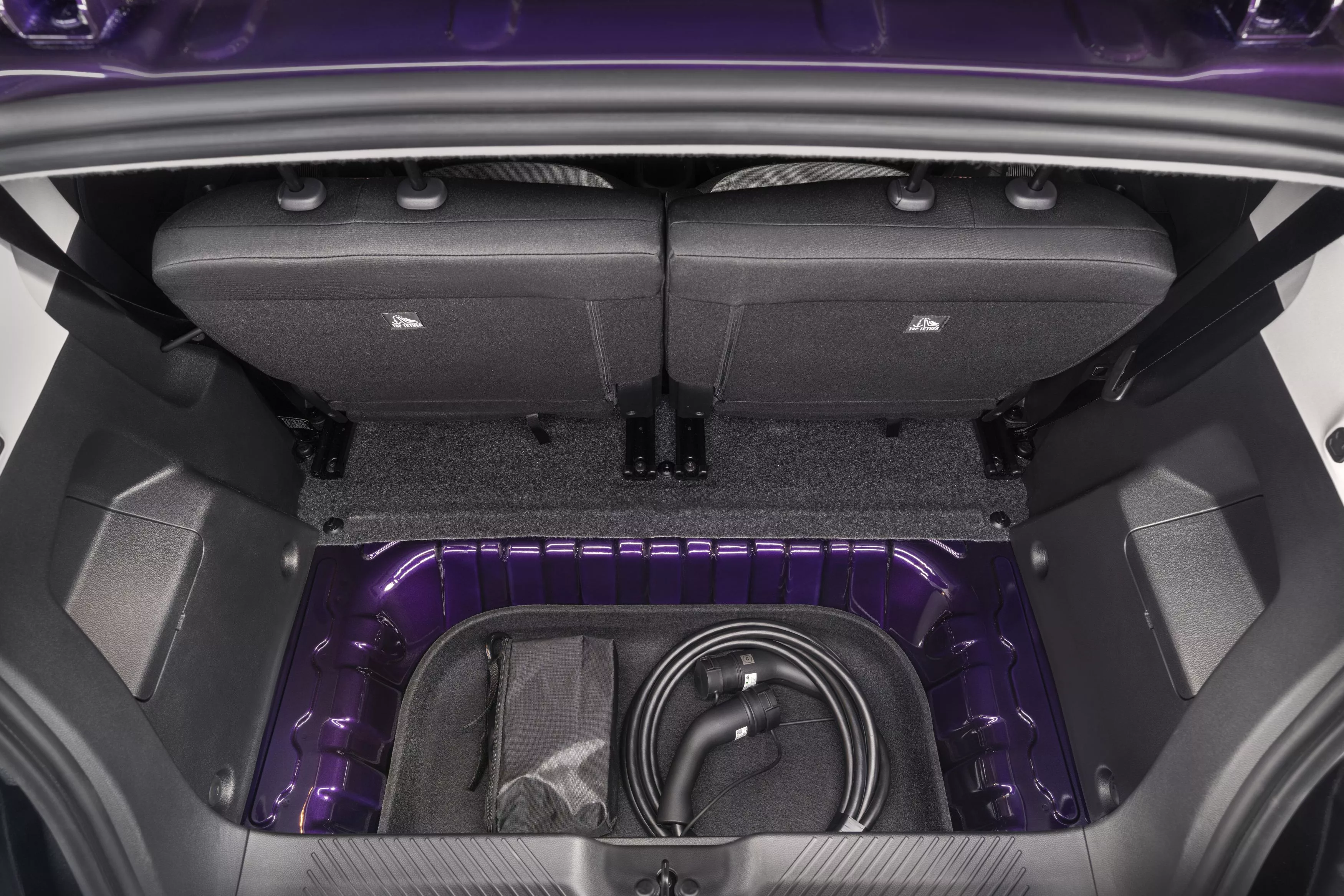
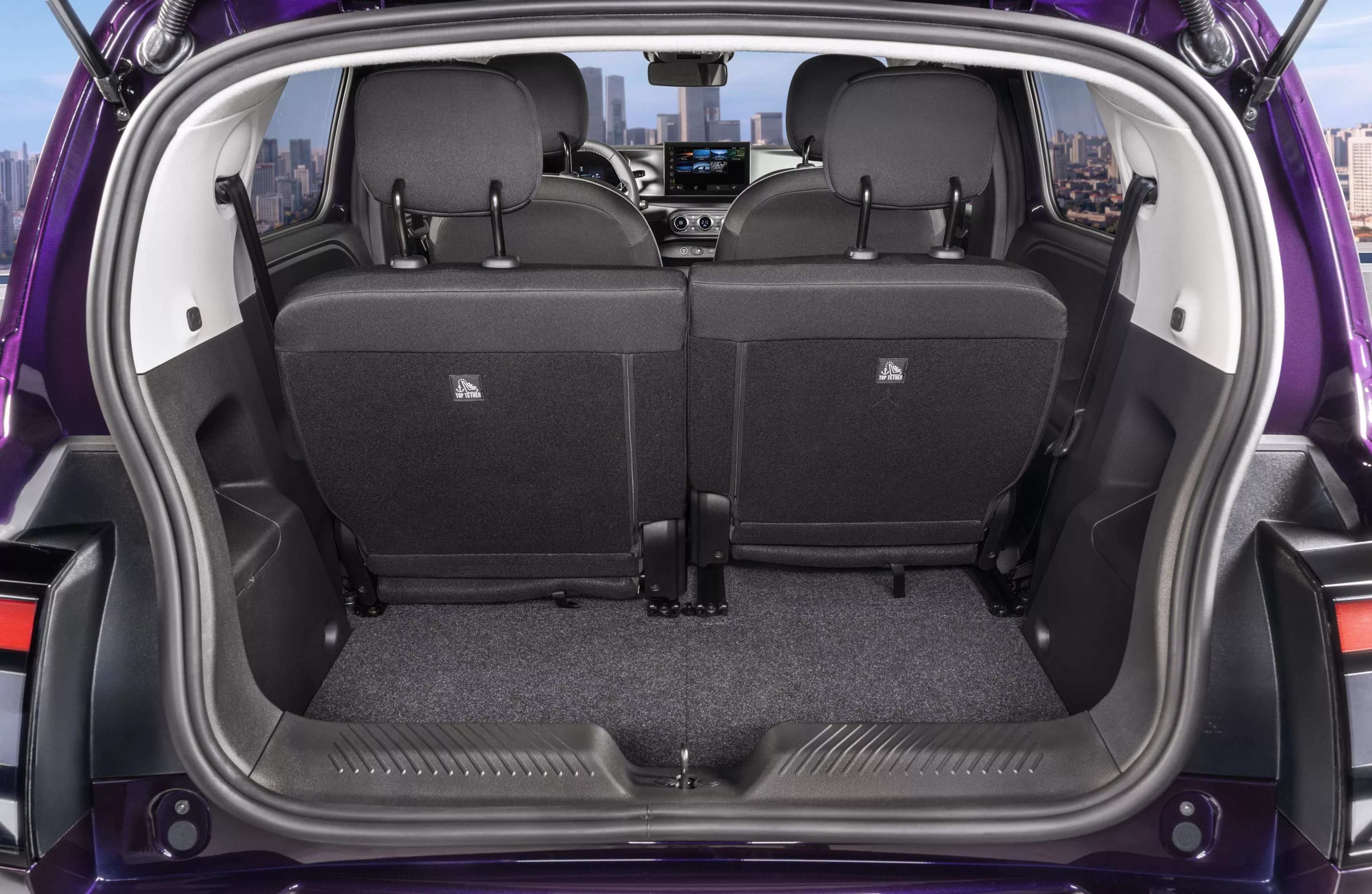
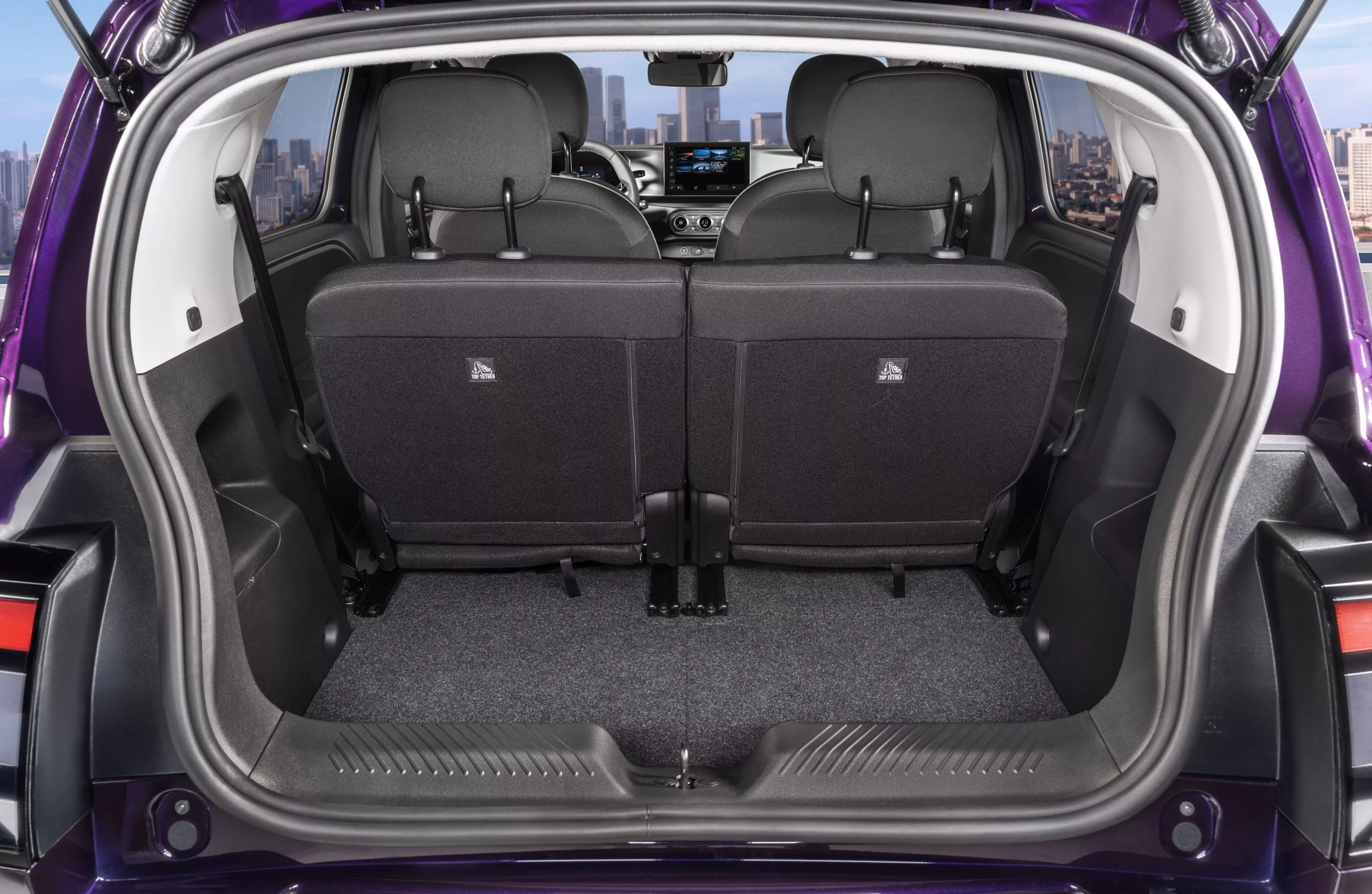
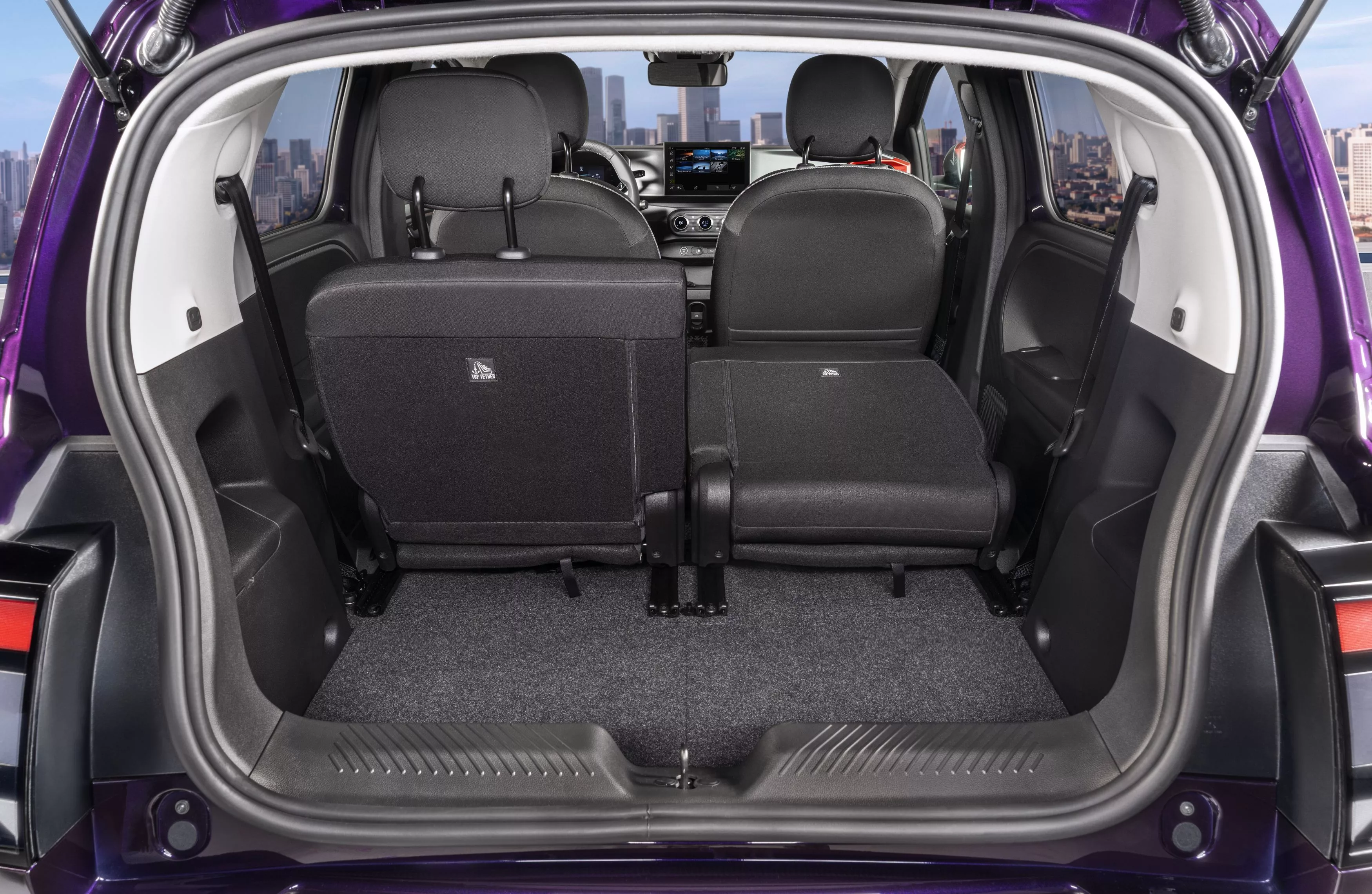
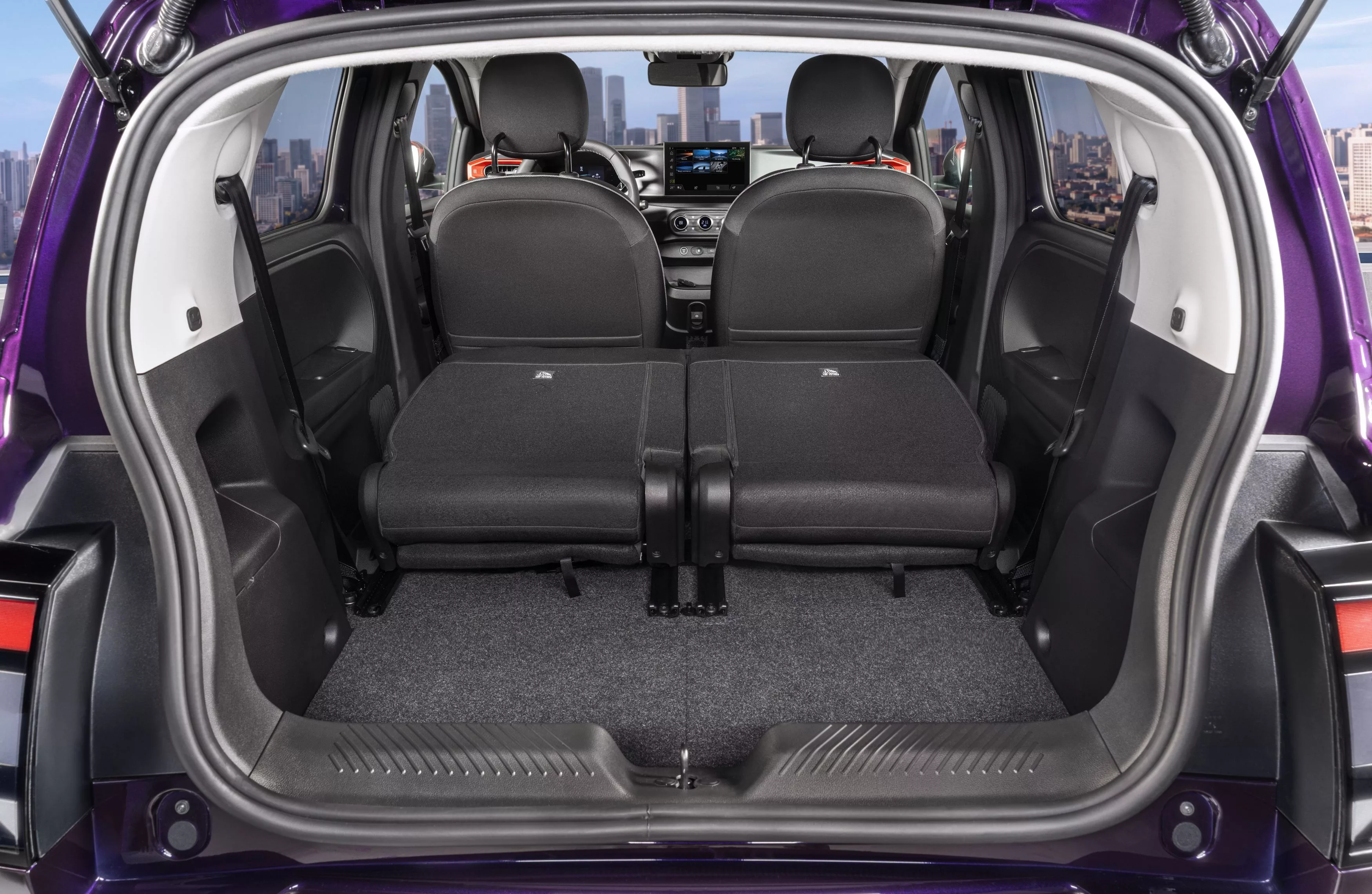
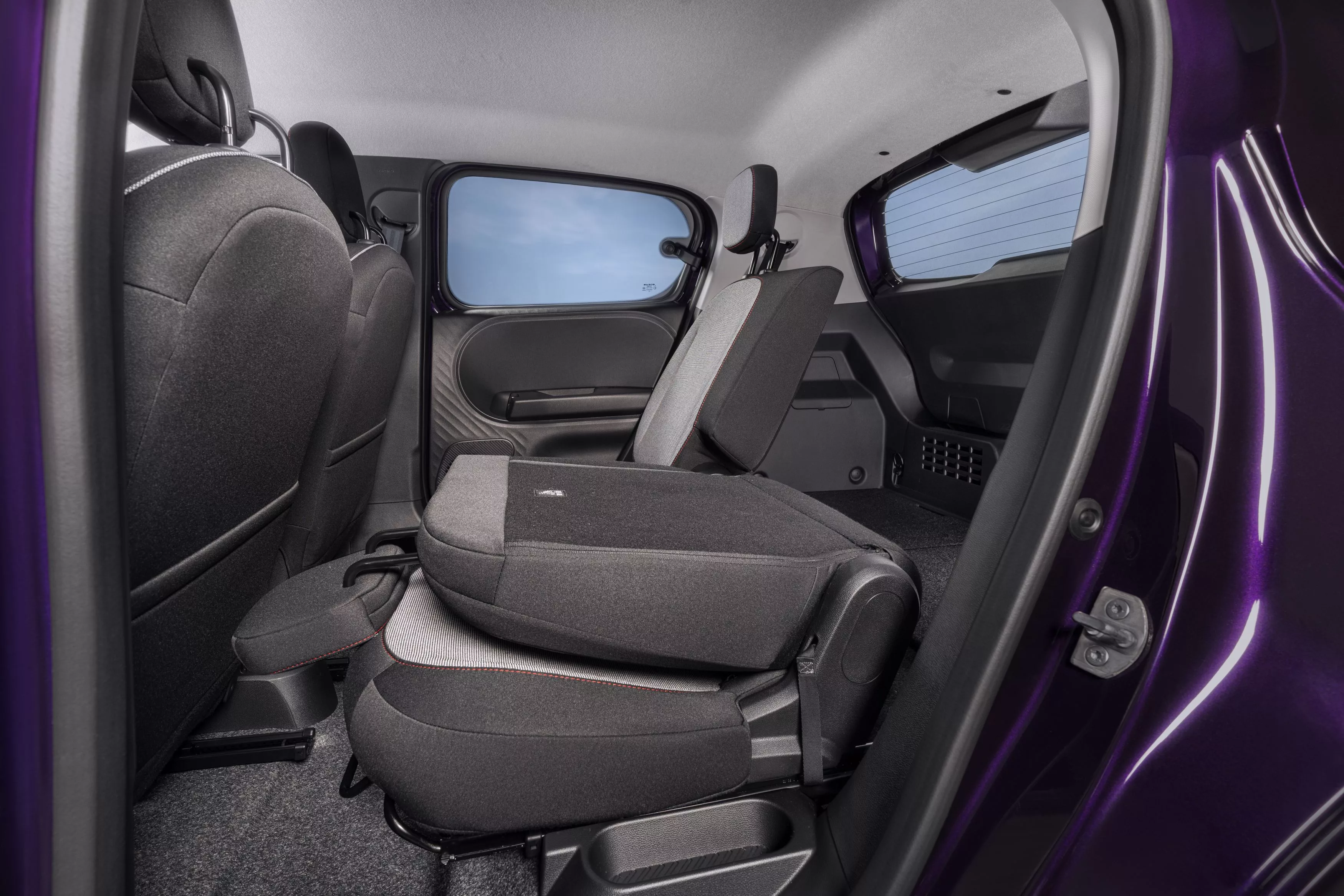
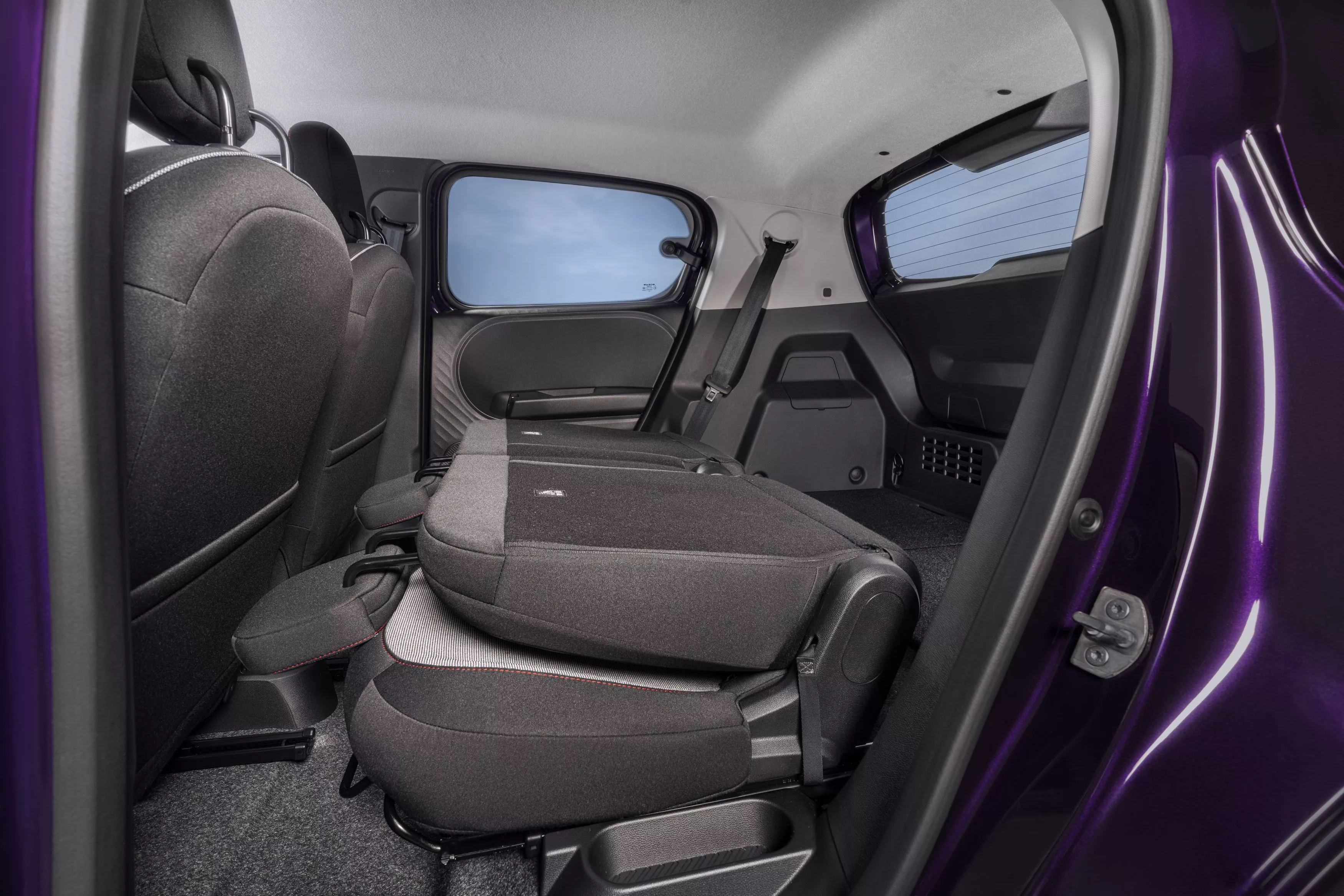
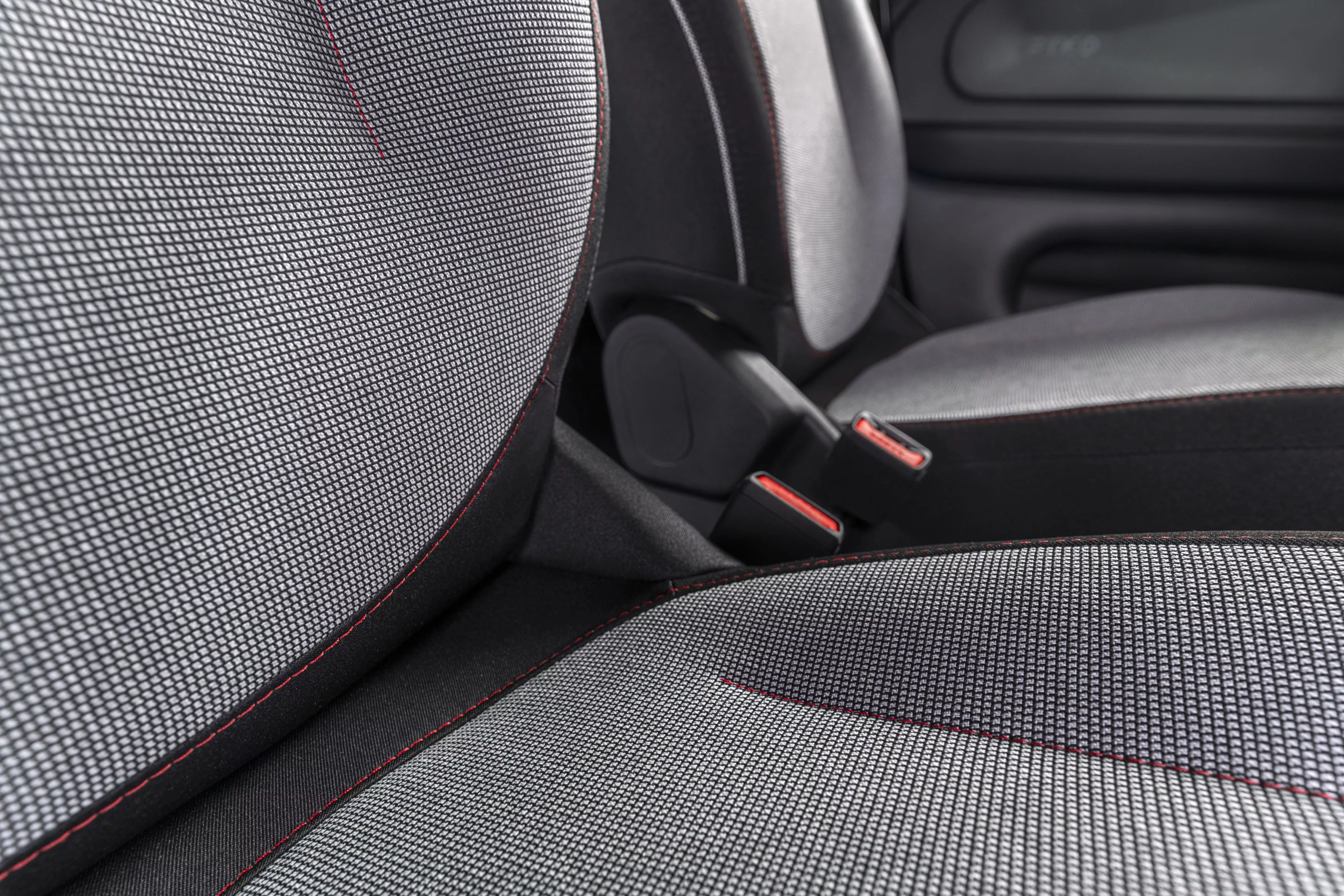
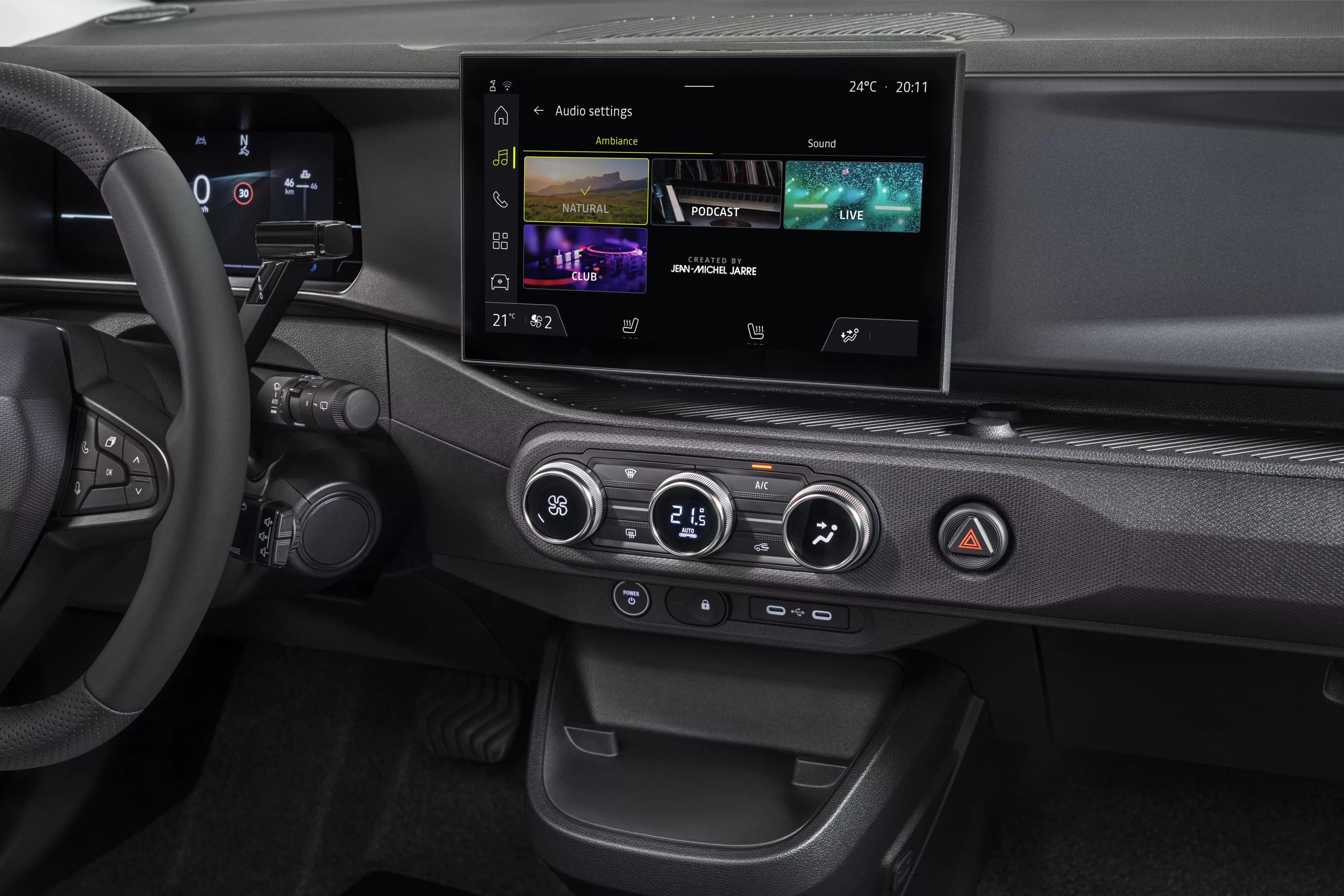
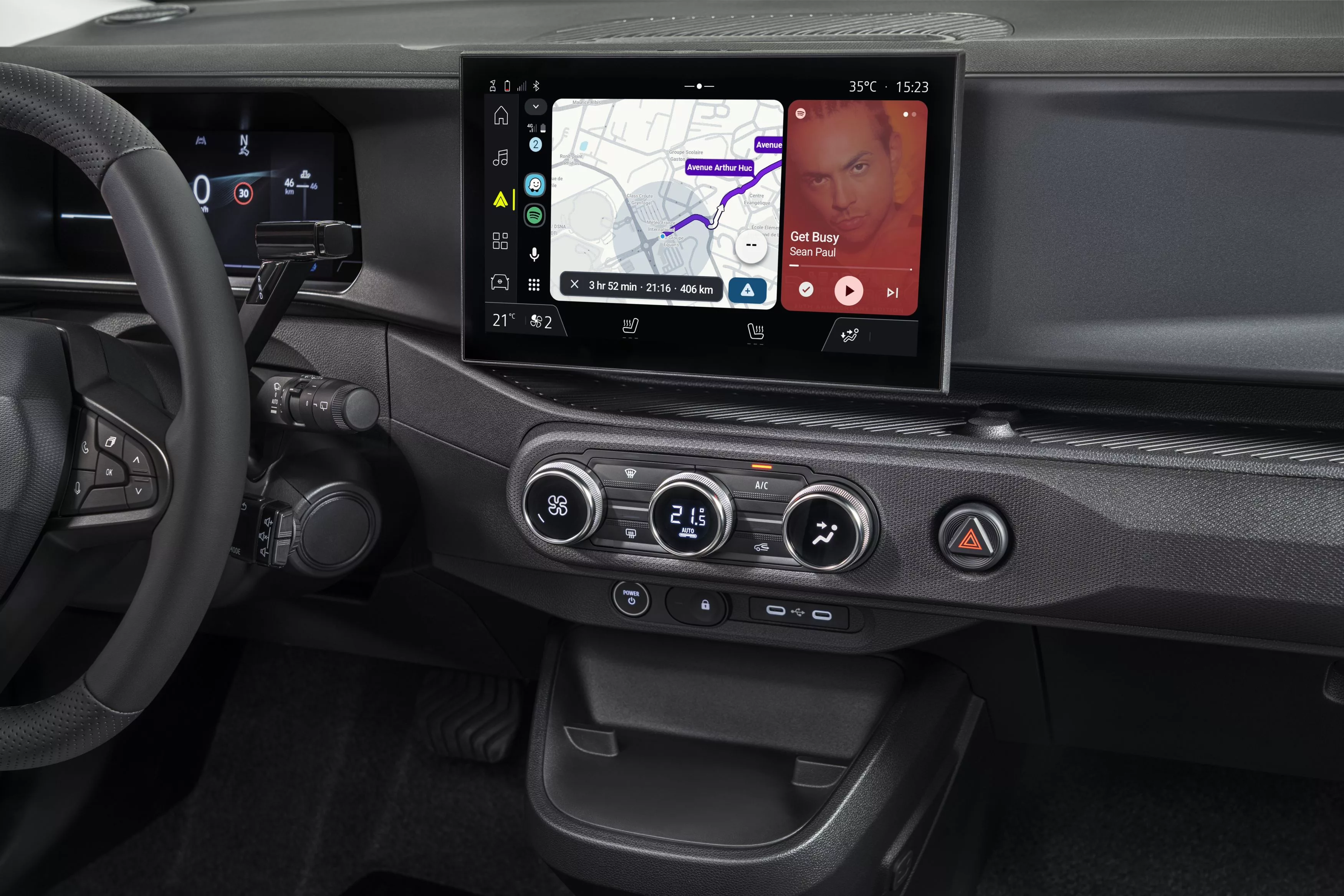
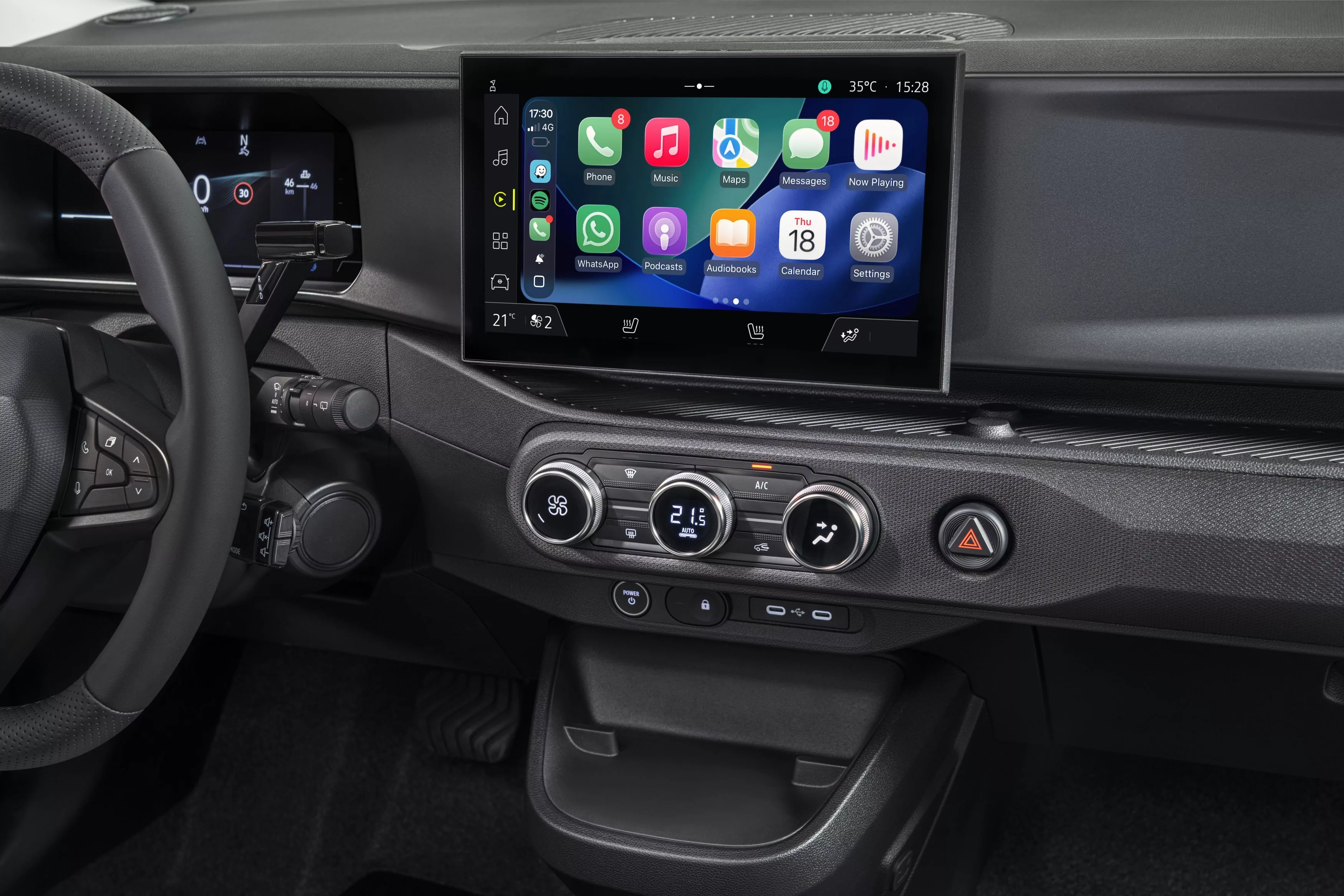
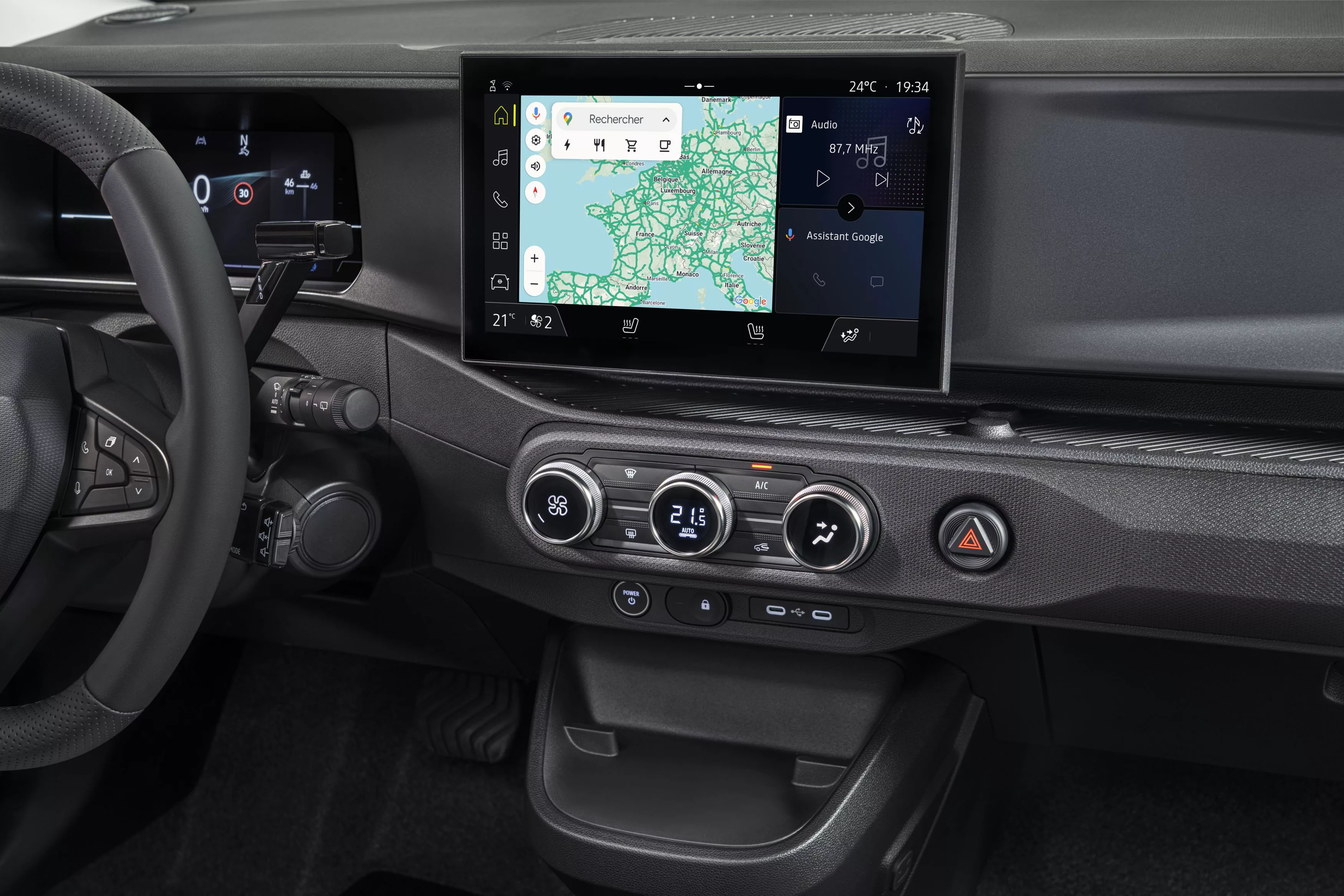
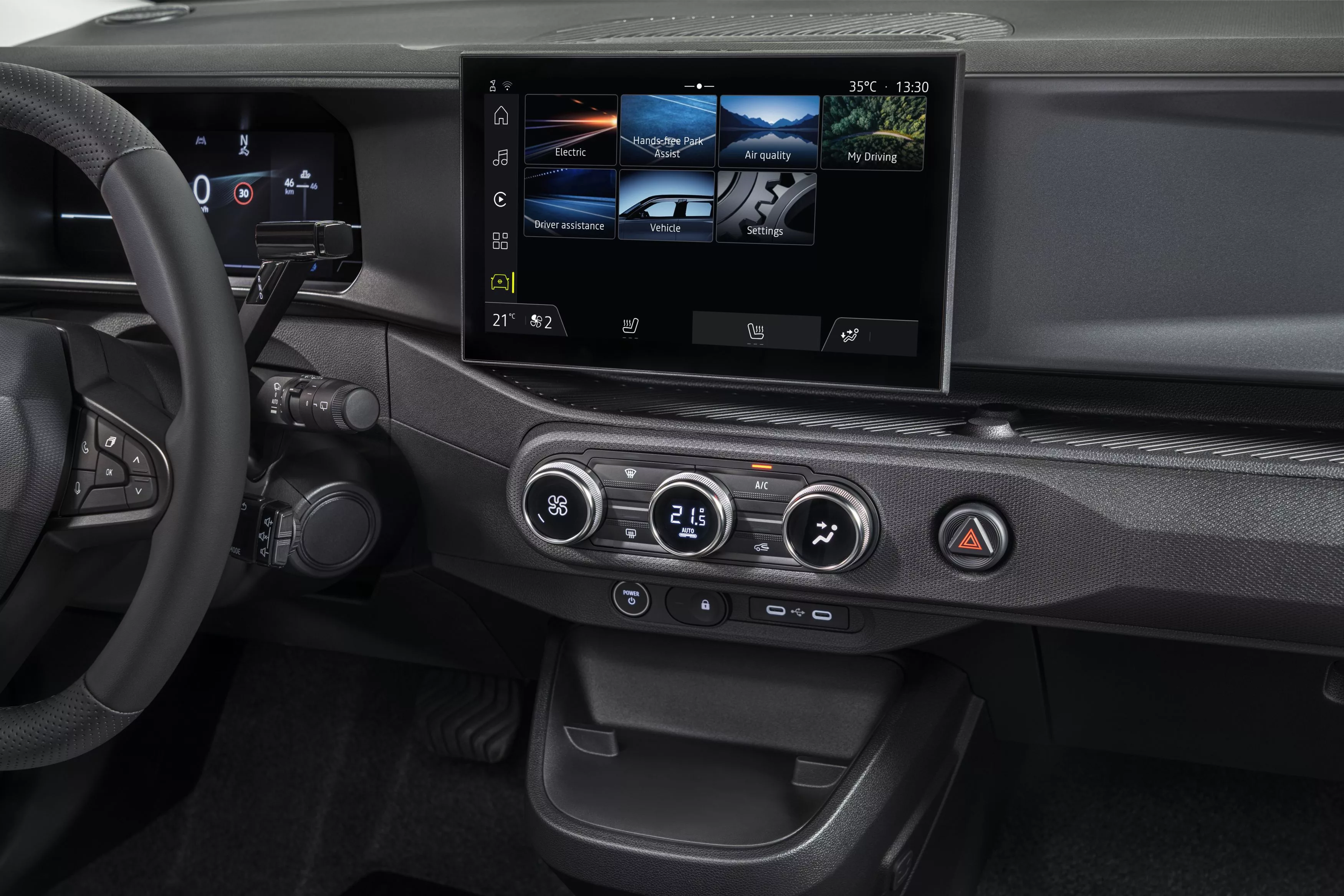
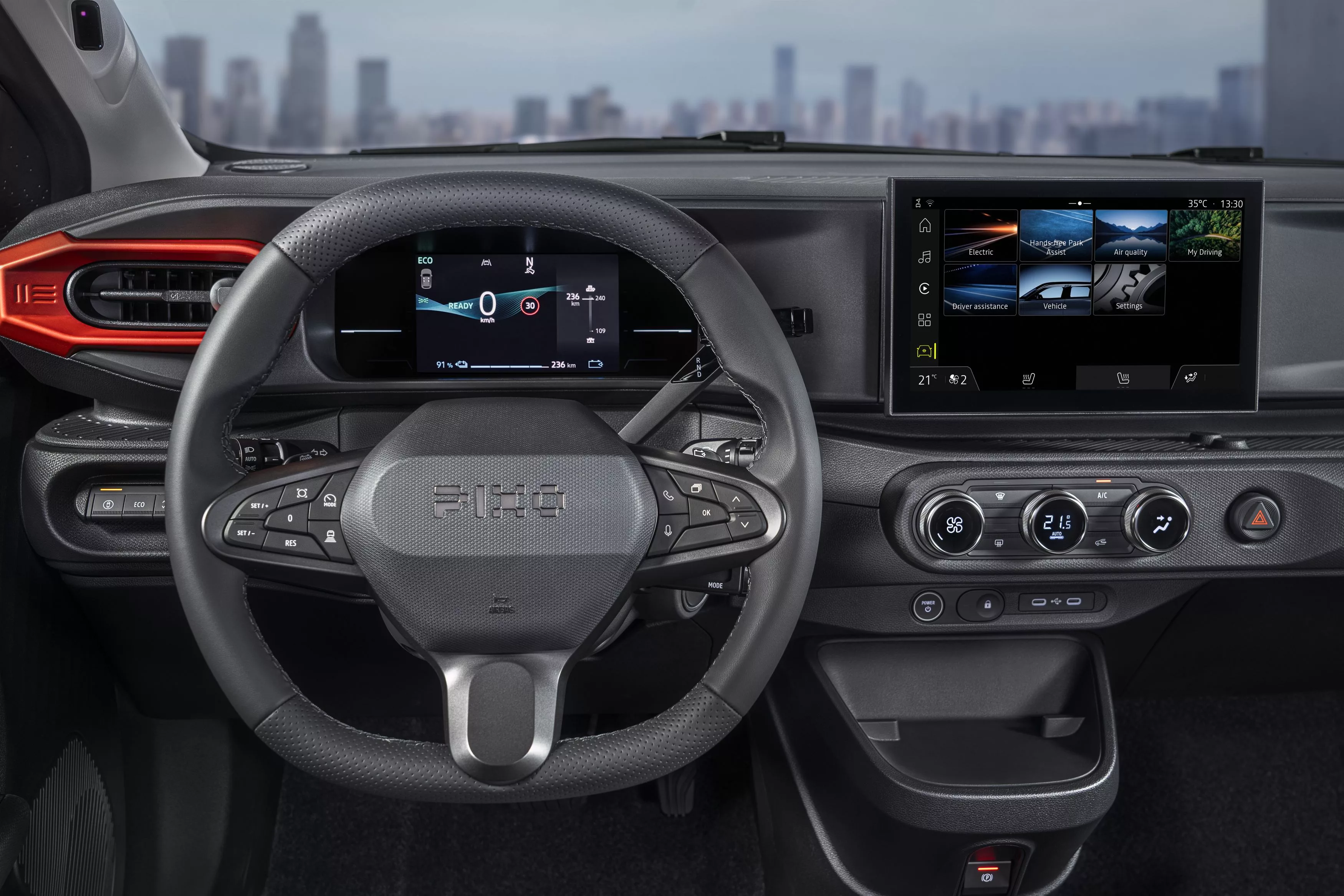
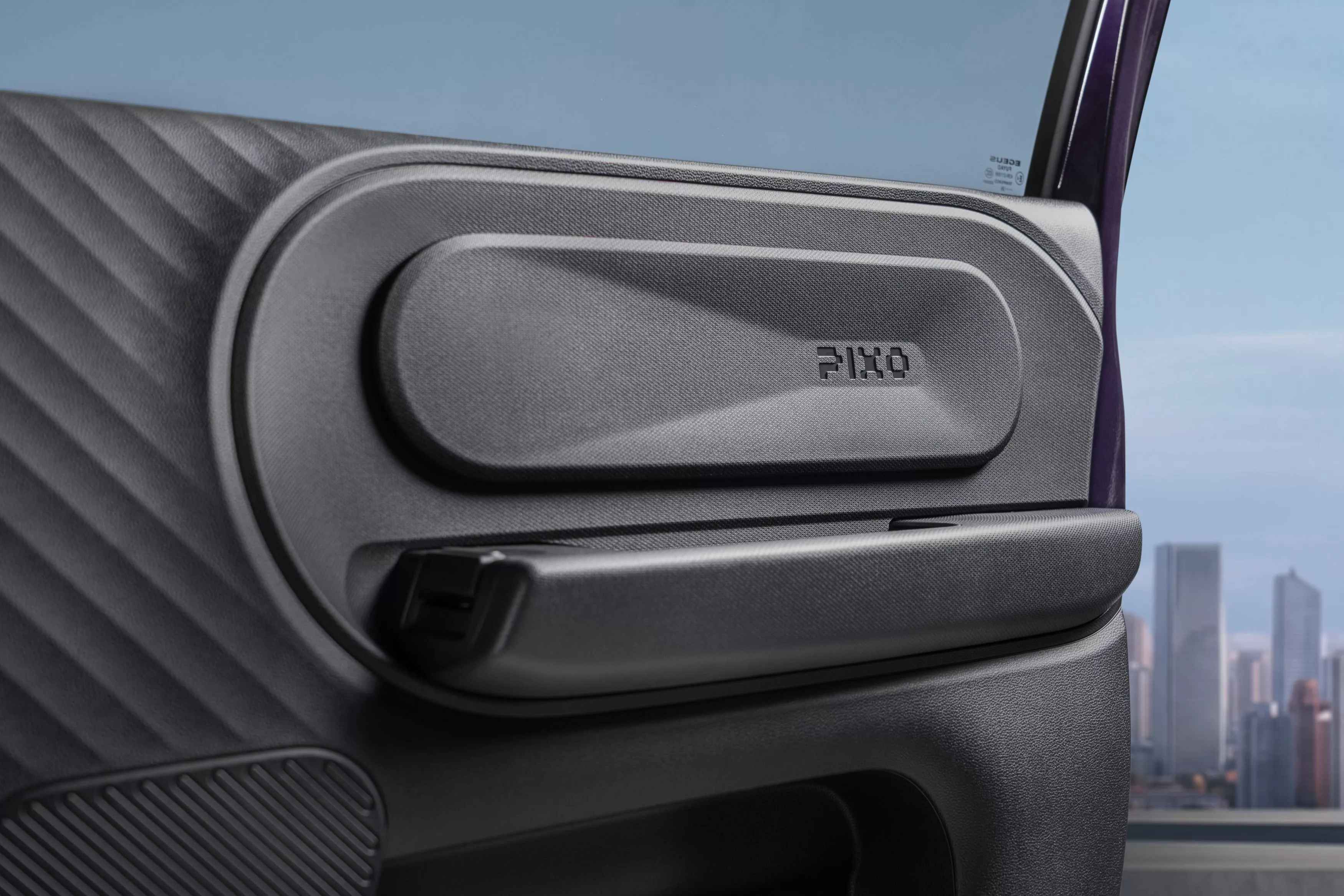
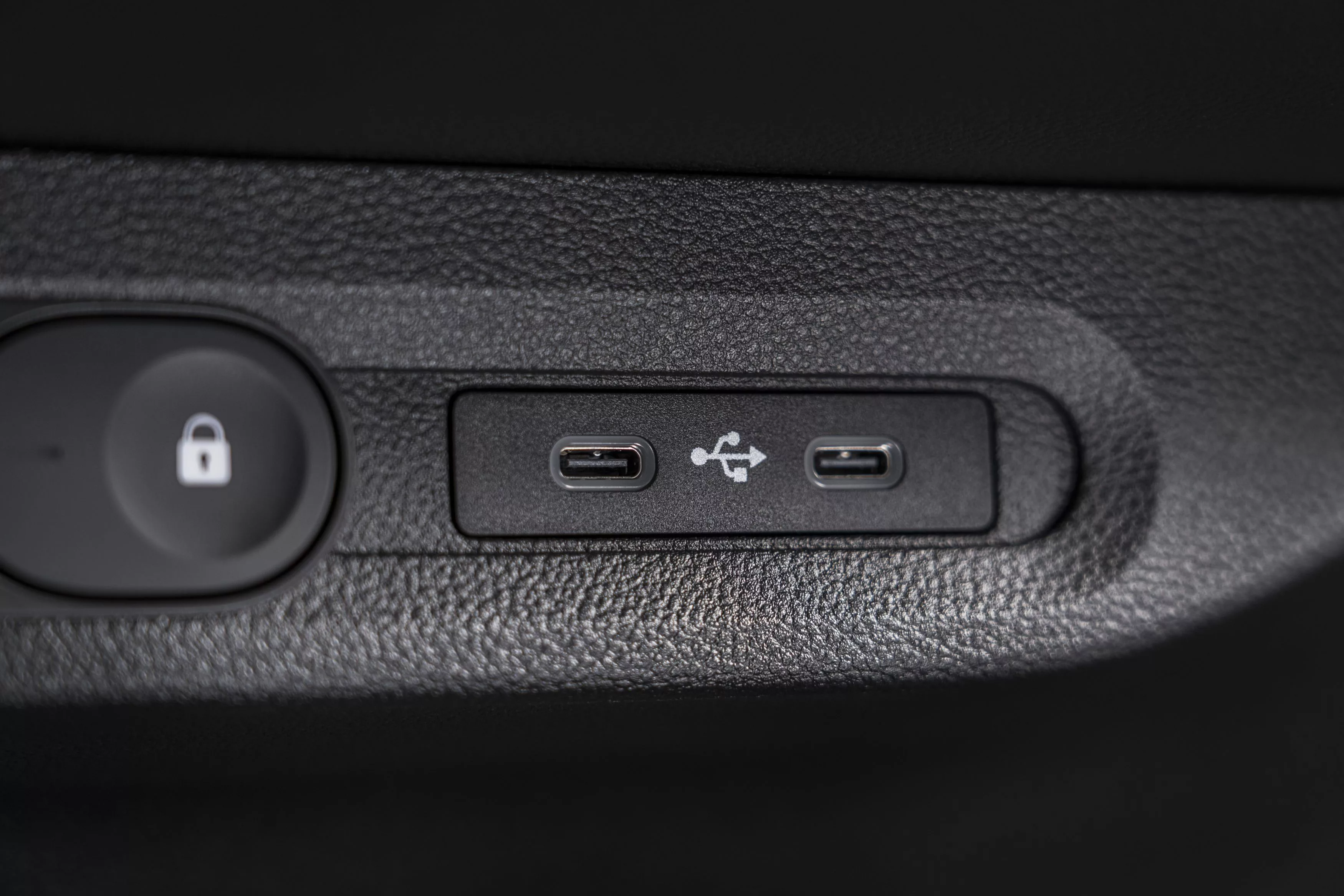
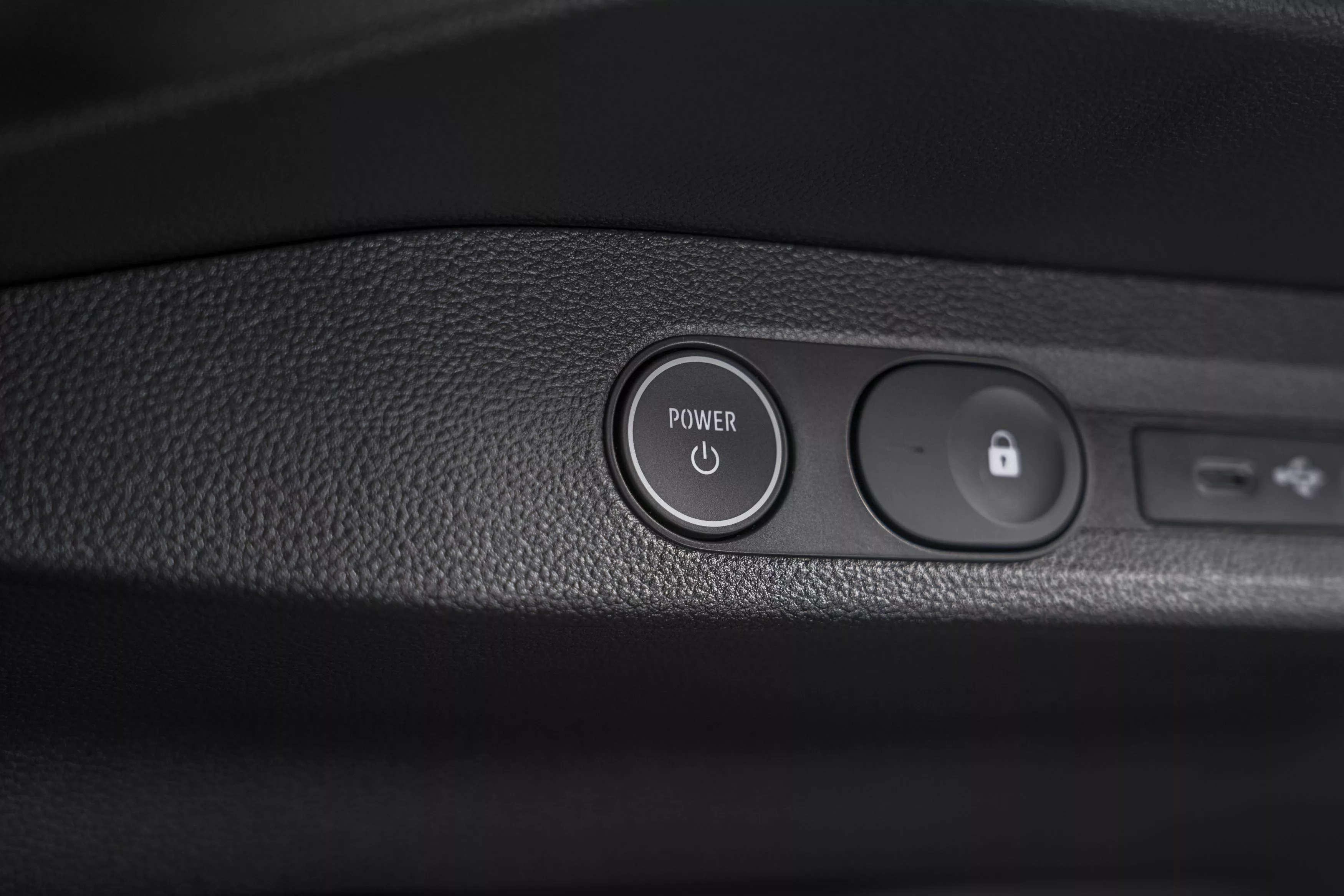
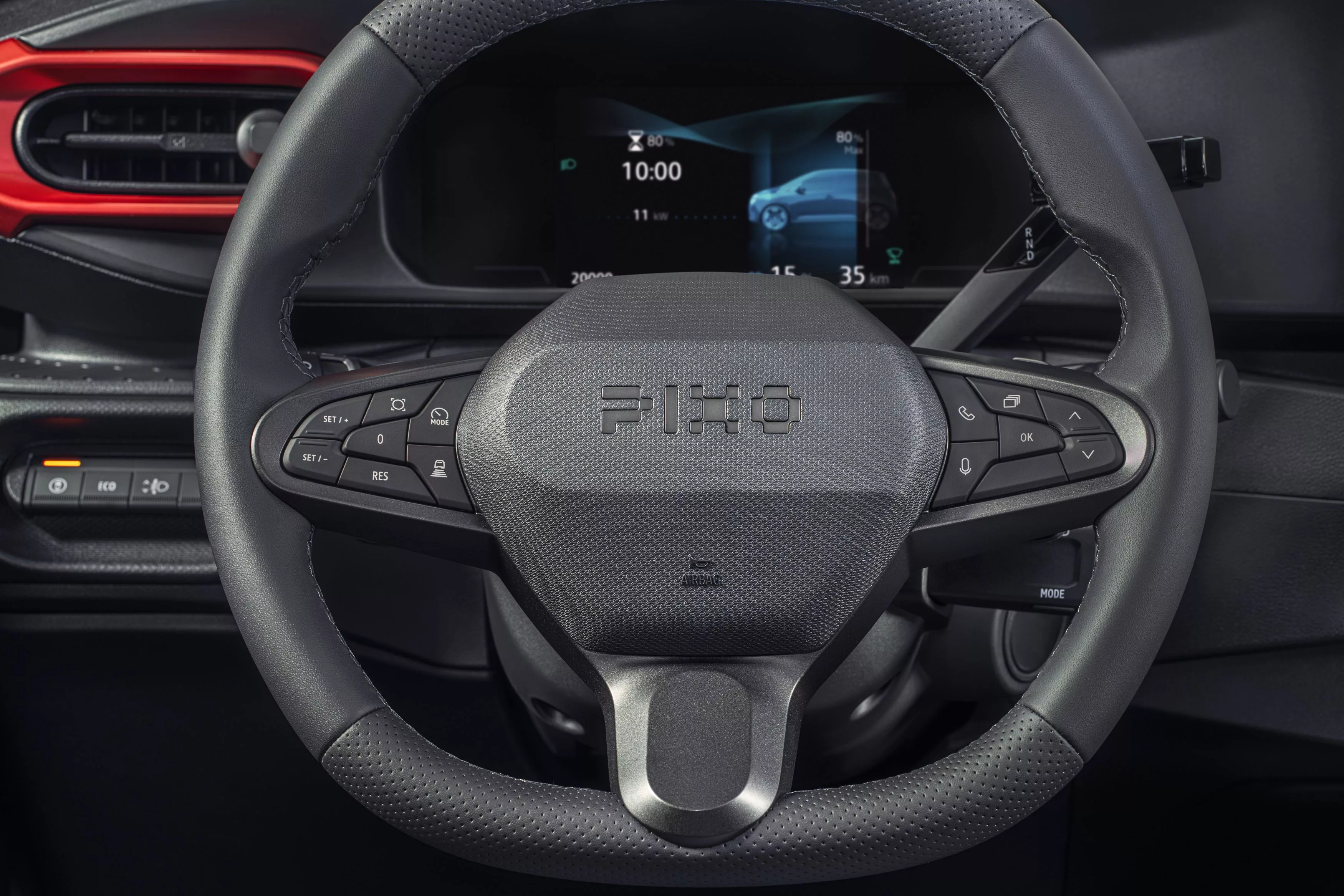
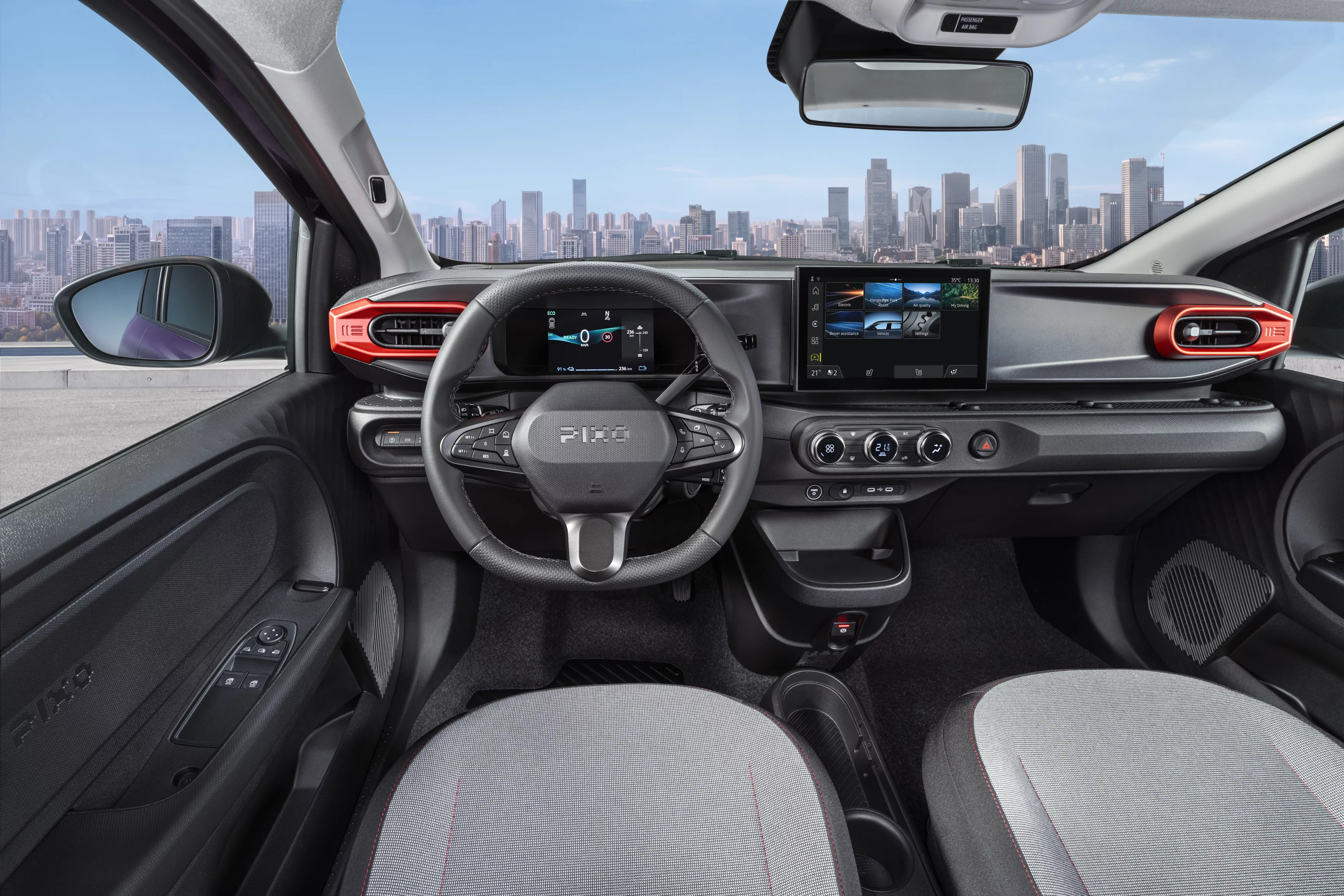
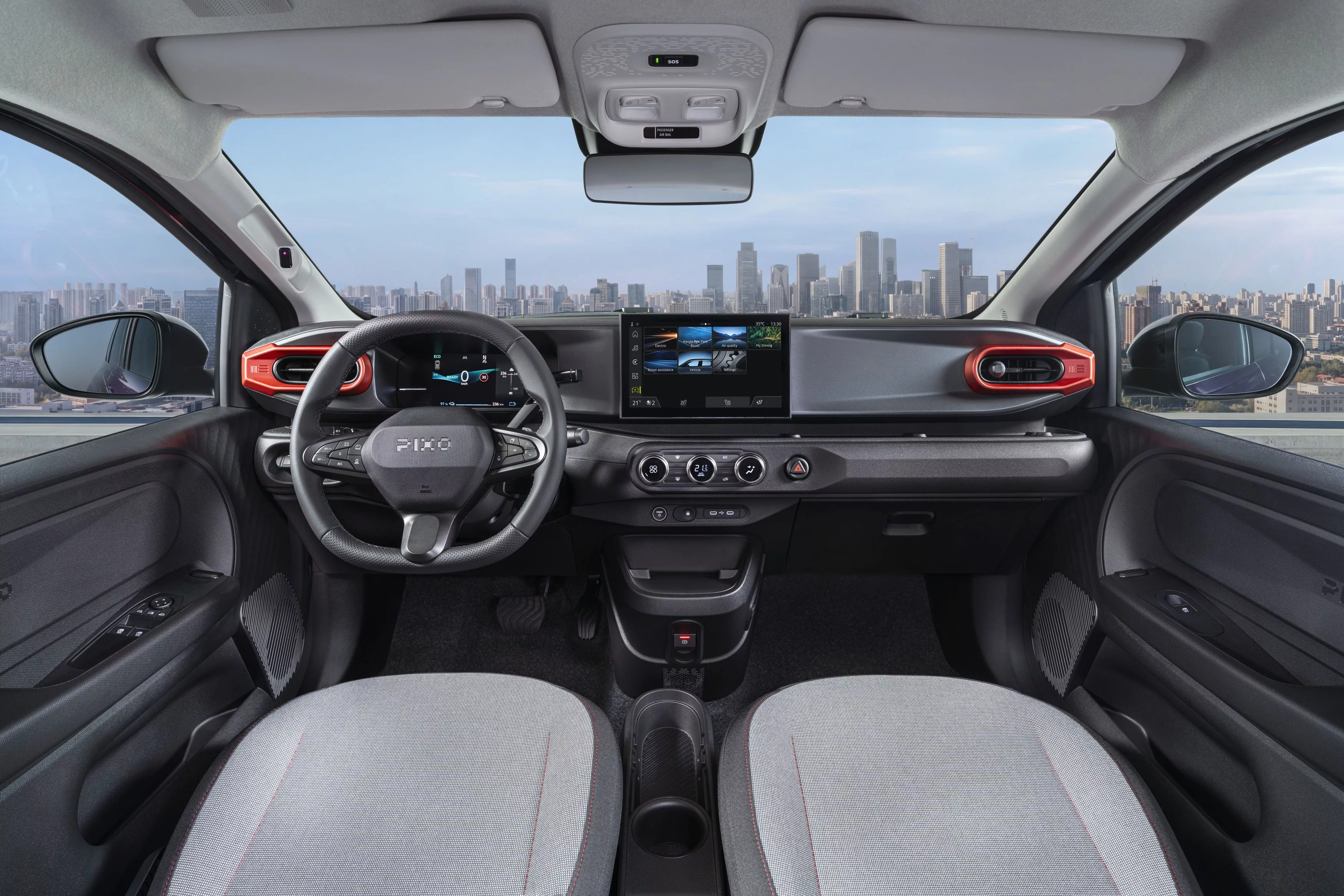
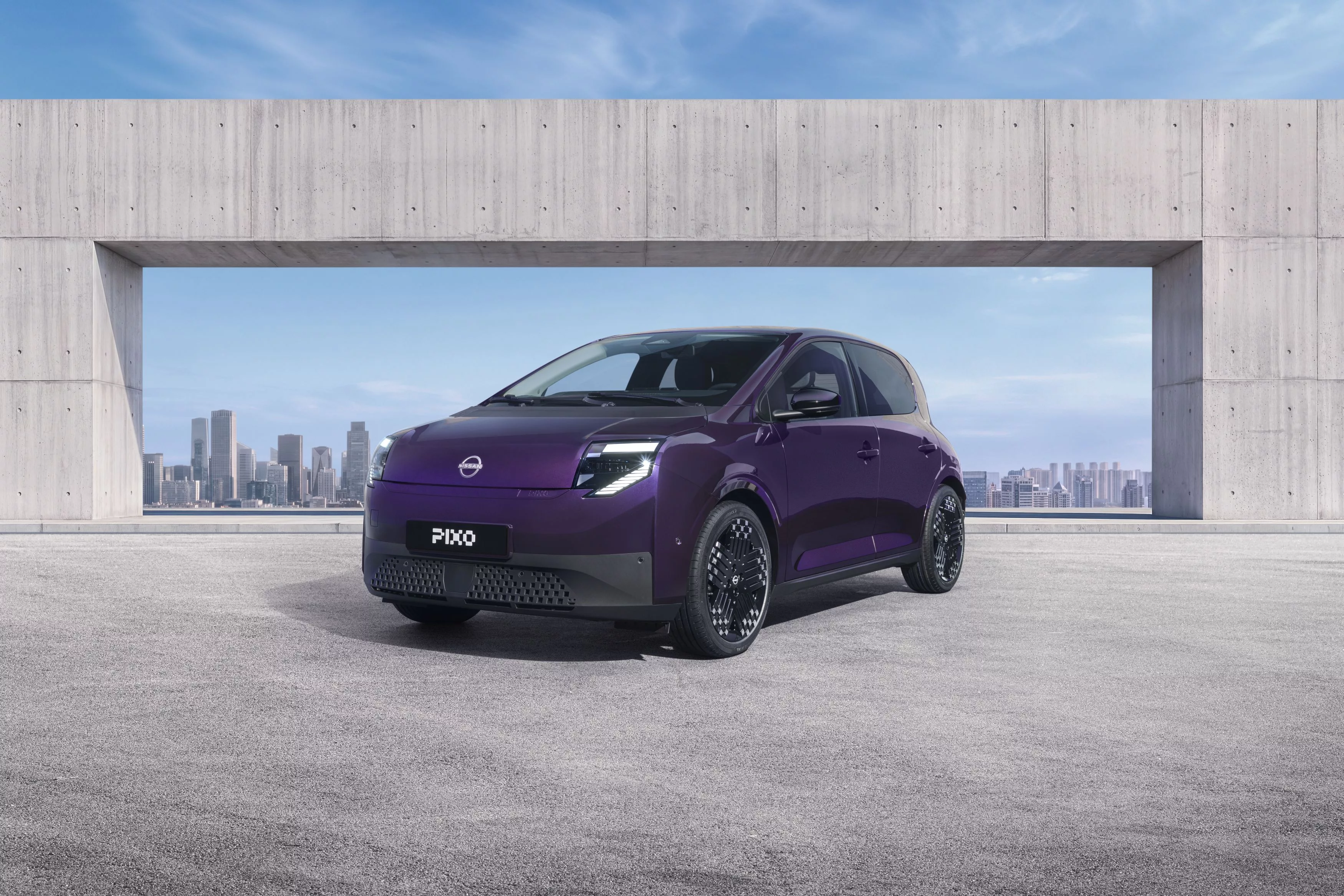
Nissan will bring the 3.8-metre PIXO to Europe in early 2027. Its 27.5 kWh LFP battery delivers up to 259 km of WLTP range. More interesting still is the car’s origin: the PIXO will be built at Renault’s Novo Mesto plant in Slovenia, while its 60 kW powertrain, battery and core concept are essentially shared with the new Renault Twingo E-Tech electric.
Nissan is positioning the PIXO as the new entry point to its European EV range. Prices will be announced from December, with the first cars reaching customers in early 2027. The model will sit alongside the new Micra and Leaf, but will serve a very different role below them: Nissan wants to return to Europe’s A-segment.
The Twingo connection is impossible to ignore
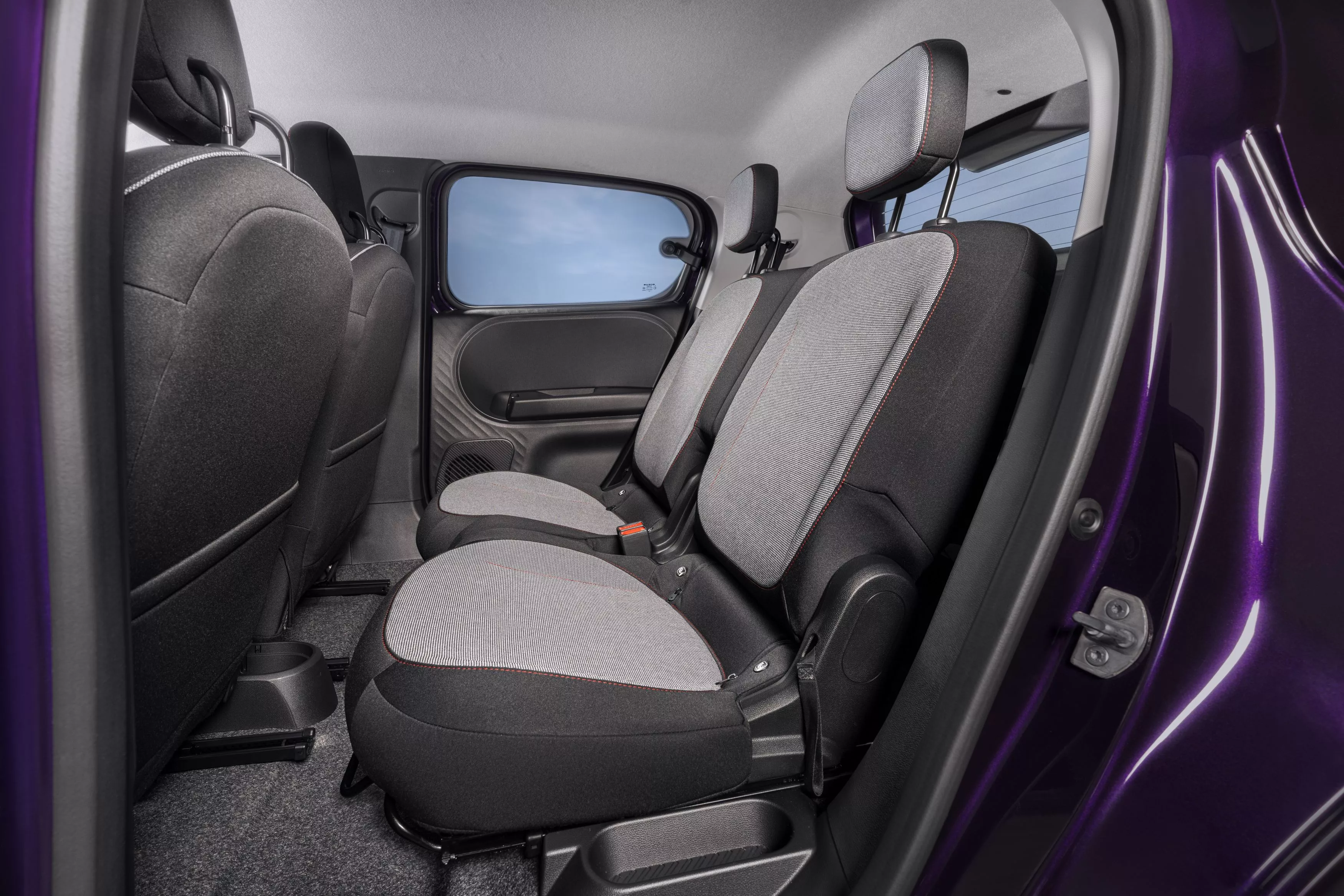
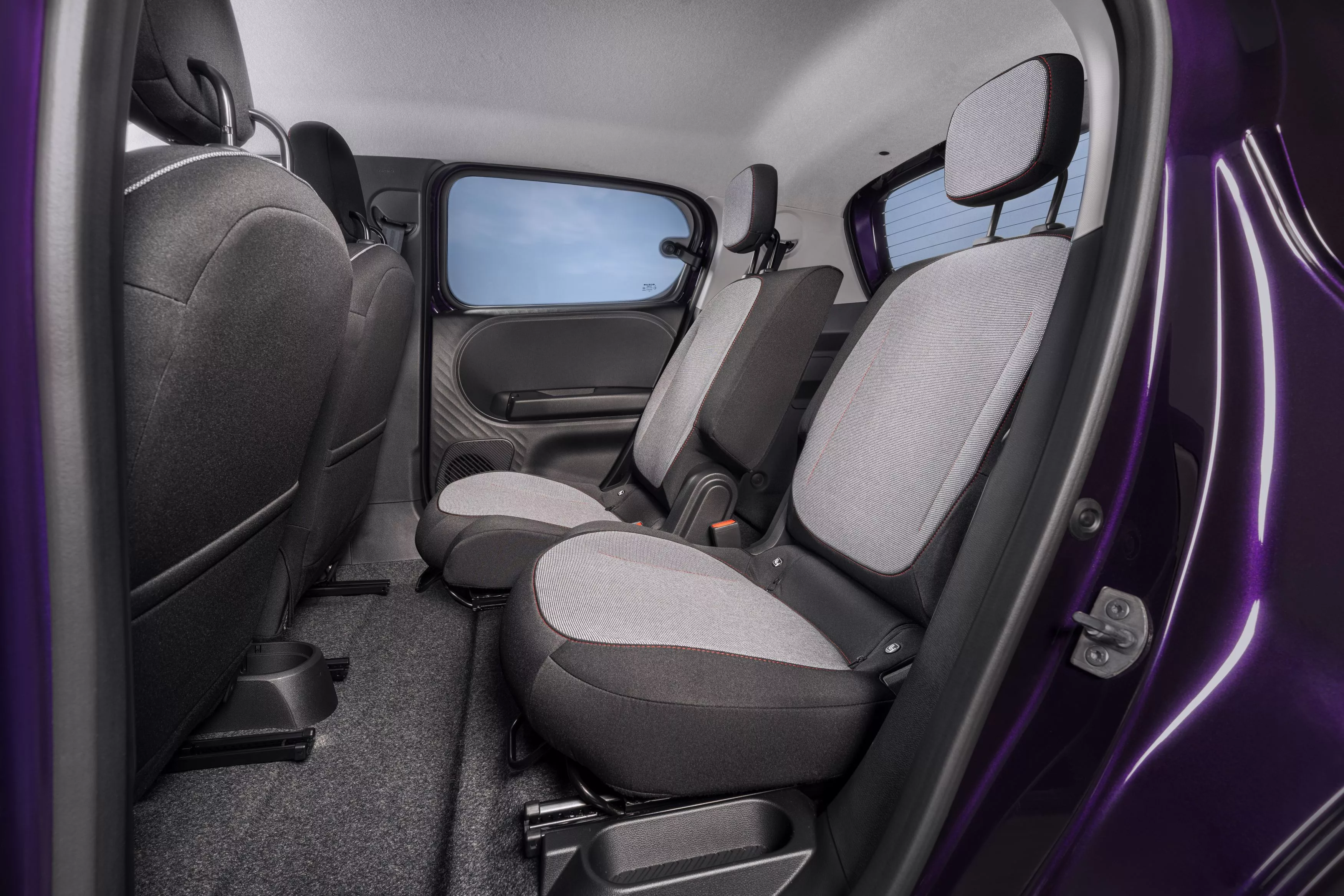
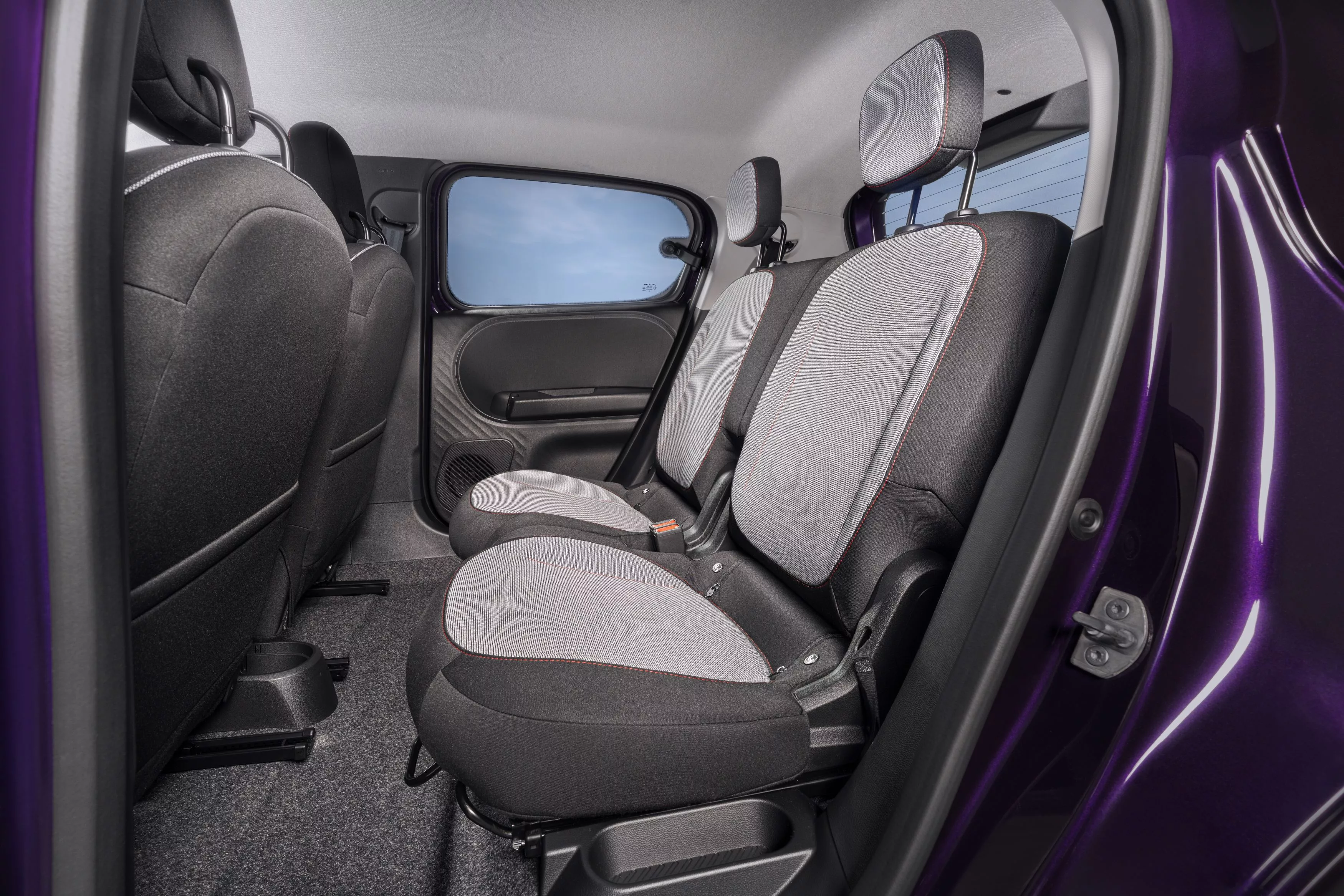
The PIXO is 3,796 mm long, 1,790 mm wide and has a wheelbase of 2,492 mm. It seats four adults, while two individually sliding rear seats allow owners to choose between passenger legroom and luggage capacity. The concept sounds familiar for a reason. The Renault Twingo E-Tech electric also uses a 27.5 kWh LFP battery and a 60 kW electric motor, and Renault builds it at the same Novo Mesto plant. The Twingo has a WLTP range of up to 263 km, while Nissan claims 259 km for the PIXO.
Nissan officially says that it designed the PIXO and that partner Renault will build it. This is therefore not simply a Twingo with a Nissan badge fitted to its grille, but the economic logic is clear. Developing an A-segment EV from scratch would be expensive in a market which, according to Renault, has fallen to less than five per cent of European car sales. By using a shared technical base, Renault and Nissan can share development and production costs.
This kind of collaboration may be one of the few realistic ways to bring more EVs in the sub-€20,000 price bracket to the European market.
A small battery is not a disadvantage here
The PIXO uses a 27.5 kWh LFP battery. In today’s world of 60, 80 and 100 kWh battery packs, that may seem almost toy-like, but in a 3.8-metre city car, a large battery is more ballast than benefit.
Nissan claims up to 259 km of WLTP range. That provides entirely usable reserves for urban and suburban journeys, while the small battery helps keep the car’s weight, production cost and, ultimately, hopefully its price under control.
The electric motor produces 60 kW. Nissan has yet to disclose an acceleration figure, but the PIXO is not designed to surprise sports cars away from the lights. The electric motor’s instant torque and the small body should make it, above all, a nimble city car.
The turning circle is just 9.9 metres, while ground clearance is 140 mm.
50 kW charging comes as standard
One of the PIXO’s most important differences from the Renault Twingo lies in its charging equipment.
Nissan equips every PIXO version with 50 kW DC fast charging and 11 kW AC charging as standard. According to Nissan’s technical data, charging the battery from 15 to 80 per cent takes around 28 minutes. The 11 kW onboard charger supports bidirectional energy exchange.
Renault takes a more restrained approach with the Twingo. Its base model comes with a 6.6 kW AC charger as standard, while 11 kW bidirectional AC charging and 50 kW DC fast charging are part of the Advanced Charge package. Renault claims around 30 minutes for a 10-to-80-per-cent charge with this combination.
If Nissan can keep the PIXO’s price close to that of the Twingo, standard fast charging will become an important selling point.
A 356-litre boot is an impressive figure for this size
The small Nissan’s most interesting number may not be an electric one at all.
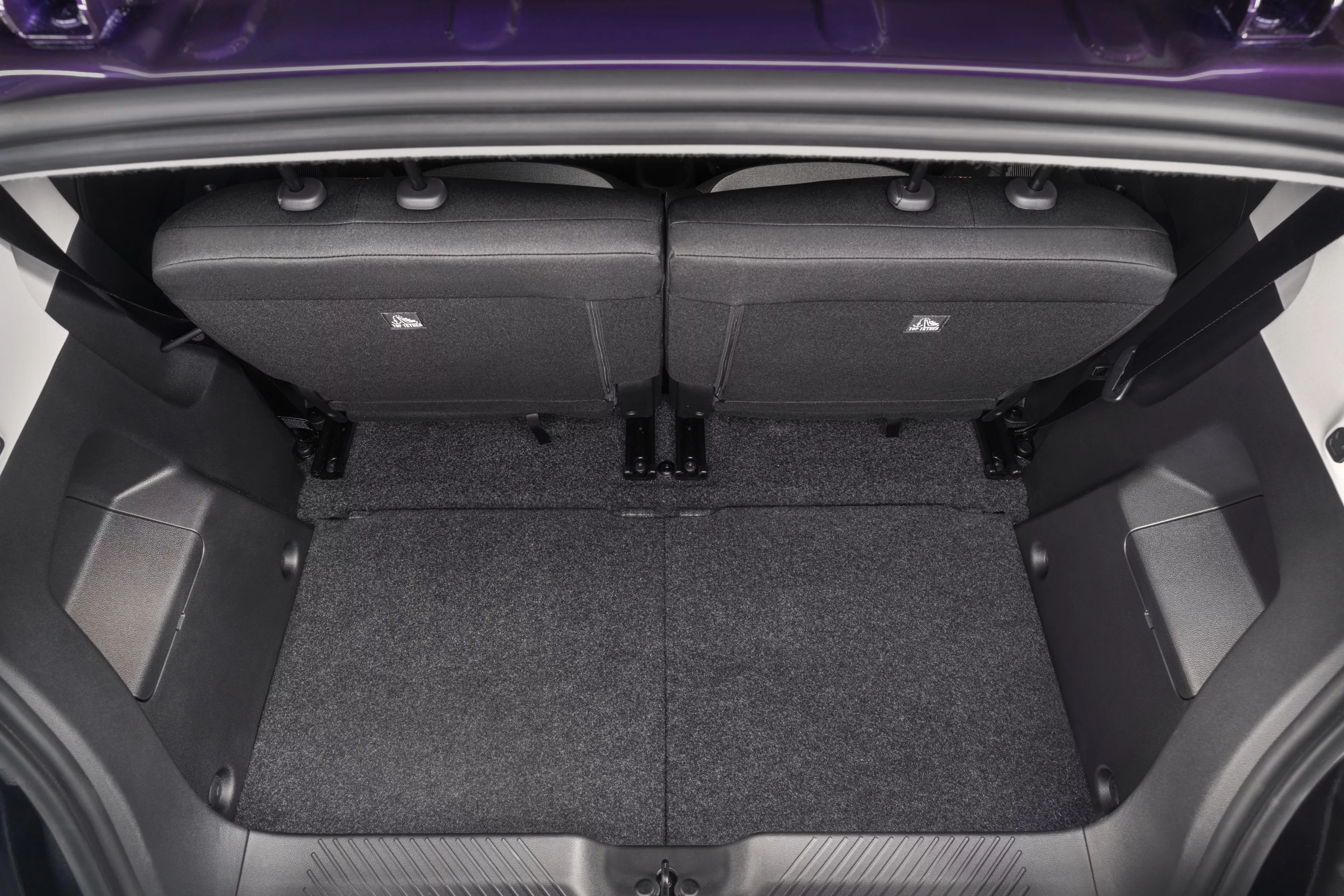
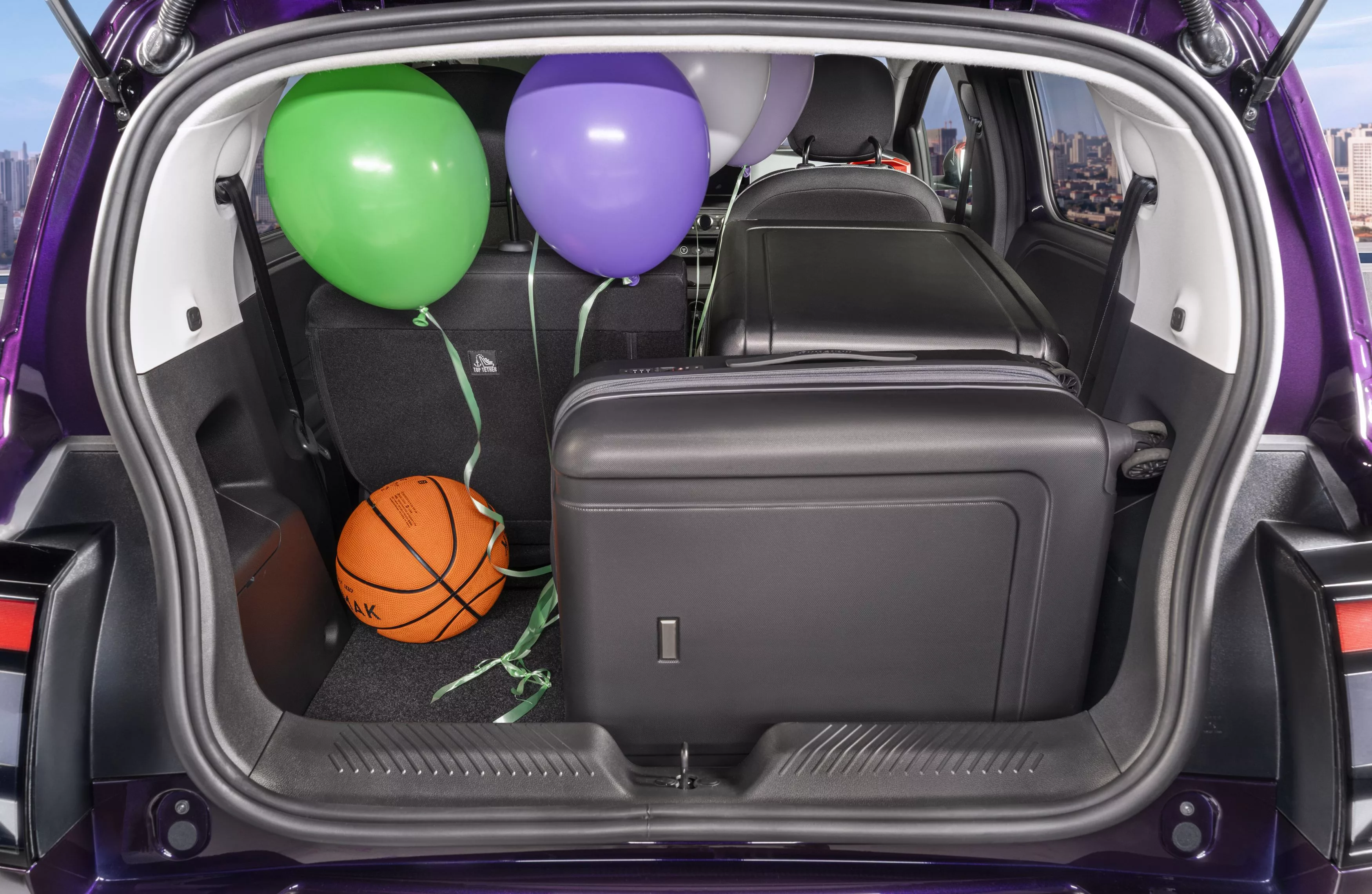
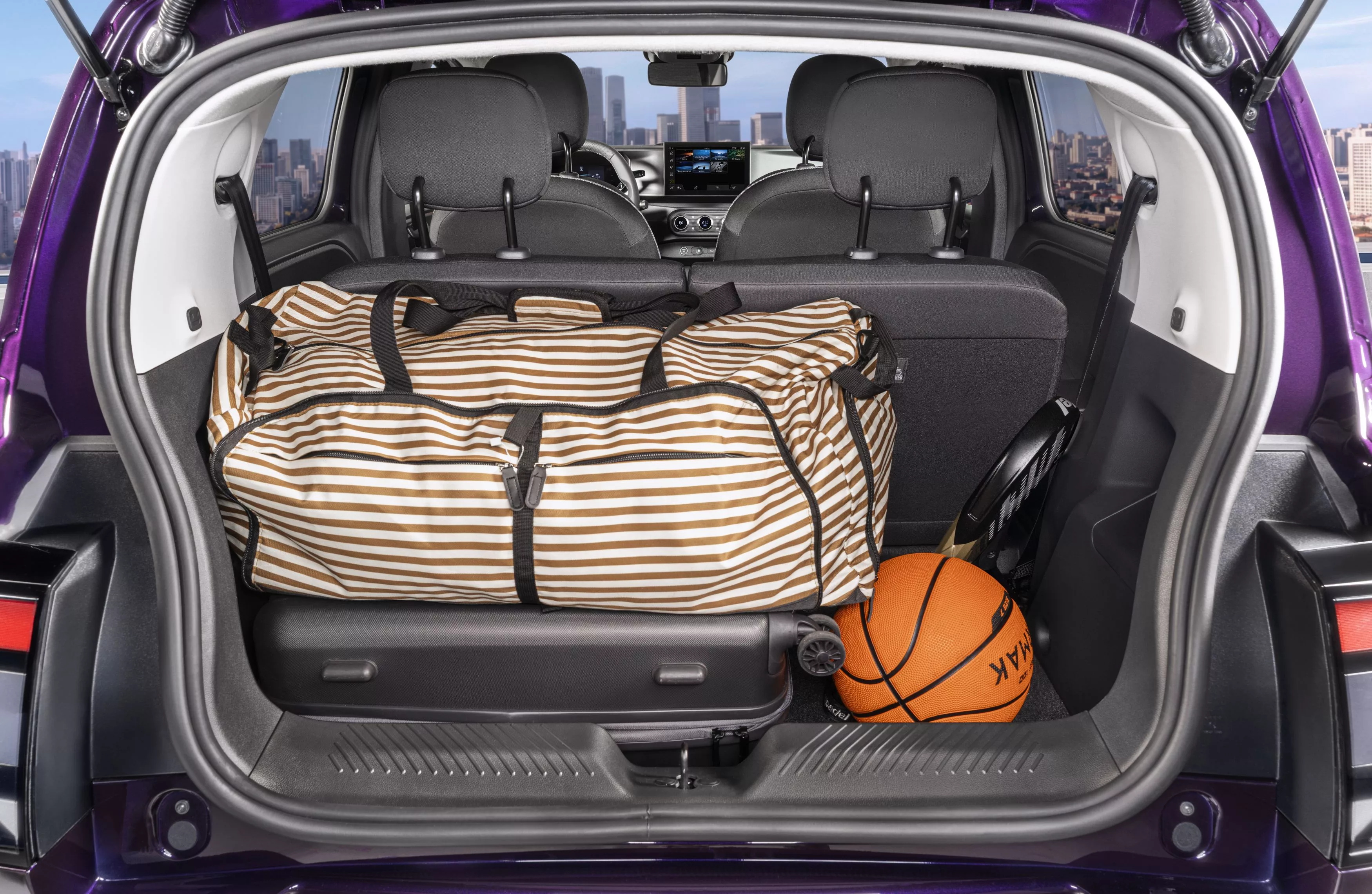
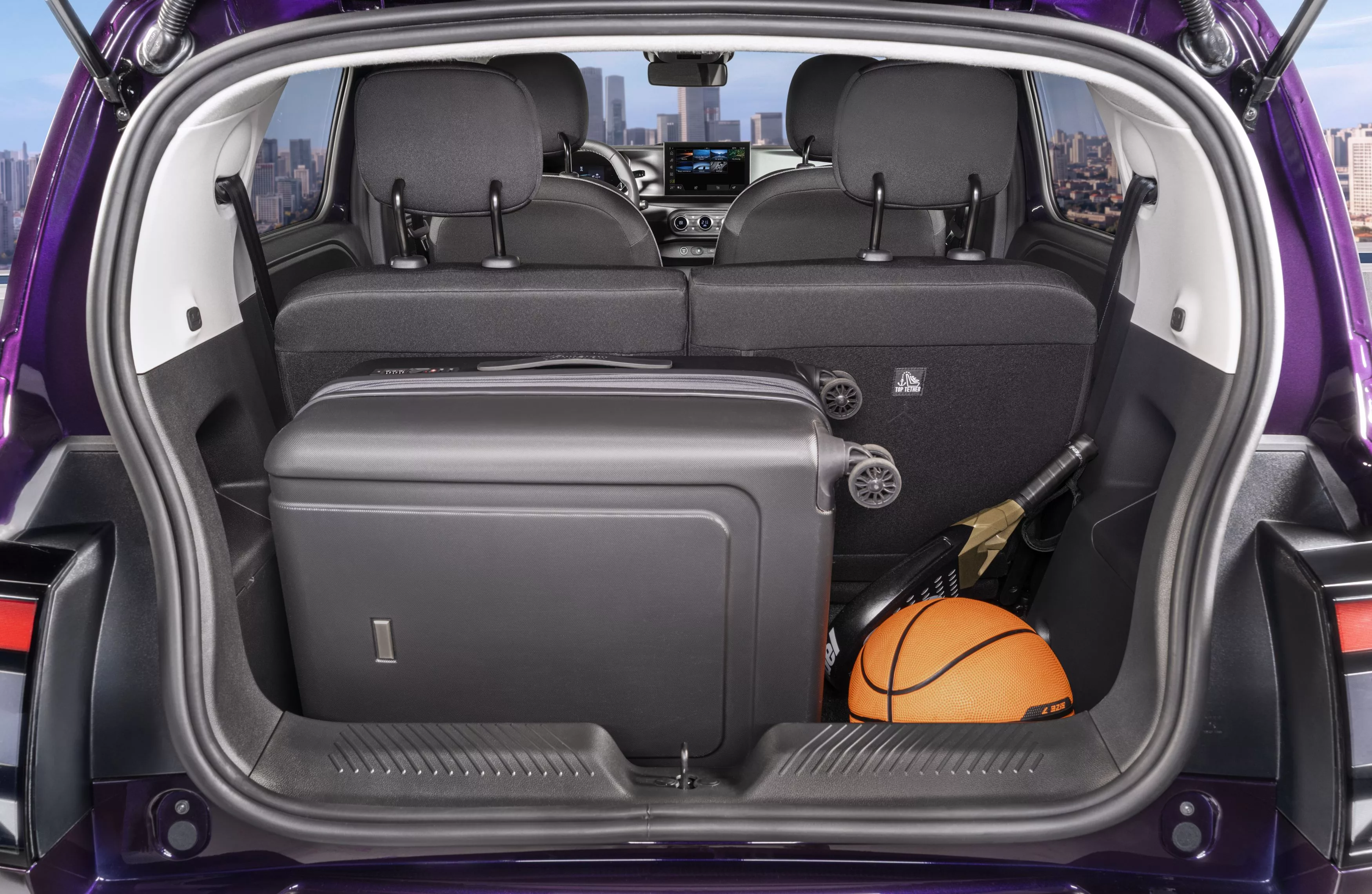
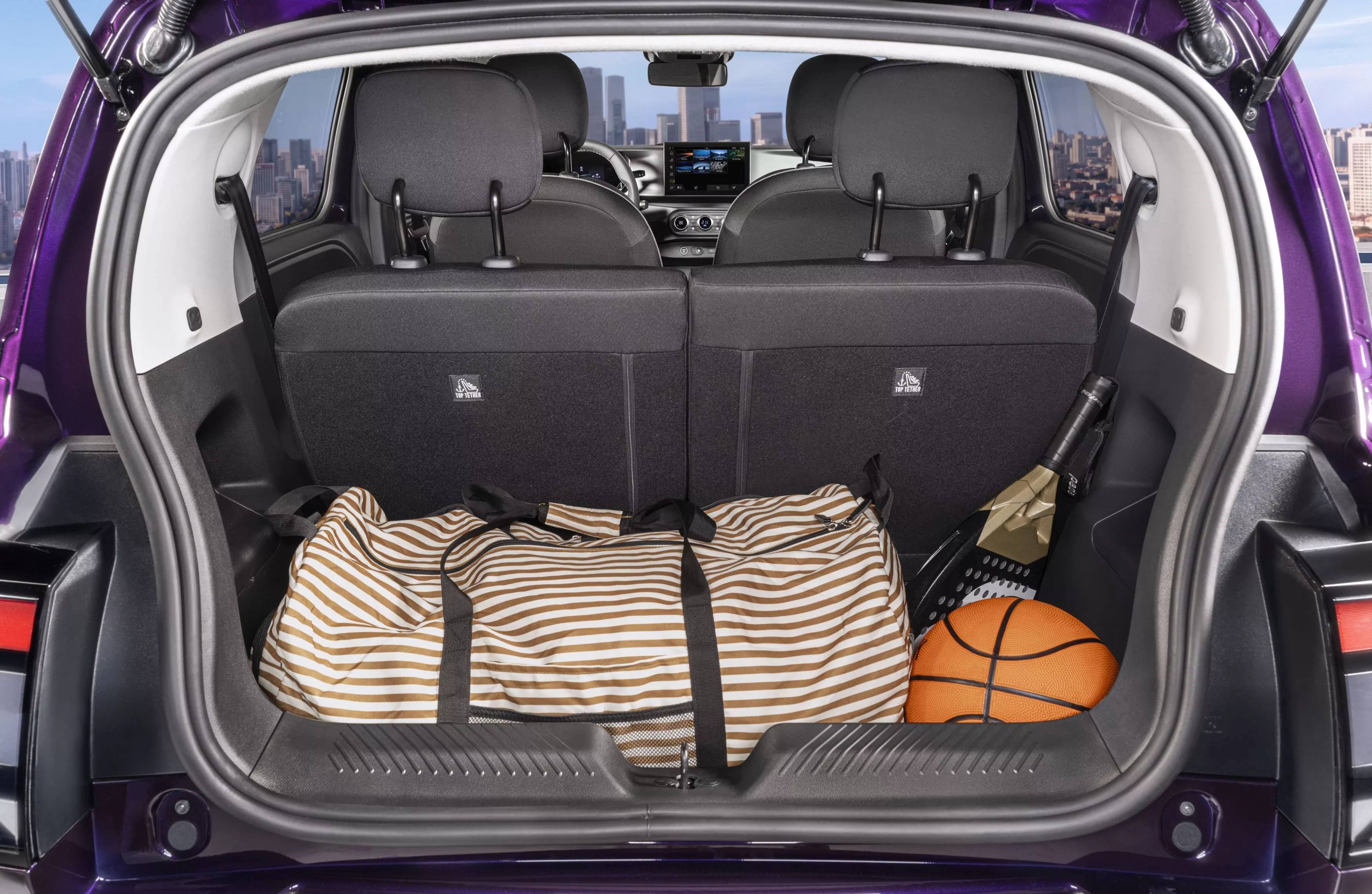
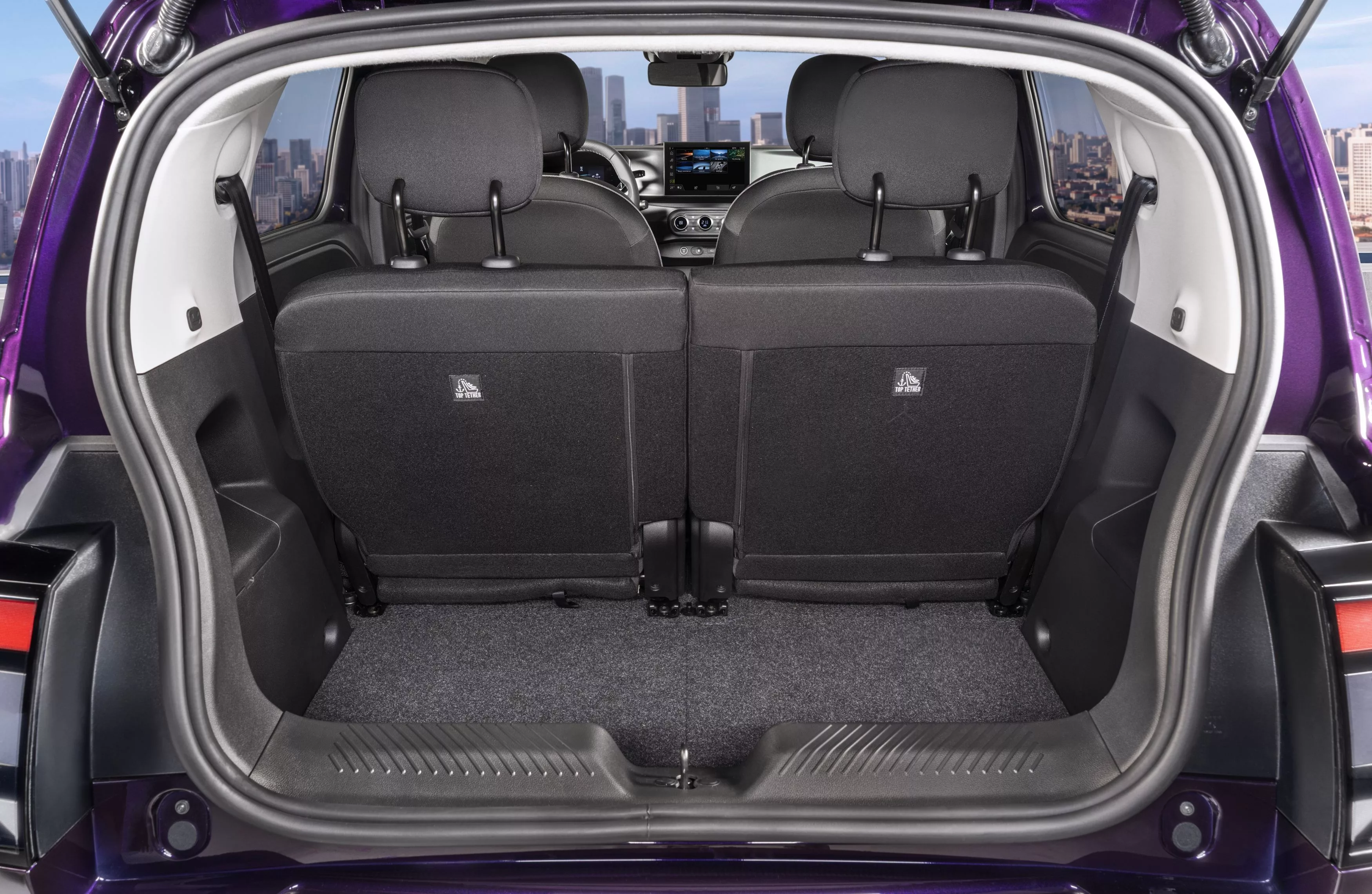
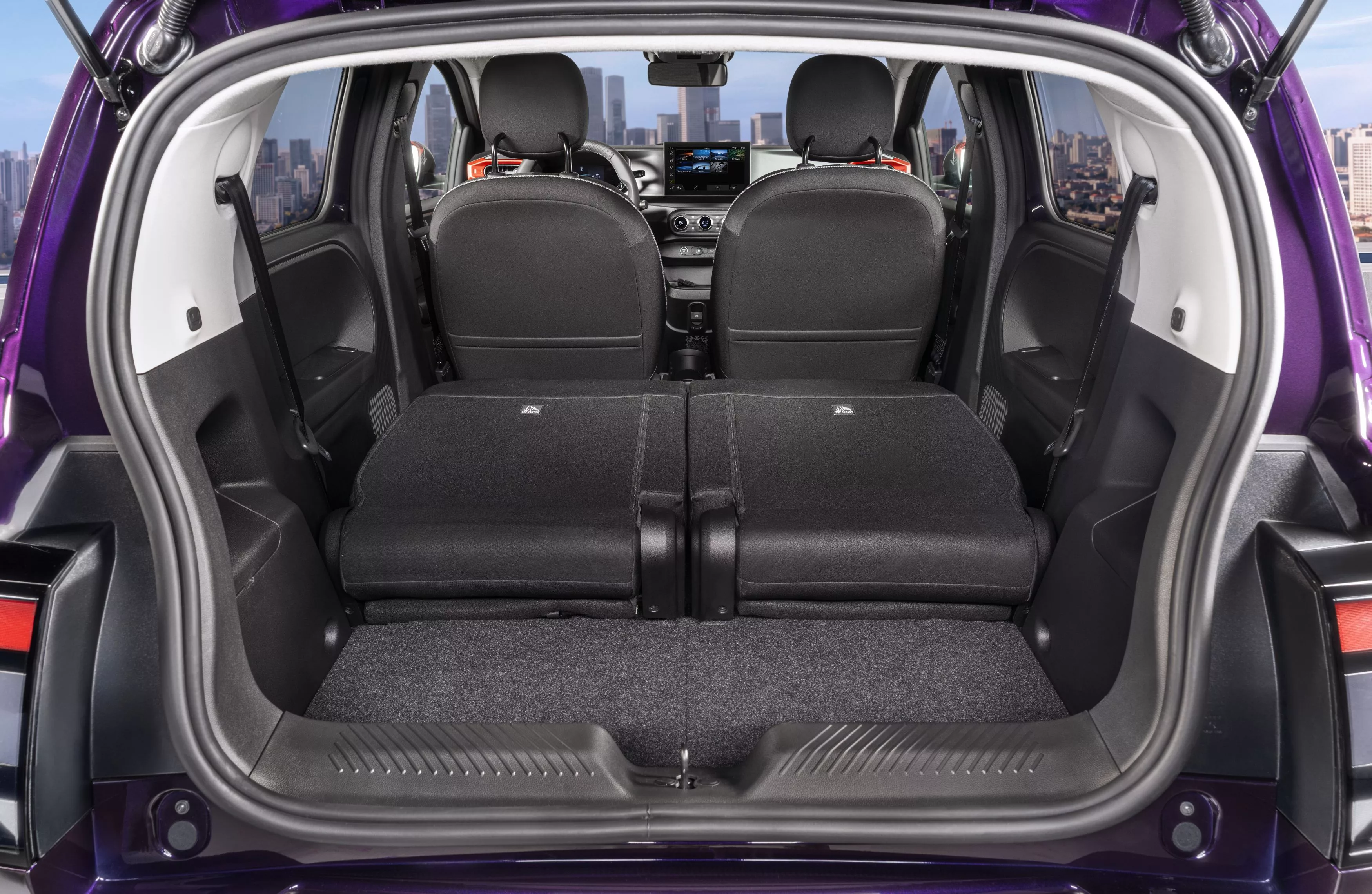
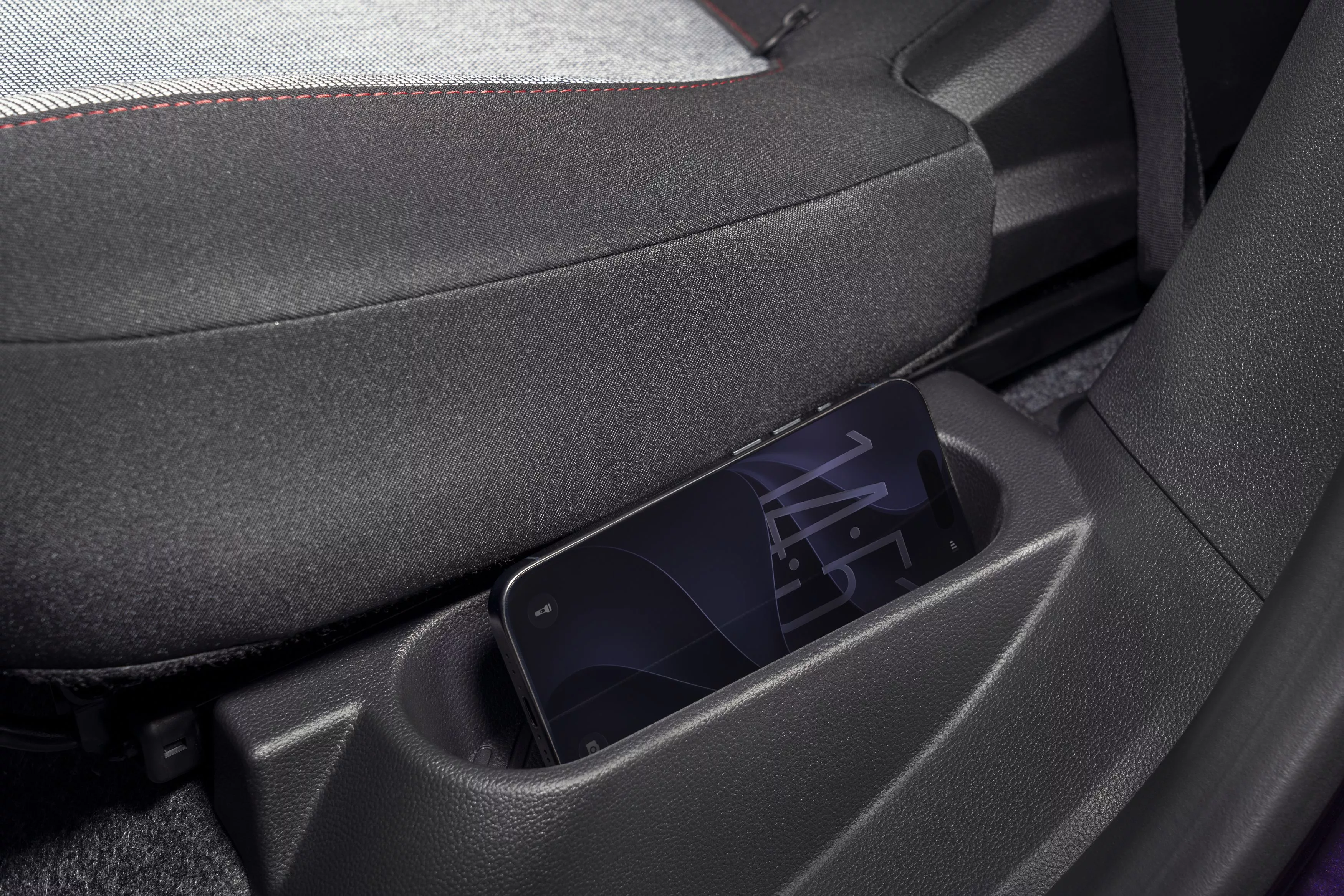
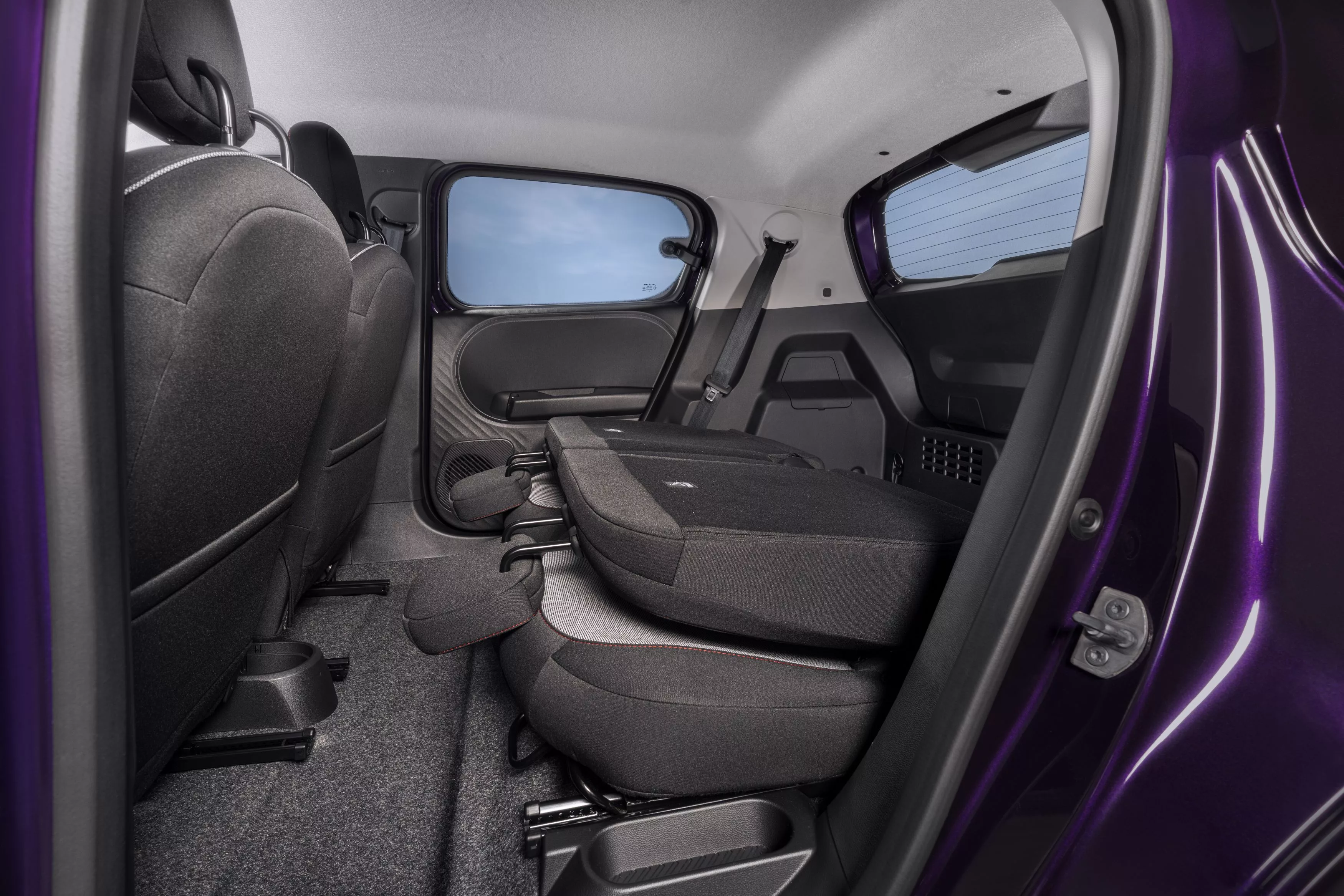
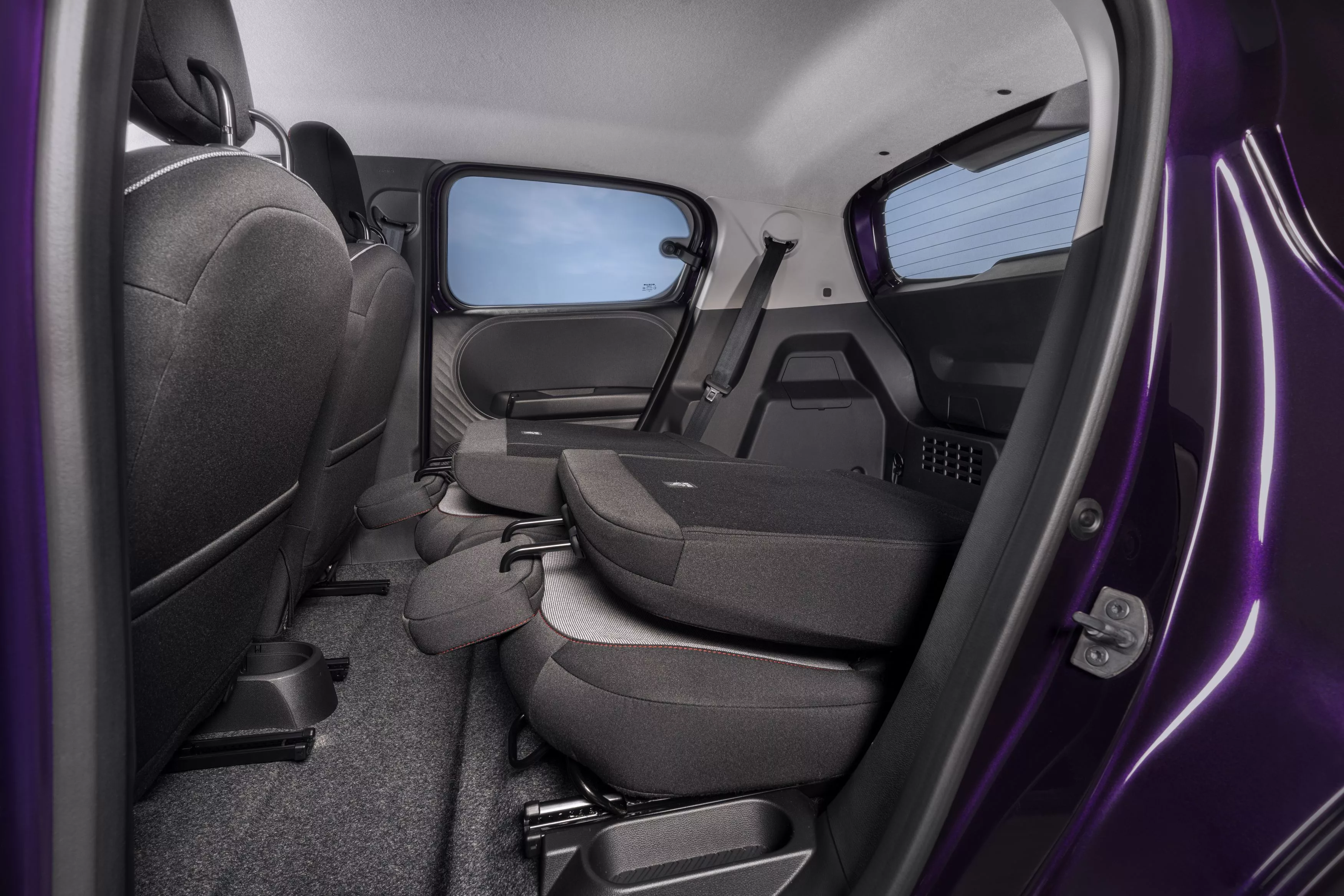
Nissan claims up to 356 litres of VDA-measured luggage space without folding the rear seats. With the seats folded, capacity rises to 1,221 litres. There are a further 18 litres of storage space in the cabin, along with a separate compartment for charging cables.
This is made possible by the two individually sliding rear seats. When carrying four people, they can be moved rearwards; when carrying more luggage, they can be moved forwards.
Such a modular solution is rare in the A-segment, although it is again familiar for a reason. Individually sliding rear seats are also standard equipment in the Twingo.
Gemini moves into the most affordable car class
Nissan is not trying to confine technology to the upper end of the price list in the PIXO. There is a 7-inch display in front of the driver and a 10.1-inch touchscreen on the dashboard.
Google built-in services include Gemini, which can control navigation, entertainment and communication through natural speech. At launch, the system will support 16 languages and dialects, and will use conversation history to personalise its responses.
The PIXO can also recognise the driver through facial recognition and automatically load their personalised settings.
Standard equipment also includes adaptive cruise control with Stop & Go, a lane departure warning system and hands-free parking assistance. One Pedal allows much of the accelerating and decelerating in urban traffic to be carried out using only the accelerator pedal.
Only a few years ago, this kind of equipment would have seemed almost unimaginable in a small, affordable car. Now the competition is reaching the question of whether customers value a large battery more highly than software and convenience features.
The price will be the project’s most important number
Nissan has not yet announced the PIXO’s price. Market-specific prices and final specifications are expected to be confirmed from December.
Renault nevertheless provides a fairly clear reference point. The Twingo E-Tech electric, with the same 27.5 kWh battery and 60 kW motor, went on sale in France from €19,490 before any potential state subsidies. In Renault’s official price list, the Techno cost €21,090.
That does not mean the PIXO will cost €20,000. It does, however, indicate the price territory in which Nissan will need to compete with the same technical base.
The battle for affordable EVs in Europe is rapidly becoming much more serious. The PIXO does not need to offer 500 km of range or 150 kW fast charging. It needs to be affordable enough, seat four people, consume a reasonable amount of electricity in urban use and charge without tedious waiting.
At least in technical terms, Nissan has kept the formula surprisingly sensible. A 27.5 kWh battery, a 60 kW motor and 259 km of range are not figures to boast about in a car park. For a city car, they may be exactly right.


