
McLaren looked back 60 years and changed its logo
 1/3
1/3
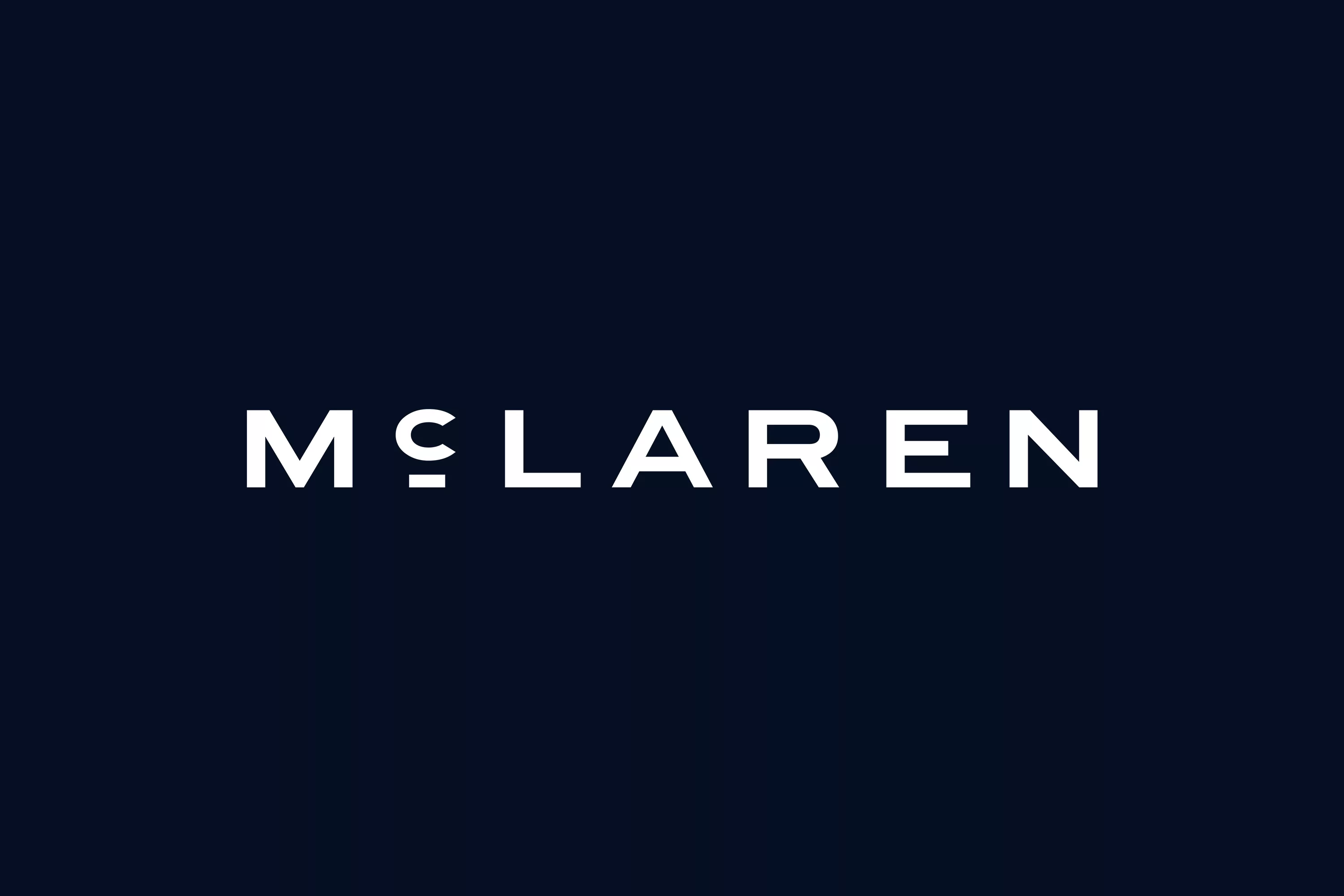
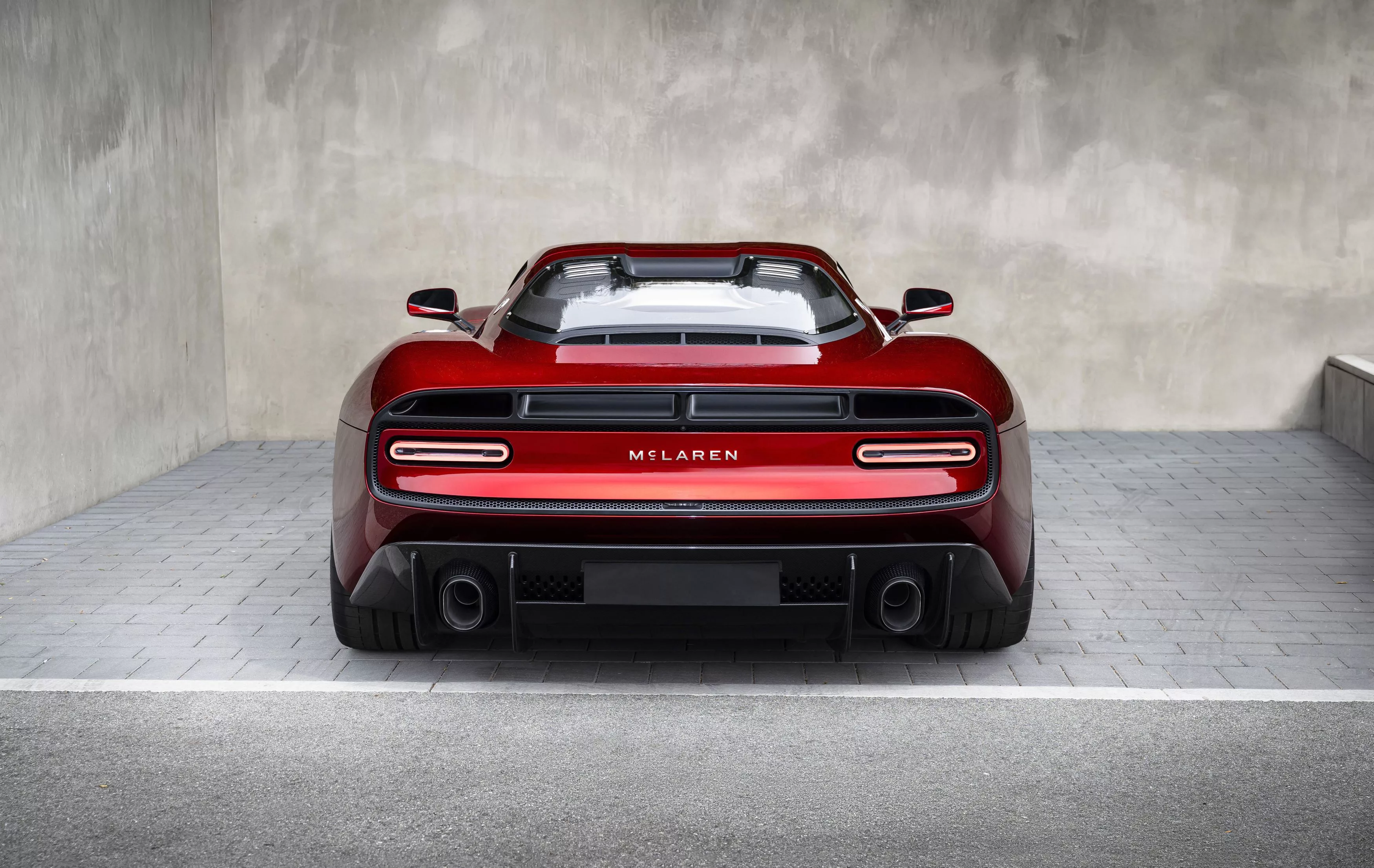
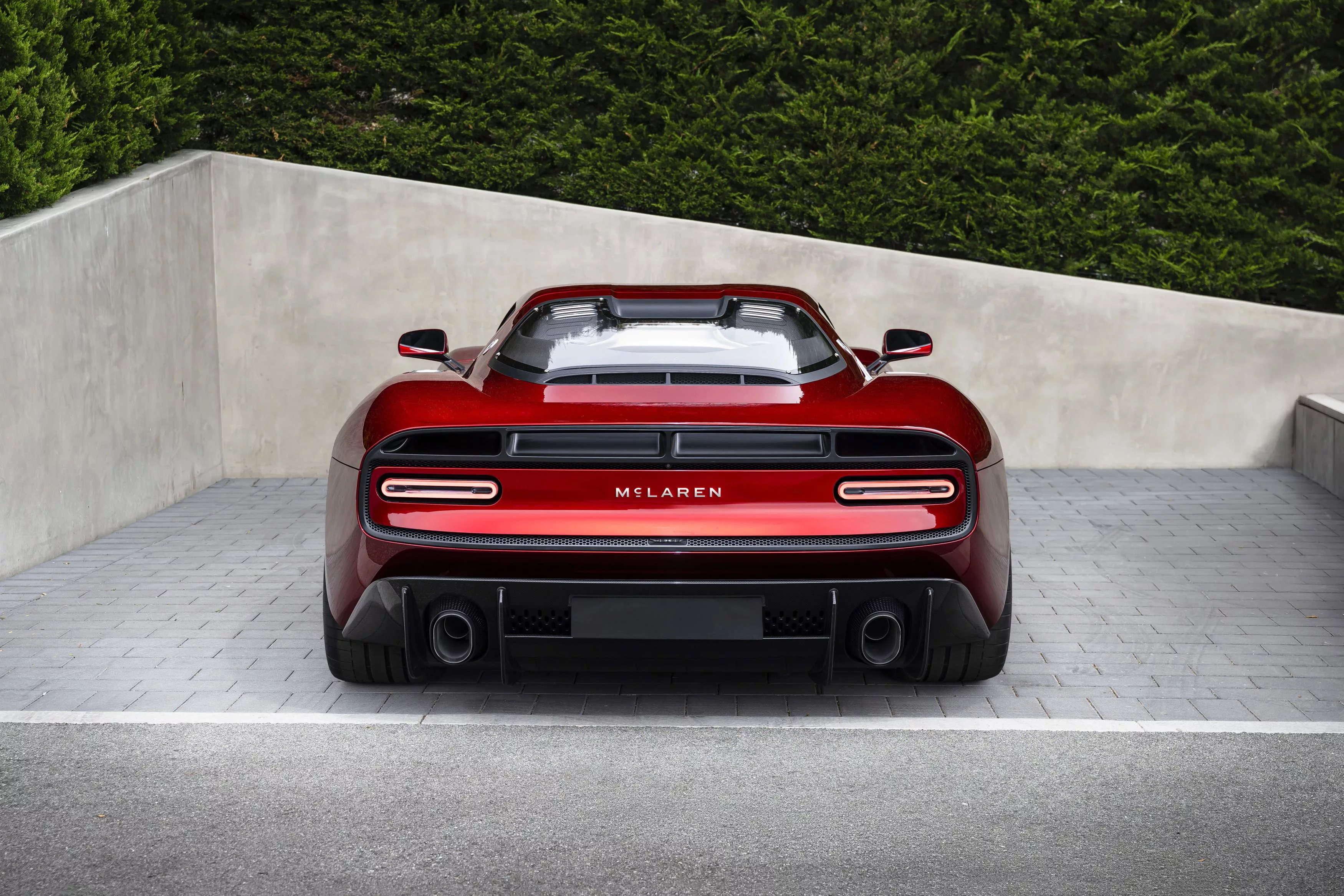
McLaren has updated its logo, but rather than following the usual carmaker formula of simply making it thinner and more boring, it has taken its new lettering from an era when McLaren Automotive did not yet exist: the inspiration was the sign at Bruce McLaren’s parents’ New Zealand service station.
The change affects both McLaren Automotive and McLaren Racing, and marks a much broader restructuring. McLaren is expanding its model range, will begin developing and producing its own powertrains, and is finally preparing to do what supercar makers invariably do sooner or later: build an SUV.
The new logo is actually an old one
The basis for the new McLaren wordmark was the sign at Les and Ruth McLaren’s service station in the Remuera district of Auckland. It was there that their son Bruce McLaren built the car in which he achieved his first racing victory.
The most striking detail is the raised “c” with a line beneath it. McLaren also developed its own typeface, McLaren Sans, for the new identity.
The existing Speedmark, the familiar curved emblem alongside the name, is not going away. McLaren is also retaining the historic Speedy Kiwi symbol and the papaya colour of its racing teams. On the road-car side, Midnight, a dark blue, will become more prominent. The aim is to make the visual language of Racing and Automotive, which have operated somewhat separately until now, more unified. The companies will remain separate businesses, but customers should see McLaren as more of a single McLaren in future.
The logo comes at the right time, because McLaren itself is undergoing far greater changes
If it were limited to a new typeface, it would hardly merit much attention. However, McLaren Automotive is undergoing one of the biggest changes in its history. The company’s new owner is backing a £500 million, or around €575 million, investment programme in the UK. McLaren is expanding production in Woking, doubling the capacity of its carbon-fibre composites plant in Sheffield, and building a new vehicle assembly plant. By 2032, the company is expected to create at least 1,000 new jobs.
More important still is the technical change. In future, McLaren will develop and produce its powertrains entirely in-house. Until now, Ricardo has handled the production of McLaren’s V8 engines, for example.
Two new hybrid powertrains and gearboxes have already been confirmed in the development plan. One of them is linked to the McL 6GT concept, in which McLaren showed a V8 hybrid with a six-speed manual gearbox.
And, of course, an SUV is coming
The biggest change, however, is McLaren’s first SUV. The company has confirmed that the model will reach the market before the end of the decade. McLaren wants to use a carbon-fibre structure and a hybrid powertrain, and promises to retain the brand’s characteristic low weight-to-power ratio. That places the car in the same league as the Lamborghini Urus and Aston Martin DBX.
McLaren has avoided the idea of an SUV for years. But Ferrari sells the Purosangue, the Lamborghini Urus has become one of the brand’s key cash generators, and Aston Martin essentially needs the DBX to survive. Alongside the laws of physics, the laws of economics also have the unpleasant habit of applying to everyone.
That is why the new logo is actually a fitting symbol. In its design, McLaren looks back to Bruce McLaren’s small New Zealand workshop, while the company itself prepares to become bigger, broader and far less exclusively a maker of two-seat supercars.


