
Saudi Arabia’s first car brand launches with 817 kW EVs, because excessive modesty would simply be inappropriate
 1/22
1/22
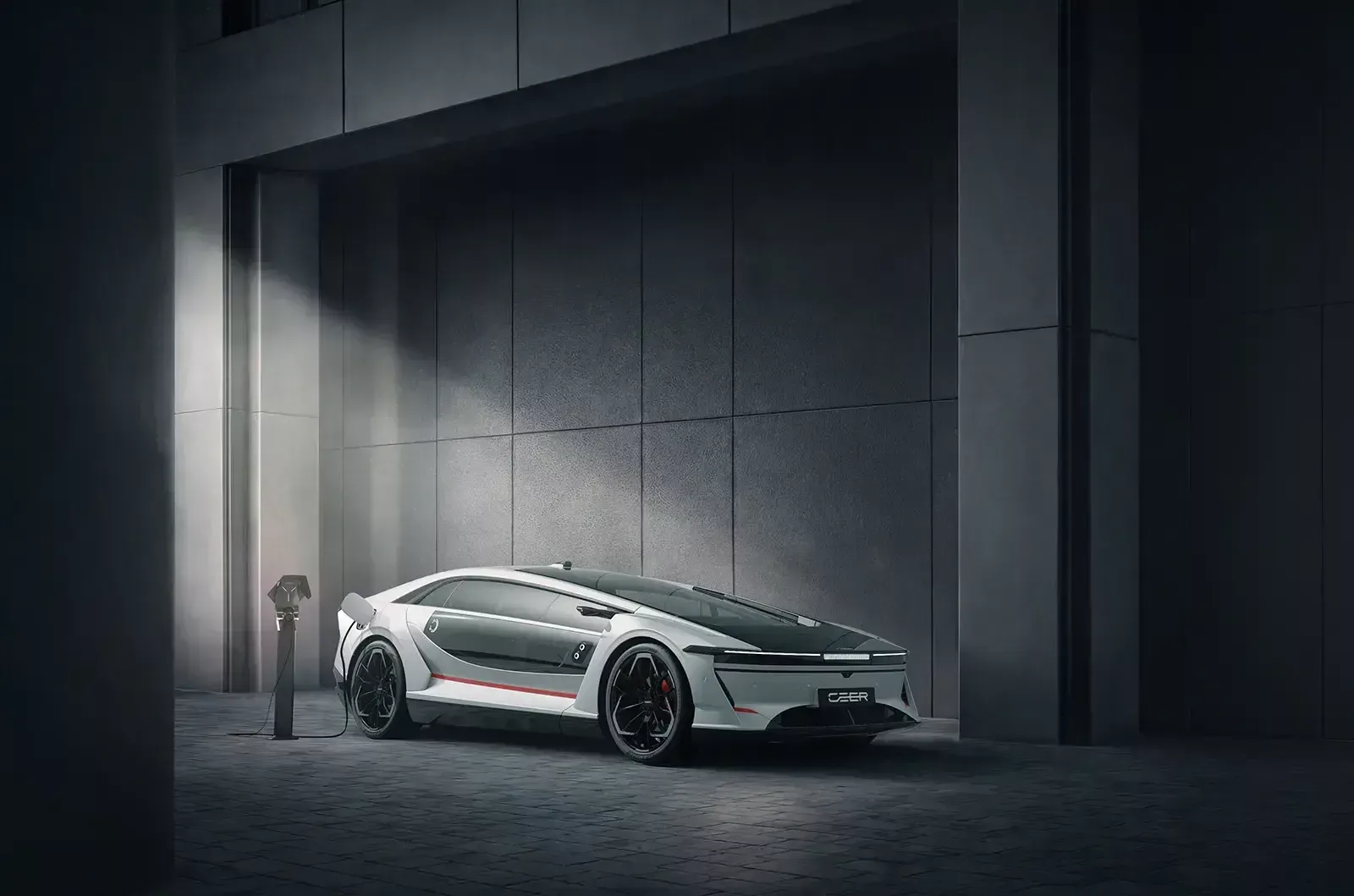
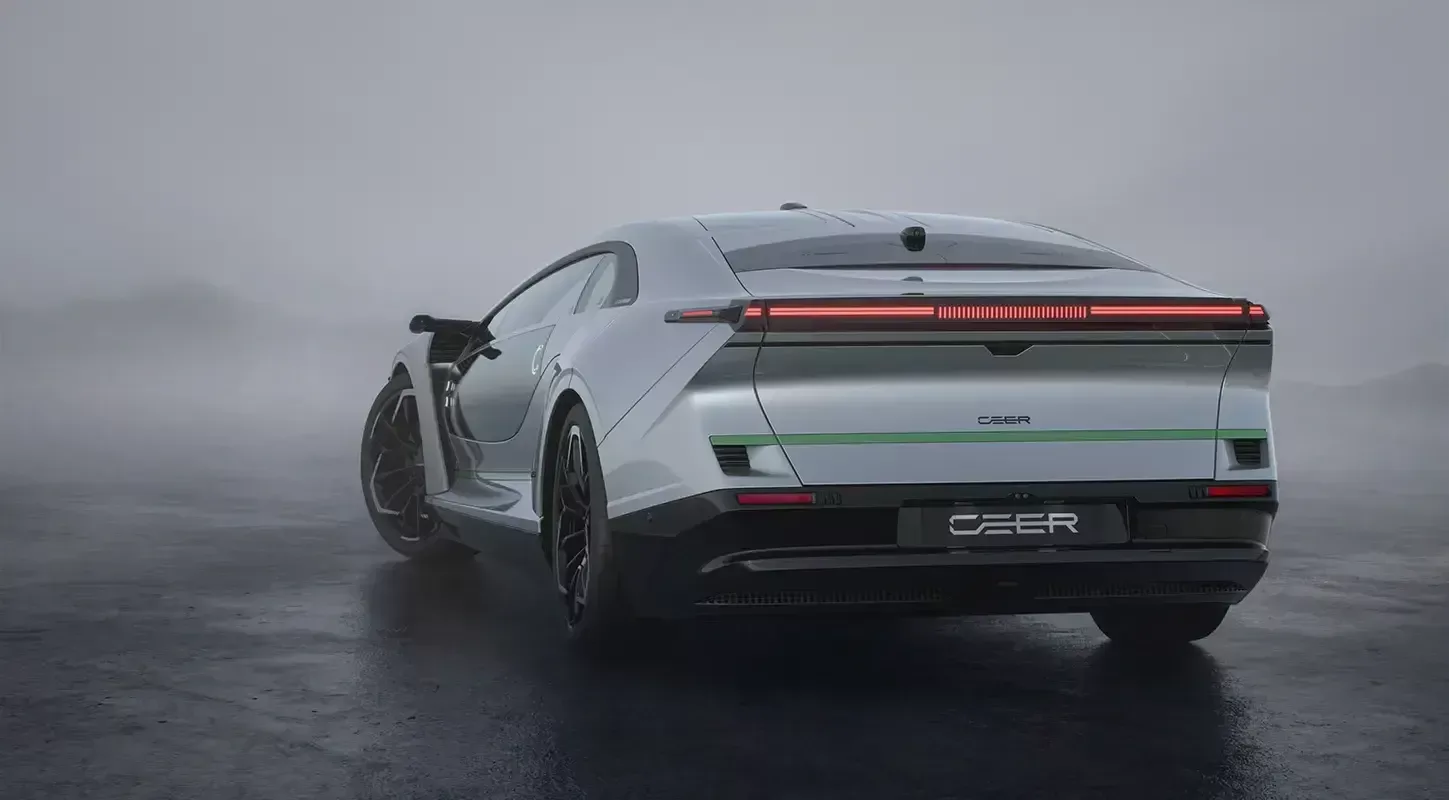
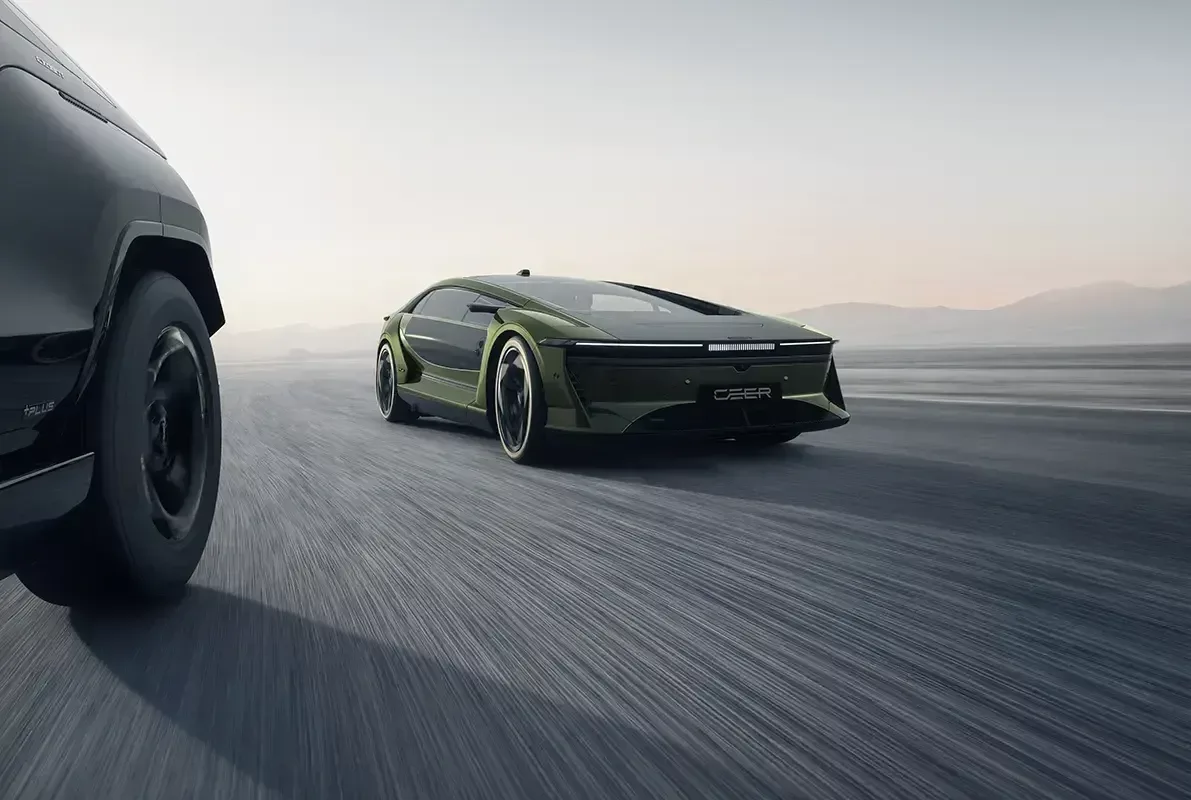
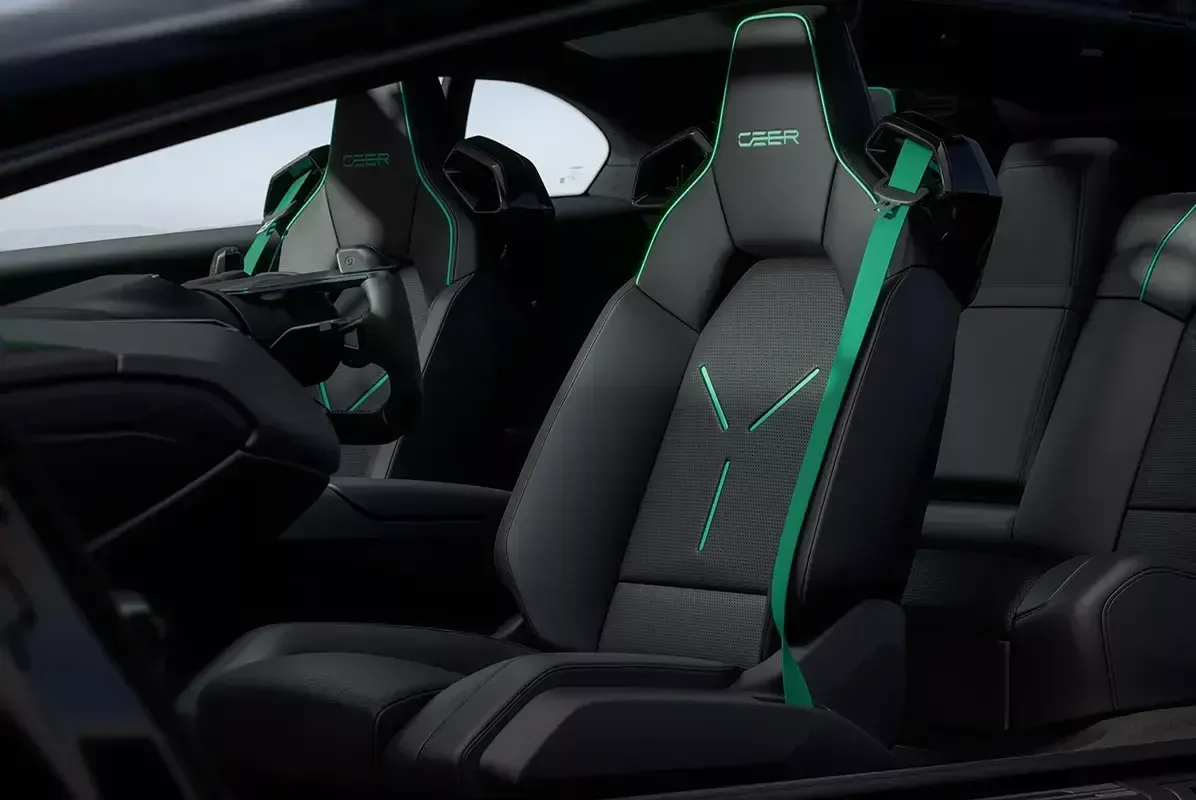
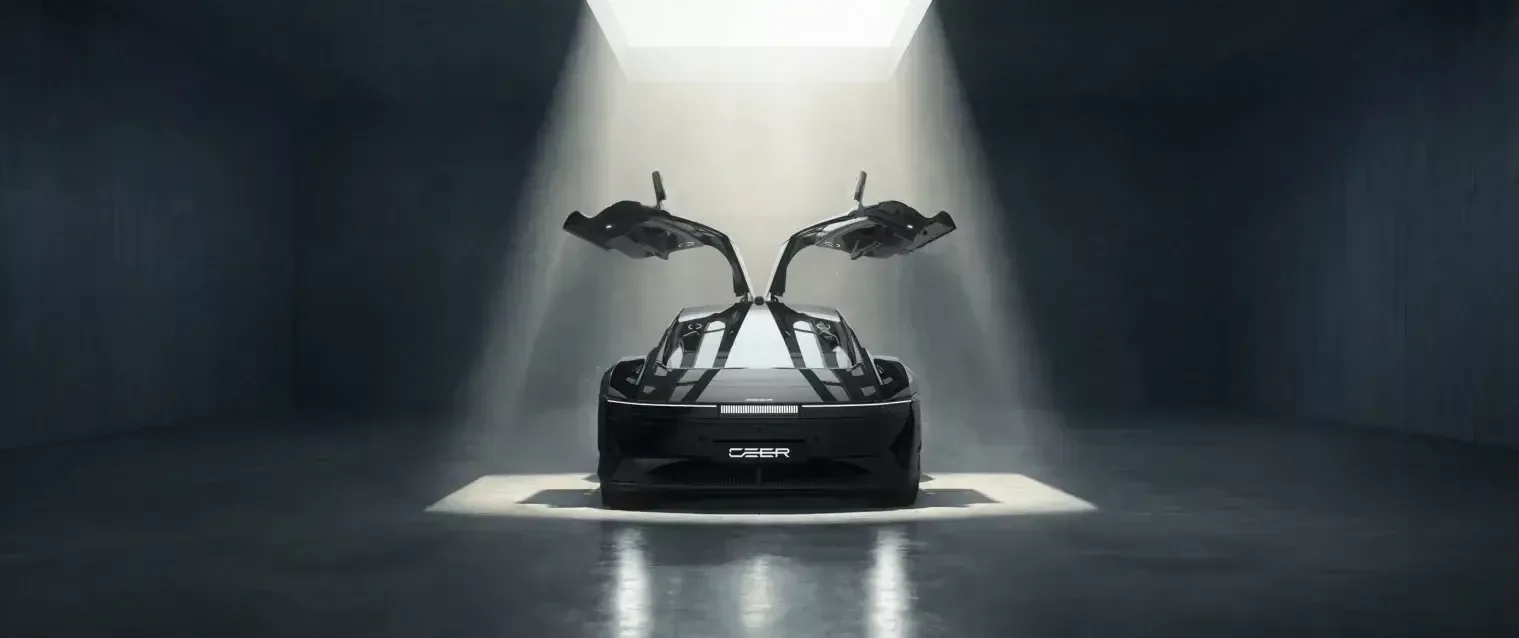
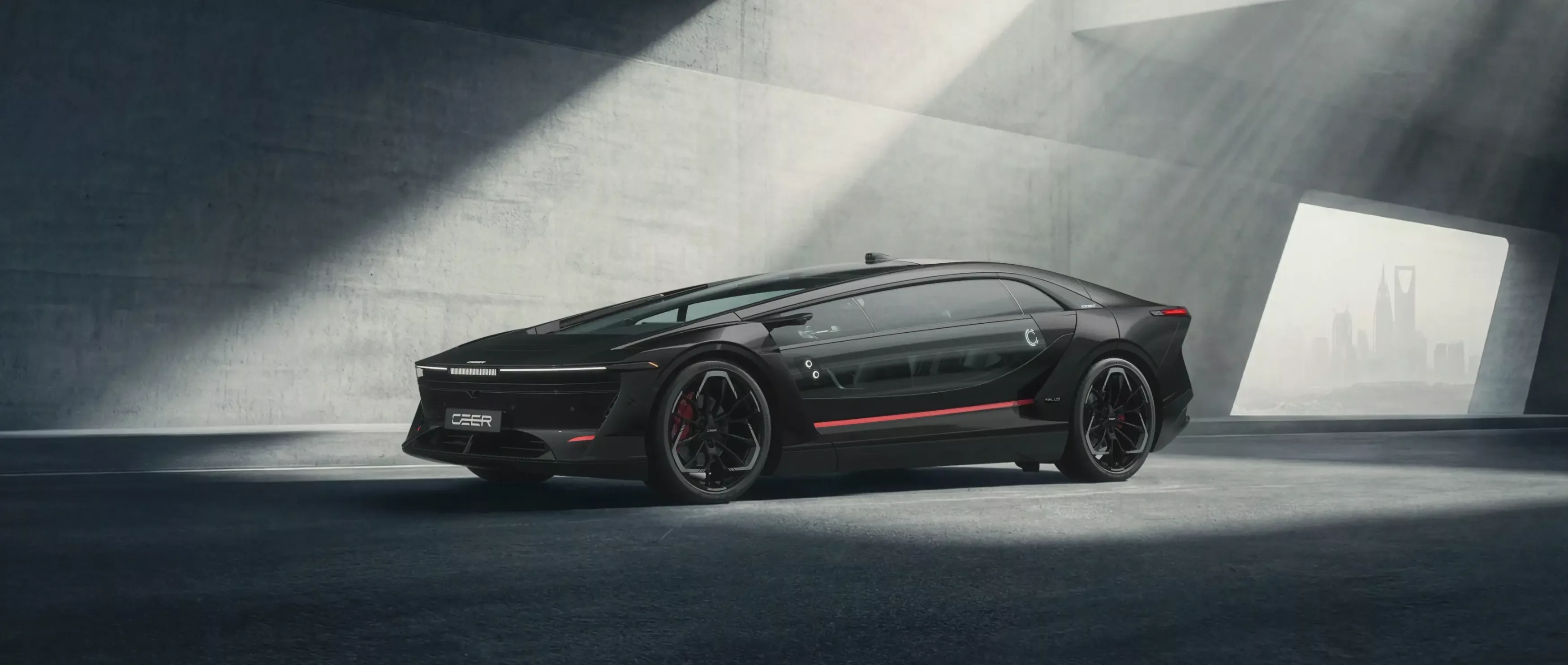
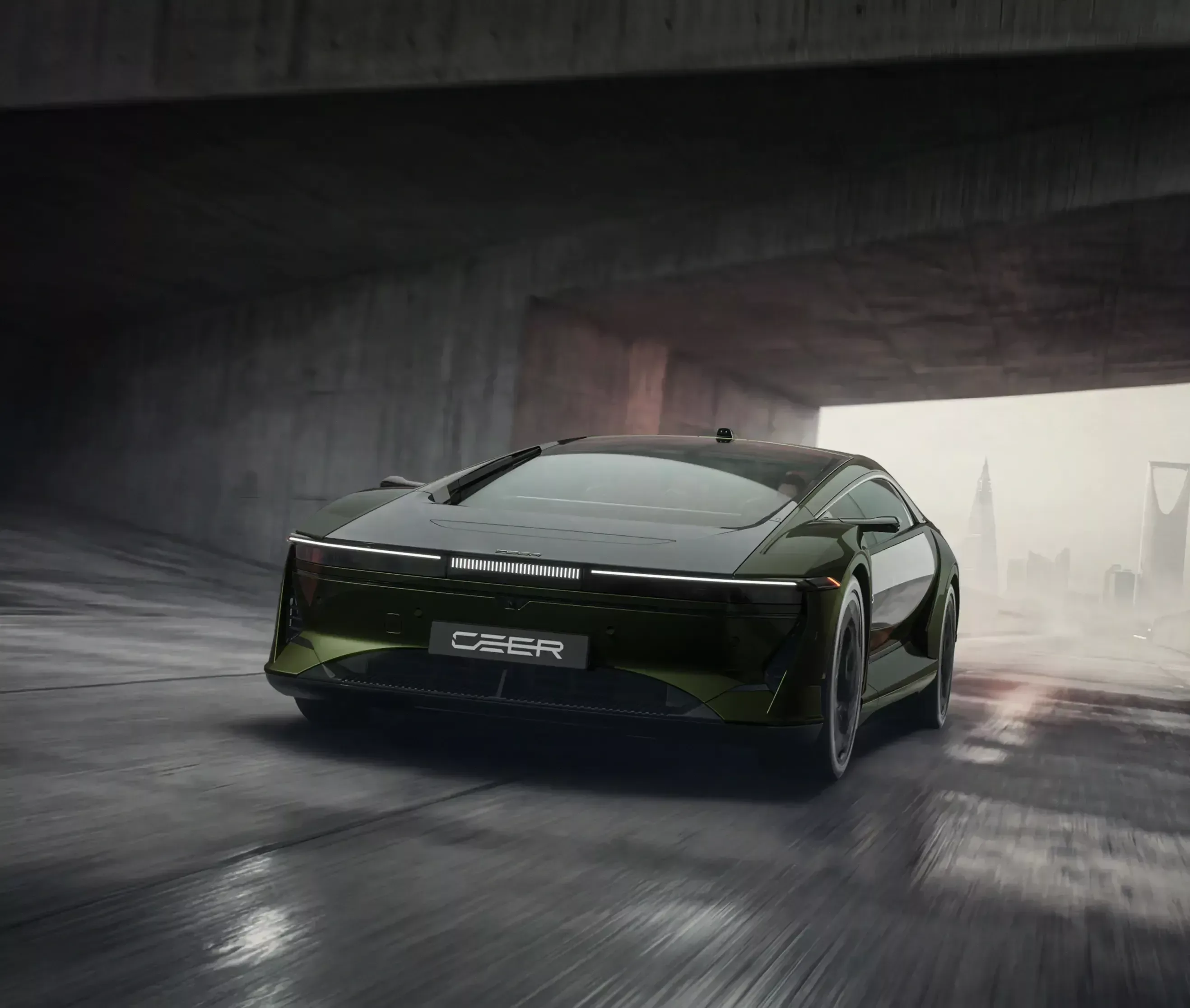
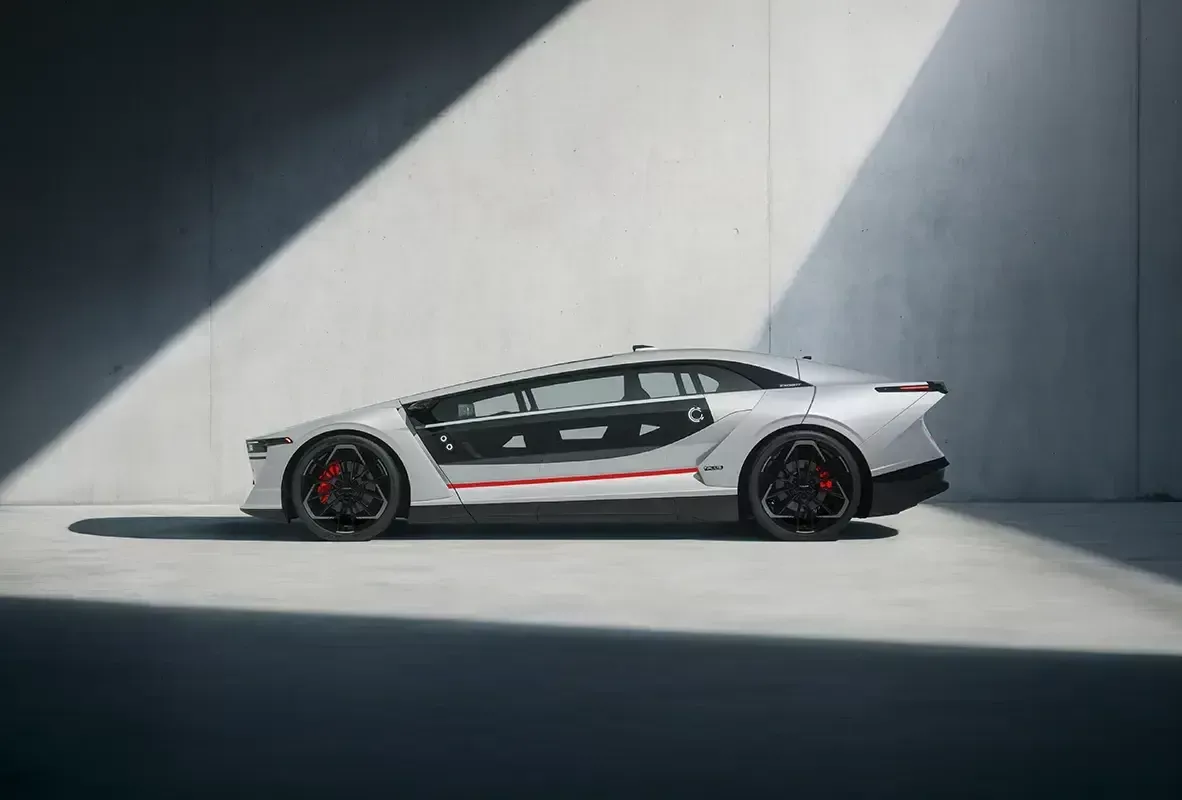
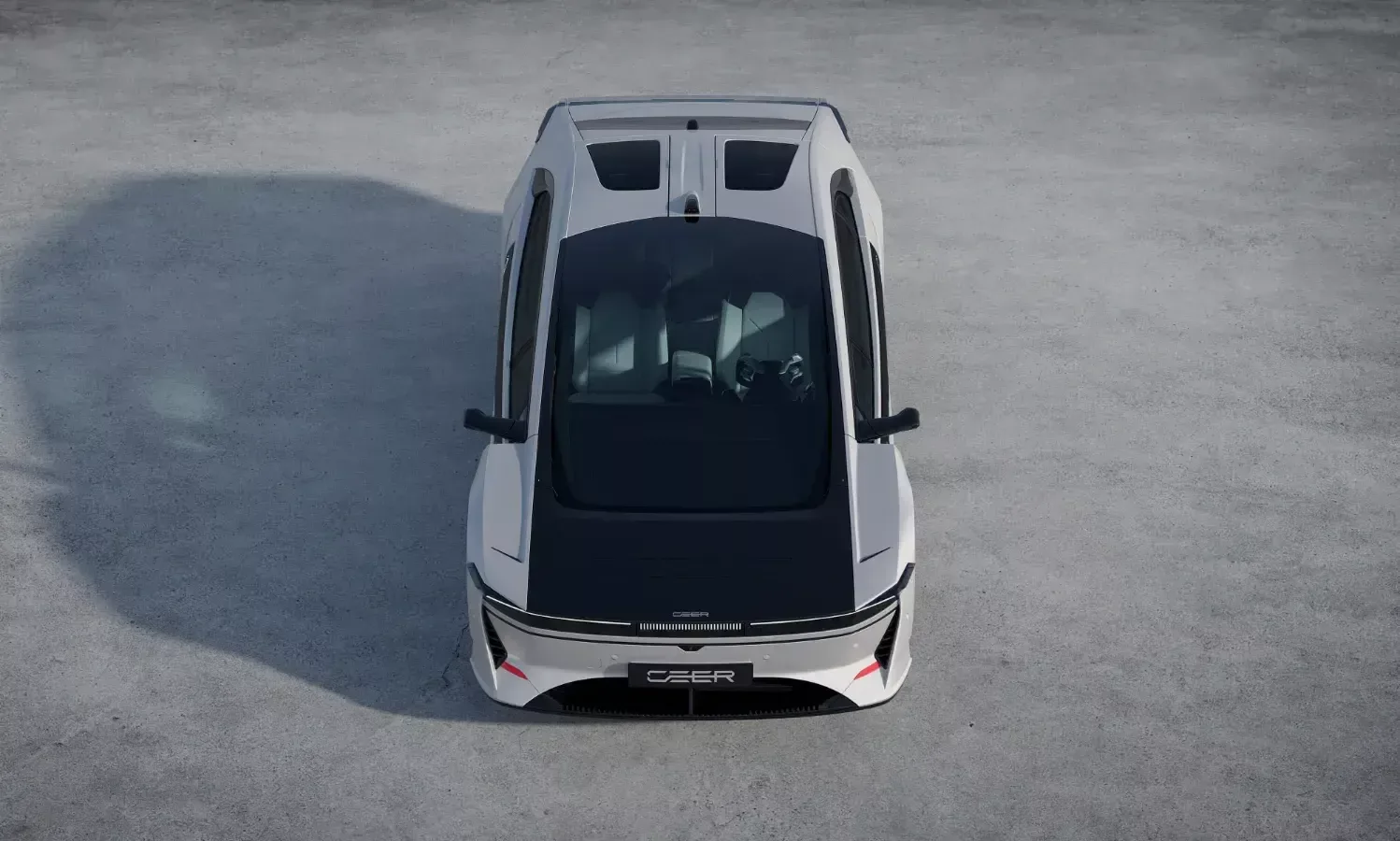
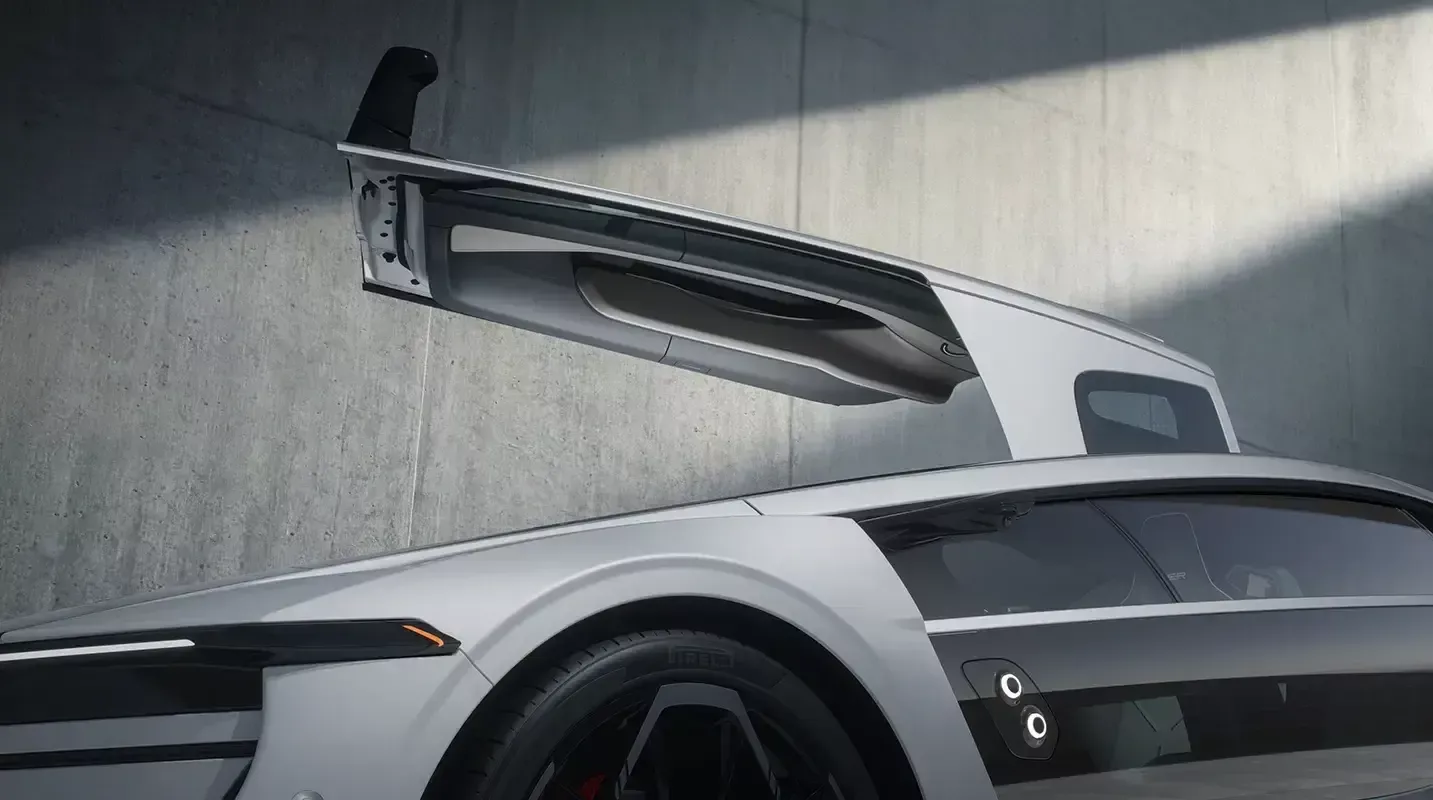
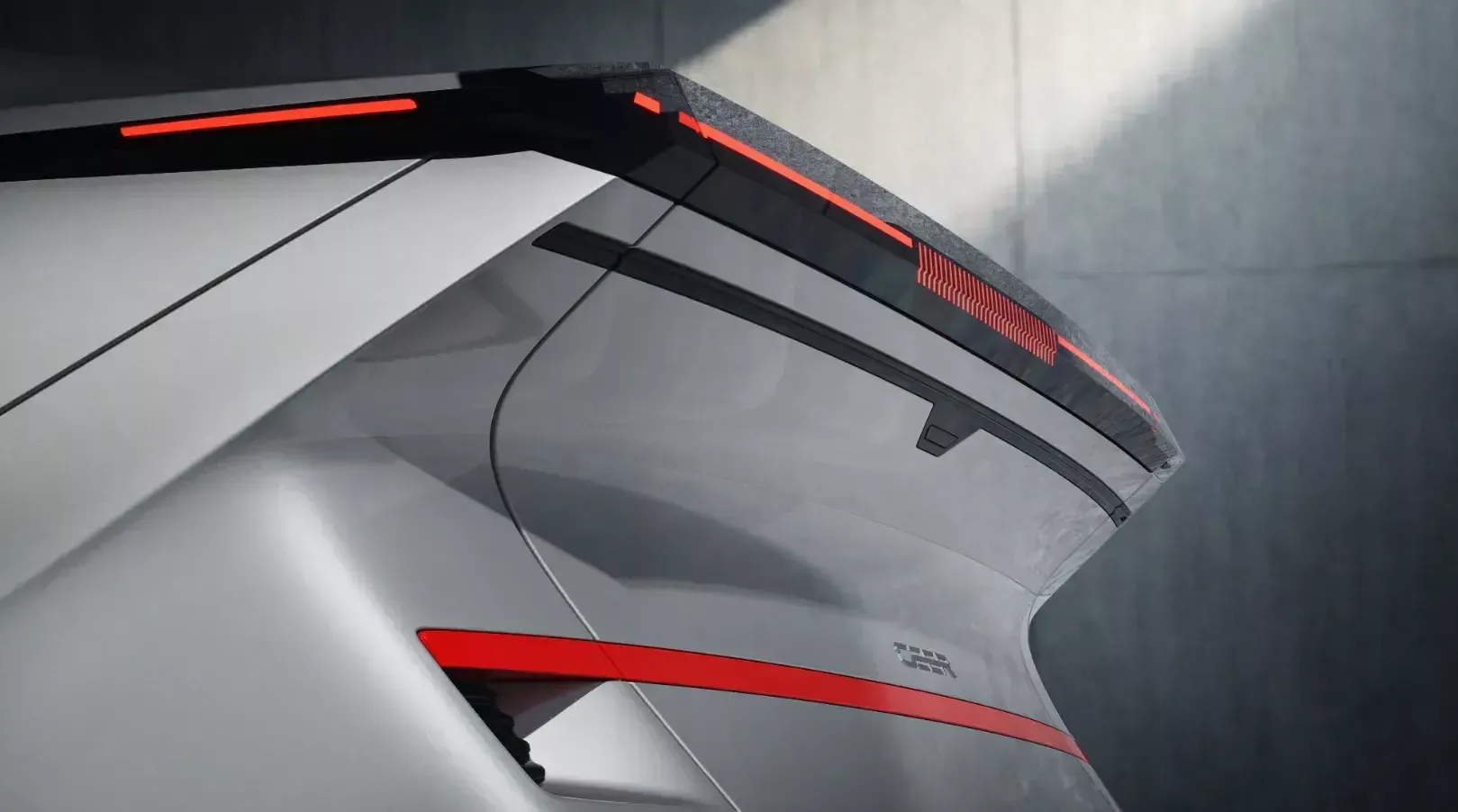
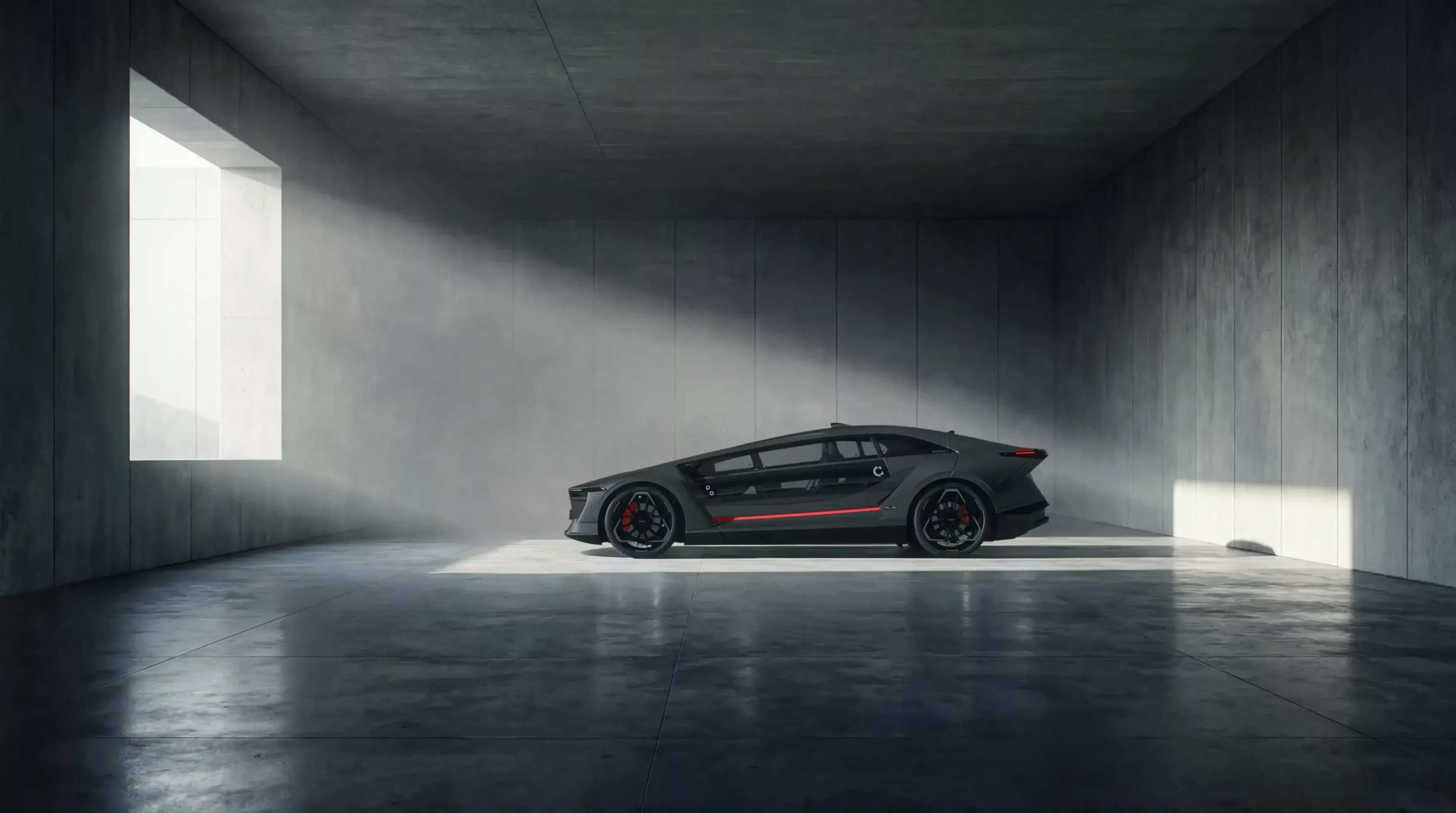
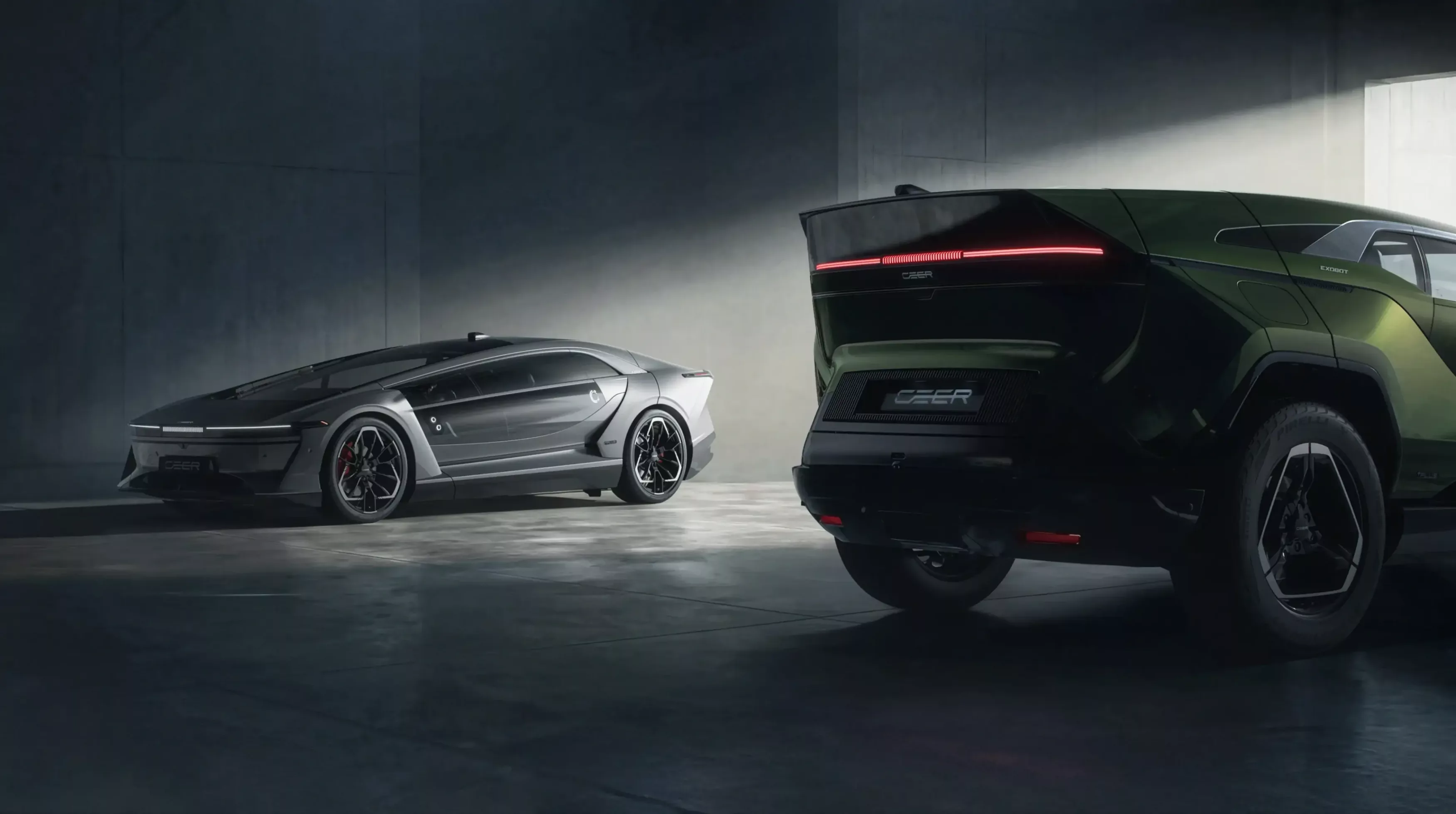
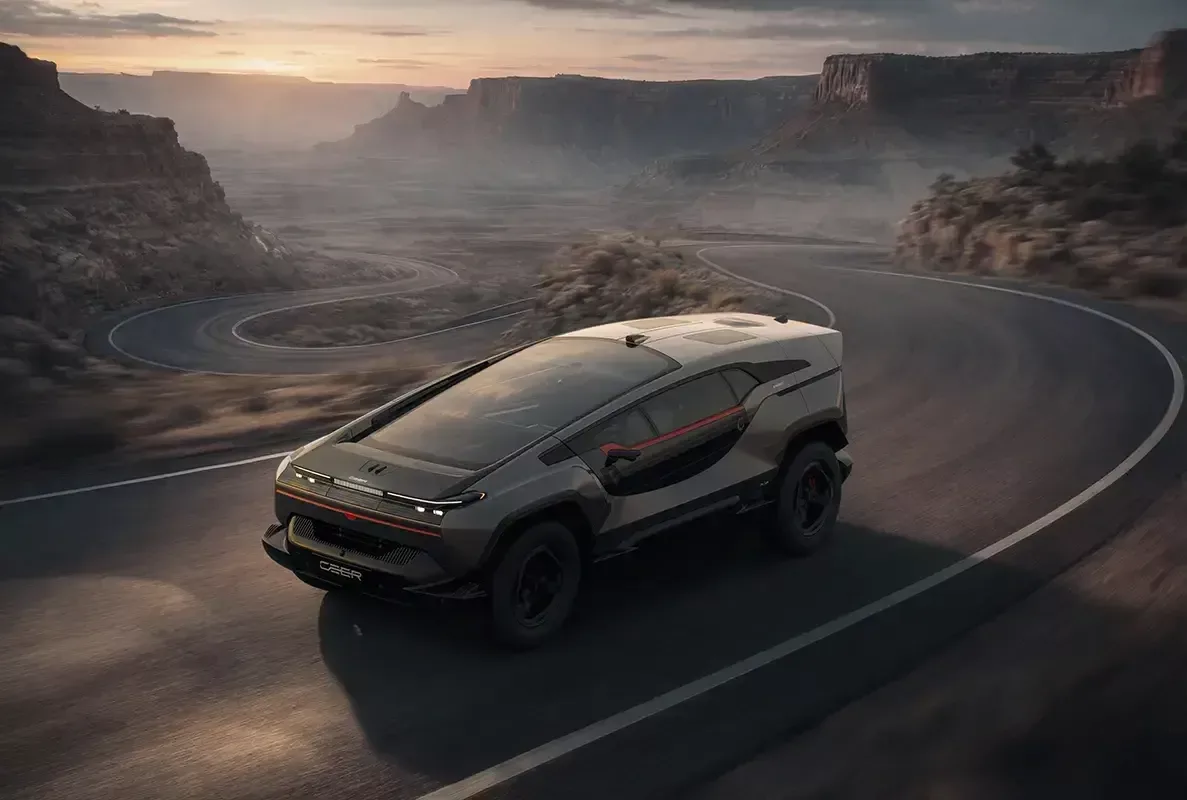
Saudi Arabia wants to become a carmaker as well as an oil state, and its first domestic brand, Ceer, is not starting with a Dacia rival. The Exobot will be offered as a saloon and an SUV, developing up to 817 kW from three electric motors, with nearly three-metre upward-opening doors and a 2.4-metre windscreen. The saloon accelerates to 100 km/h in 2.1 seconds.
Ceer is not simply another start-up with an optimistic-looking venture capitalist standing next to its concept car. The company was founded in 2022 by Saudi Arabia’s Public Investment Fund, PIF, and Taiwan’s Foxconn. The Exobot’s EV architecture comes from Foxconn, BMW contributes to its development, and the cars will be built at a plant in Saudi Arabia’s King Abdullah Economic City.
The initial version gets 625 kW
The wildest 817 kW, 1,500 Nm Exobot will not go on sale immediately. Ceer will begin with the First Edition, whose three electric motors deliver a combined output of approximately 625 kW and 1,000 Nm of torque.
The saloon accelerates from 0 to 100 km/h in 2.6 seconds, while the SUV does so in 2.9 seconds. The 112 kWh battery promises up to 670 km of range for the saloon and 560 km for the SUV. The 800 V electrical system enables the battery to be charged from 10 to 80 per cent in less than 30 minutes.
Later, the top version’s output will rise to around 817 kW and torque to 1,500 Nm. The saloon should then reach 100 km/h in 2.1 seconds and the SUV in 2.4 seconds. Their top speeds are 250 and 210 km/h respectively.
At least on paper, these figures place the Exobot directly among the elite of electric performance cars. With a new car brand, however, there is one important difference: publishing technical specifications is considerably easier than producing thousands of high-quality cars.
No B-pillar, but plenty of screens
Calling the Exobot’s design restrained would be enough to set the dictionary on fire. The saloon is 5.26 metres long and 2.10 metres wide, while the SUV is 5.02 metres long and likewise 2.10 metres wide.
Both have nearly three-metre-long, upward-opening Shahin Wing doors. There is no conventional B-pillar. To ensure structural rigidity, Ceer uses ultra-high-strength materials as well as cast and stamped aluminium structures.
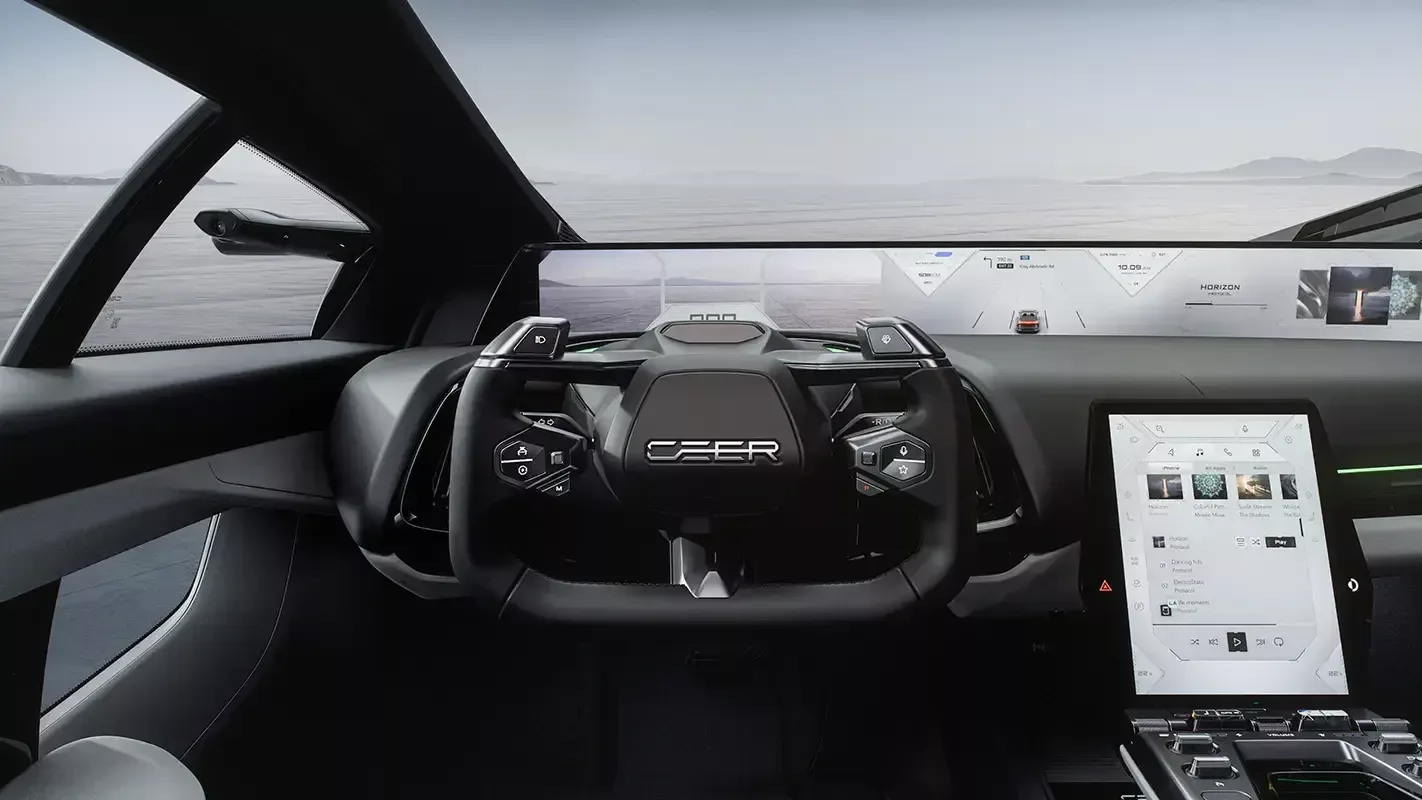
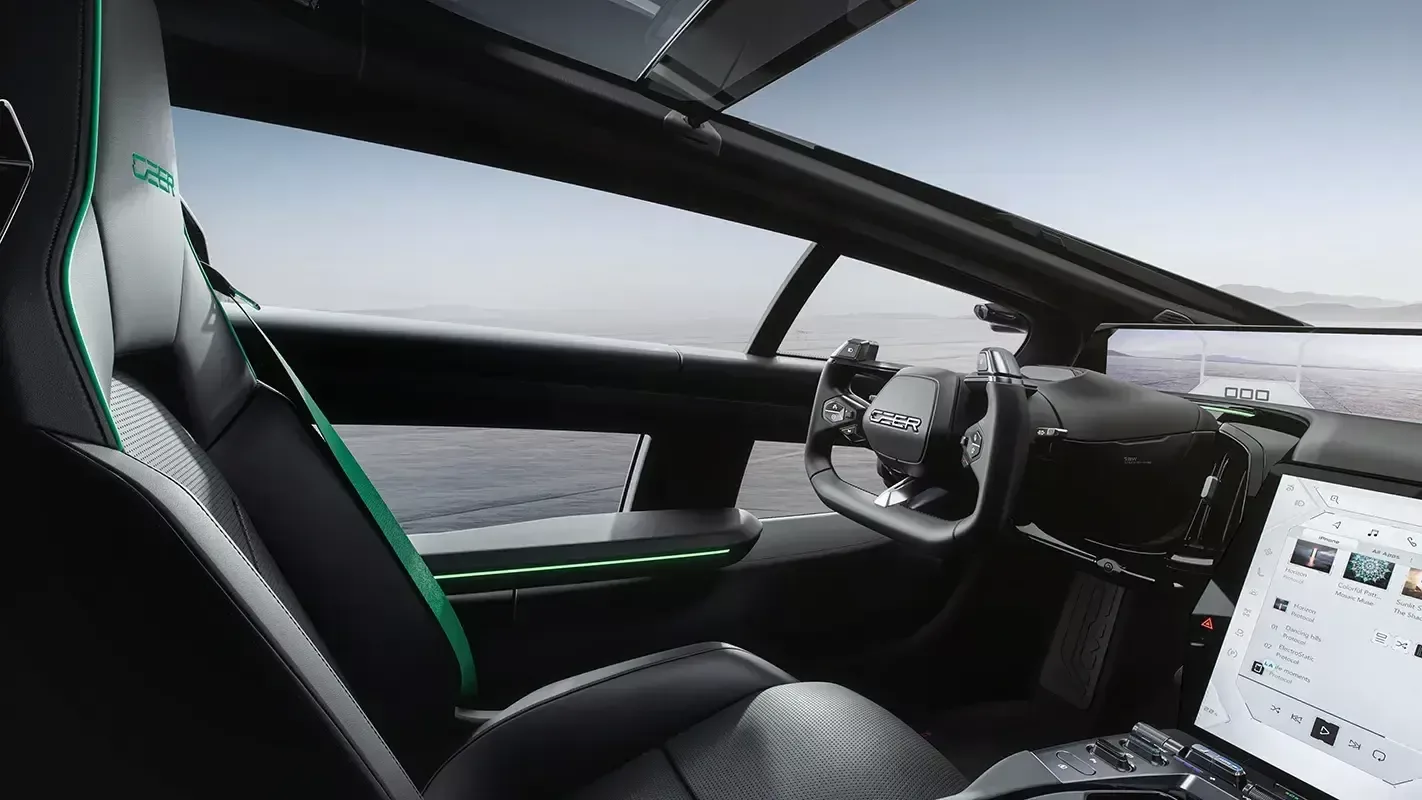
Even more striking is the 2.4-metre windscreen, angled at just 15 degrees. In Saudi Arabia’s hot climate, such an enormous glass surface initially sounds almost like a punishment, which is why Ceer uses solar-reflective coatings and a powerful cooling system. According to the manufacturer, the air-conditioning system can reduce an interior temperature of 65°C to 32°C in ten minutes.
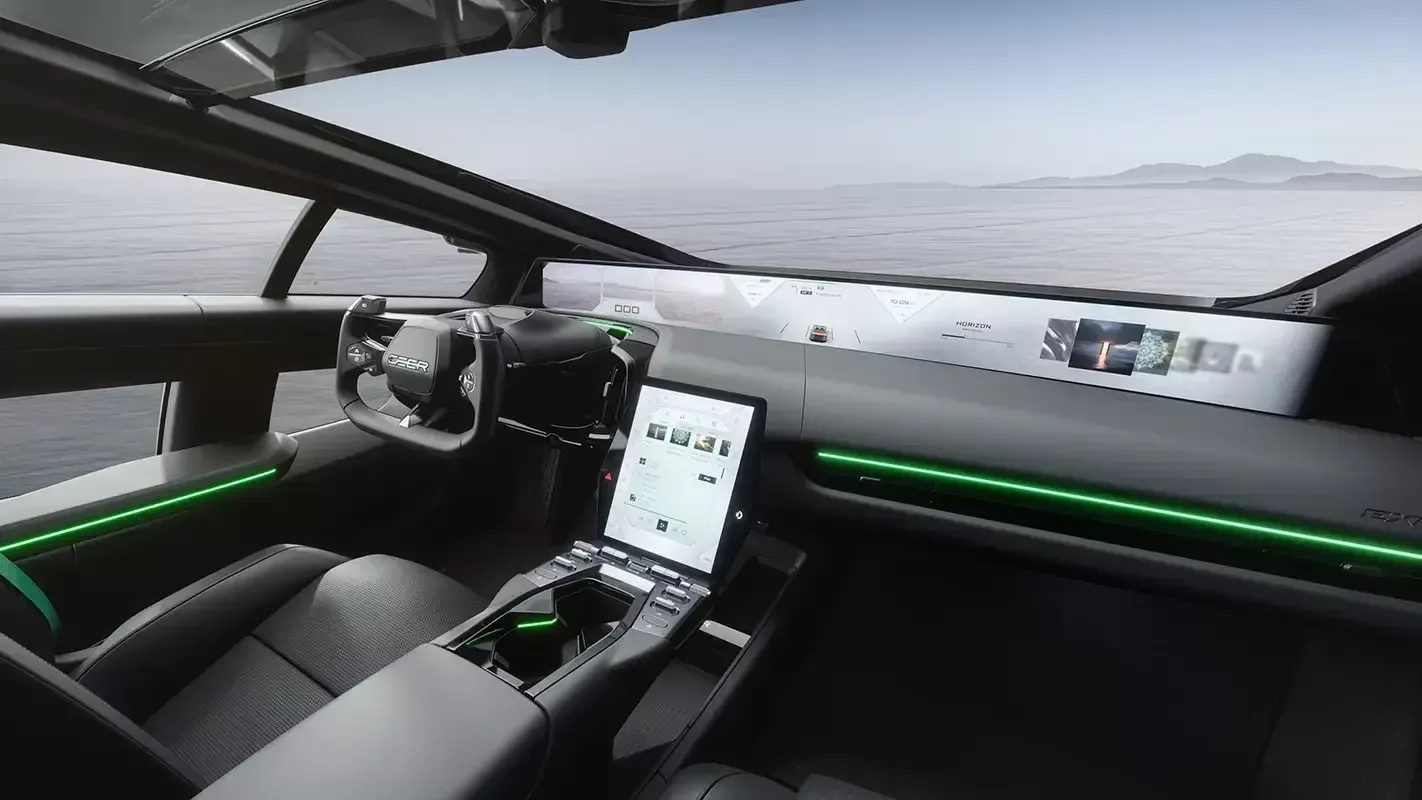
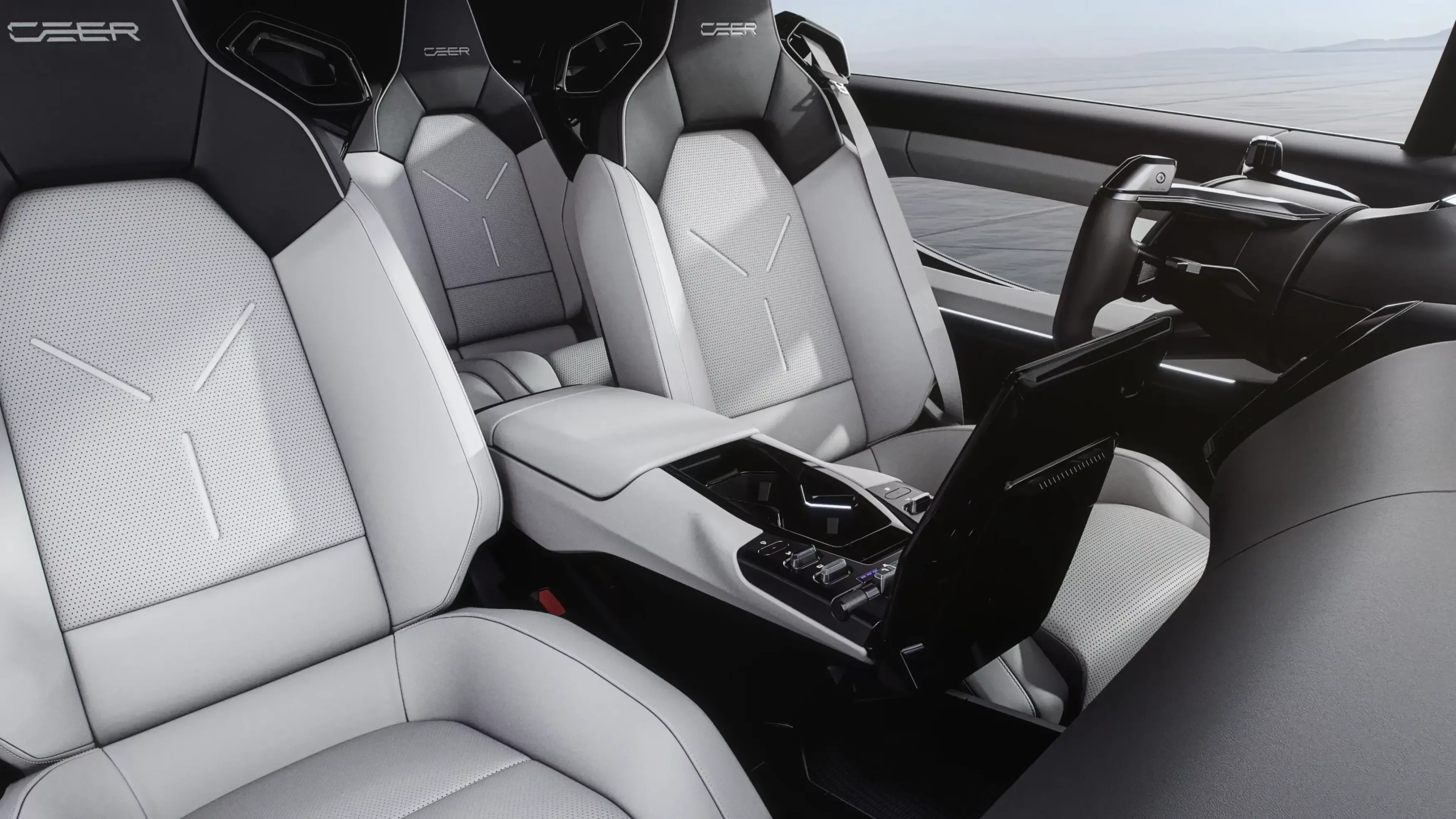
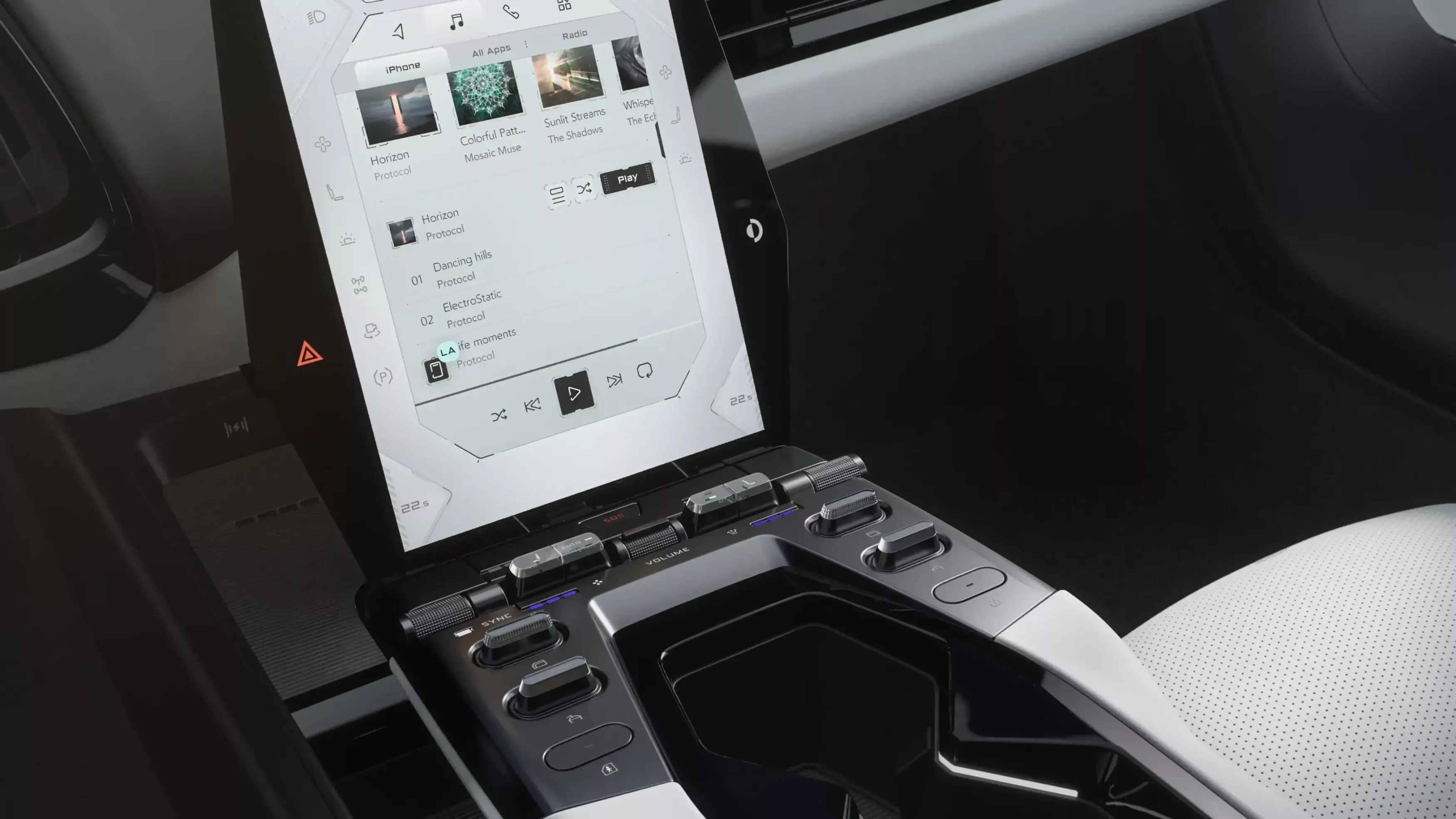
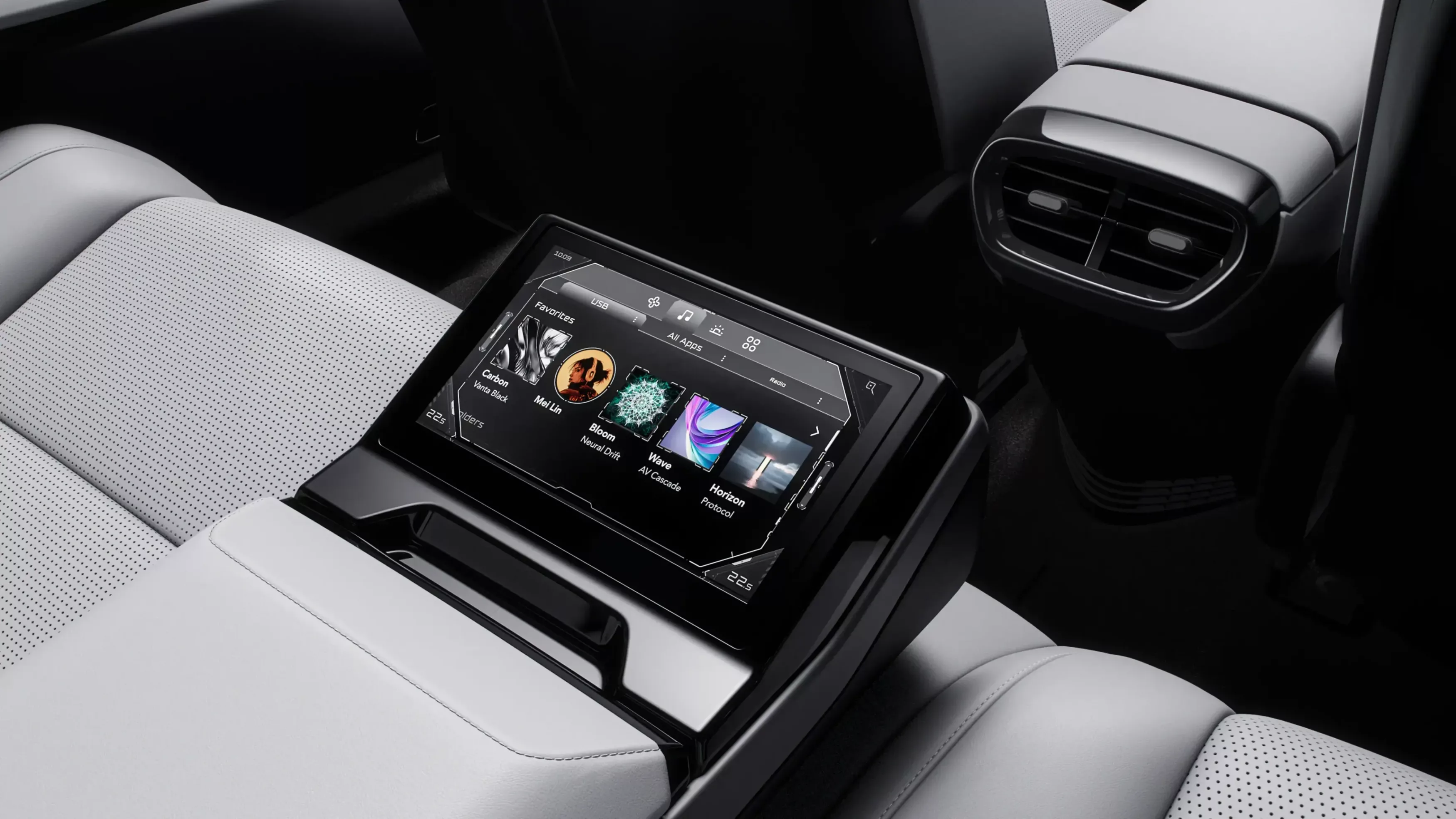
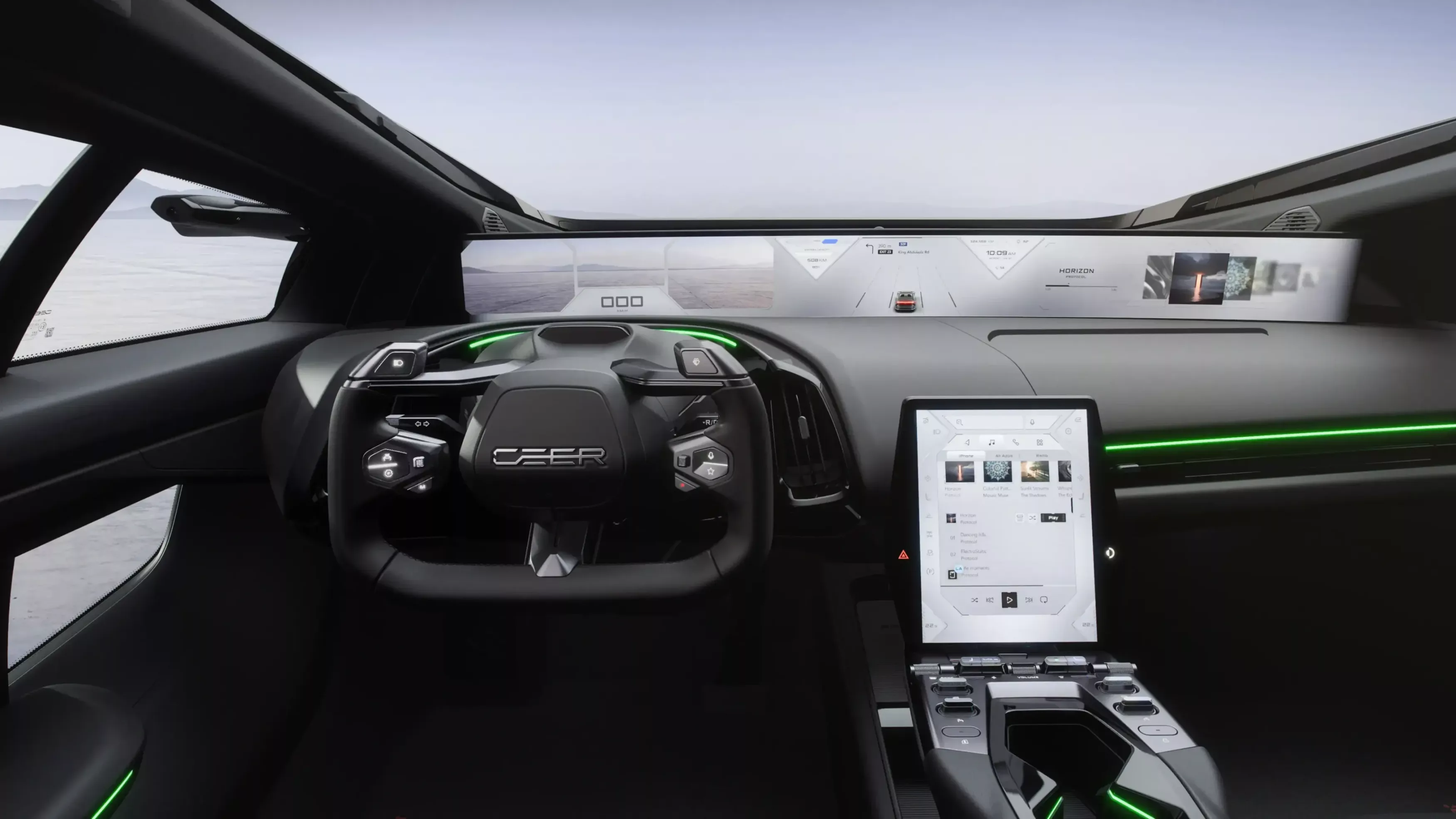
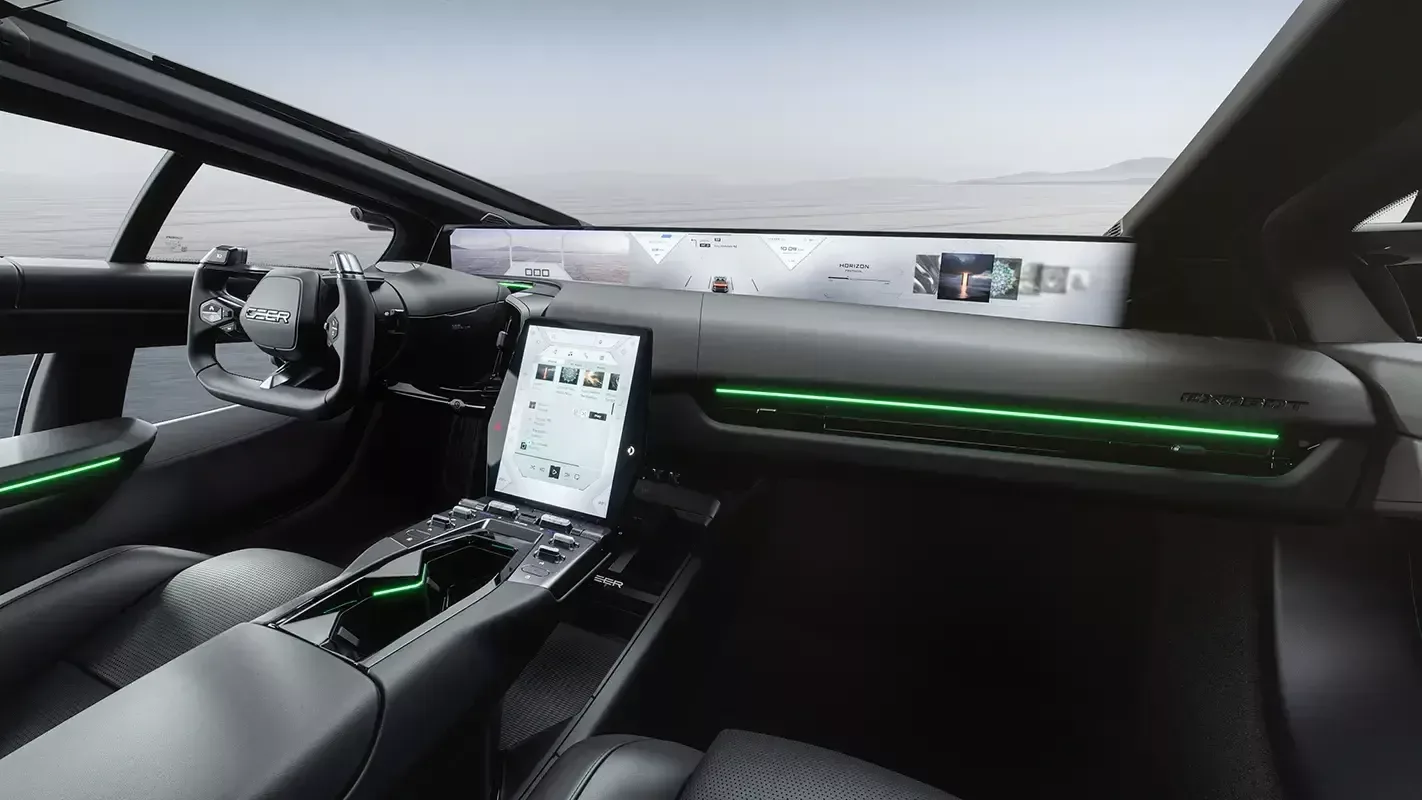
A 48-inch 8K display stretches above the dashboard. Passengers also get a 10.4-inch central display and an 8-inch rear display. The steering system operates without a mechanical steering column, and the rear wheels also steer. Steering travel from lock to lock is reduced from the usual roughly 400 degrees to 160 degrees.
Saudi Arabia genuinely wants an automotive industry
The Exobot’s significance, however, does not lie in its 2.1-second acceleration. Saudi Arabia has previously tried to establish a domestic automotive industry, but those projects went nowhere. According to Reuters, Toyota abandoned a local manufacturing project in 2019, in part because of high labour costs and an inadequate supplier network.
In Ceer’s case, that problem is being tackled in reverse order. Lear, Benteler, Shin Young and other suppliers are establishing manufacturing operations in Saudi Arabia, while Ceer aims to source 45 per cent of the cars’ materials locally by 2034.
The Exobot is only the beginning. Ceer plans a total of seven models by 2030, and the company is no longer even purely an EV manufacturer. Its future range will also include plug-in hybrids and cars with internal combustion engines. That is a fairly pragmatic shift for a company originally created to manufacture electric vehicles.
Ceer is not rushing into Europe for now. Sales will begin in Saudi Arabia in early 2027, and from 2028 the company aims to expand into neighbouring countries, followed by other markets in the Middle East and North Africa. Future volume models will nevertheless be designed to meet international requirements.
For now, that makes Ceer a competitor worth watching rather than a direct threat to European carmakers. China has already shown how quickly a marginal electric-car industry can become a headache for European manufacturers. Saudi Arabia has at least one advantage that most start-ups typically lack: money is not the project’s most obvious bottleneck.


