
Nissan finally brings e-Power to the US: the new Rogue uses gasoline, but only electric motors drive the wheels
 1/18
1/18
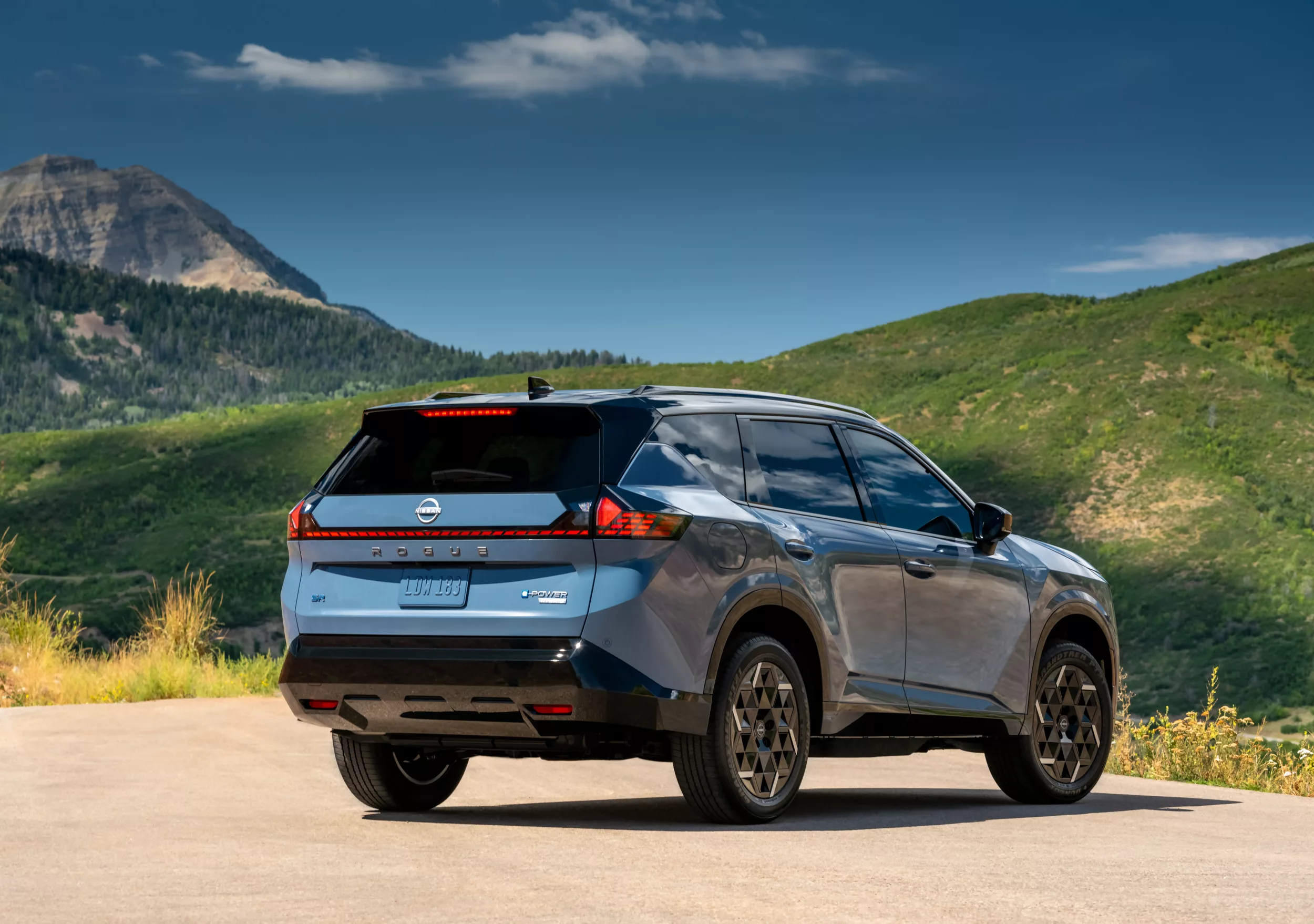
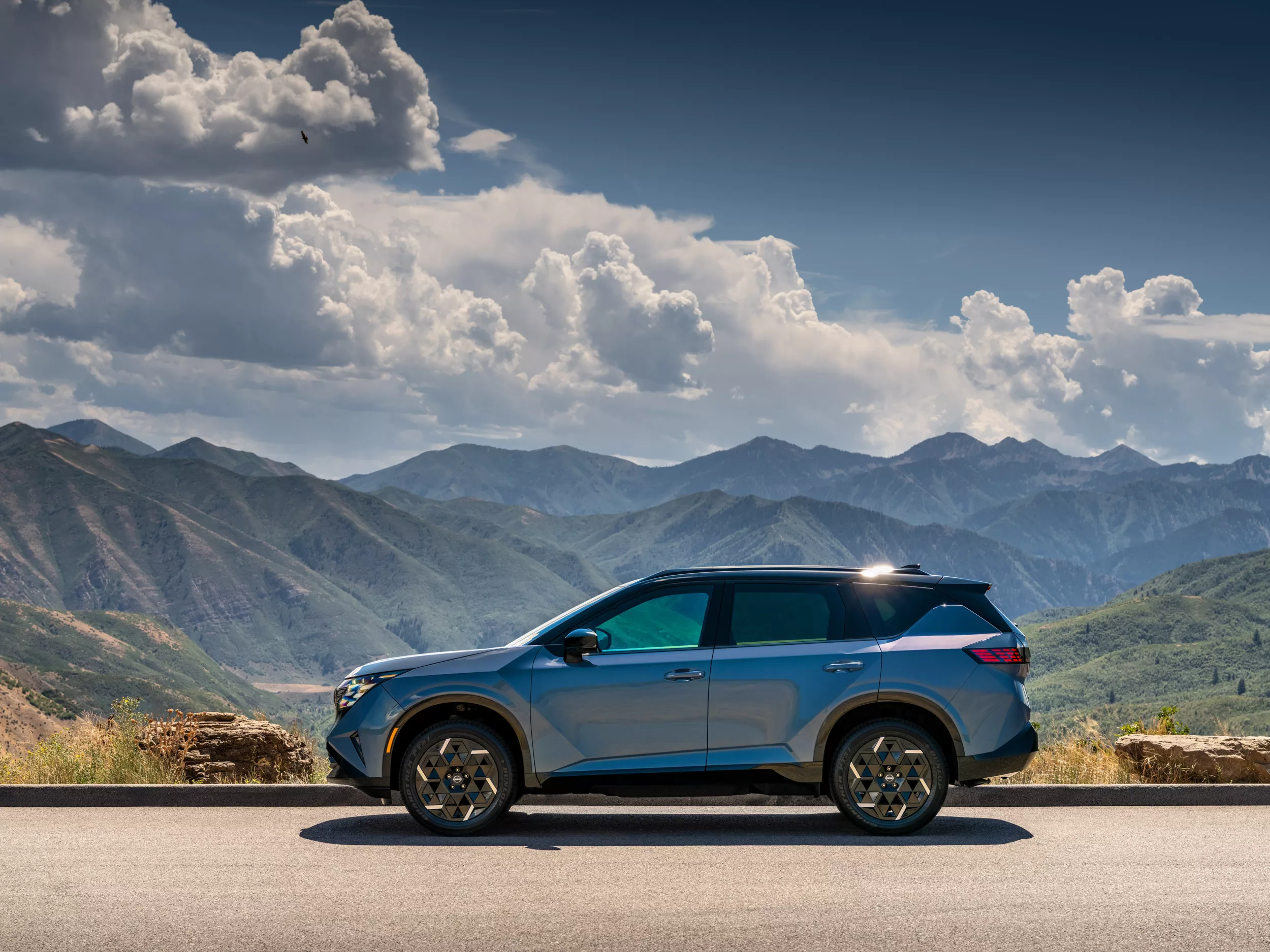
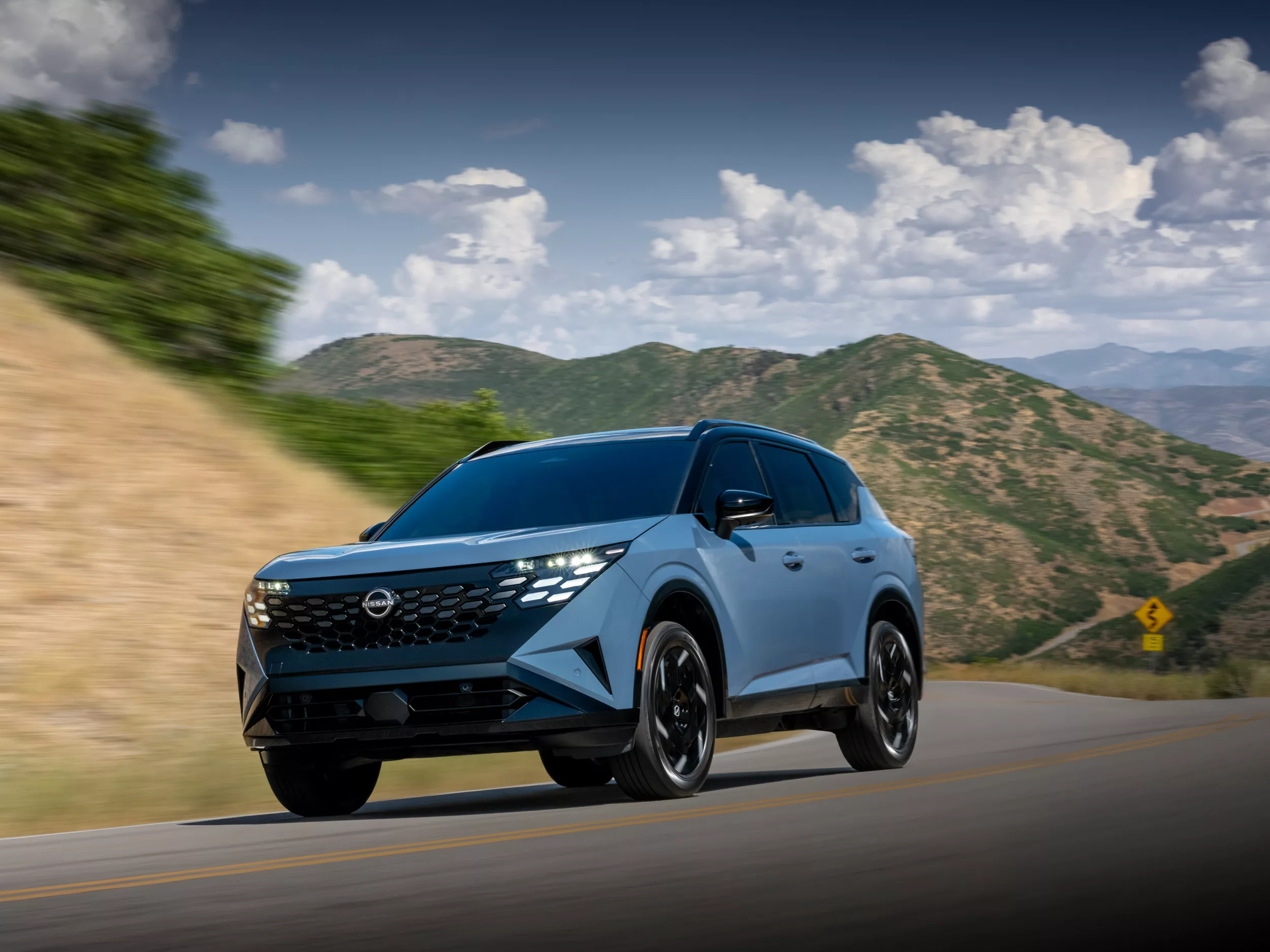
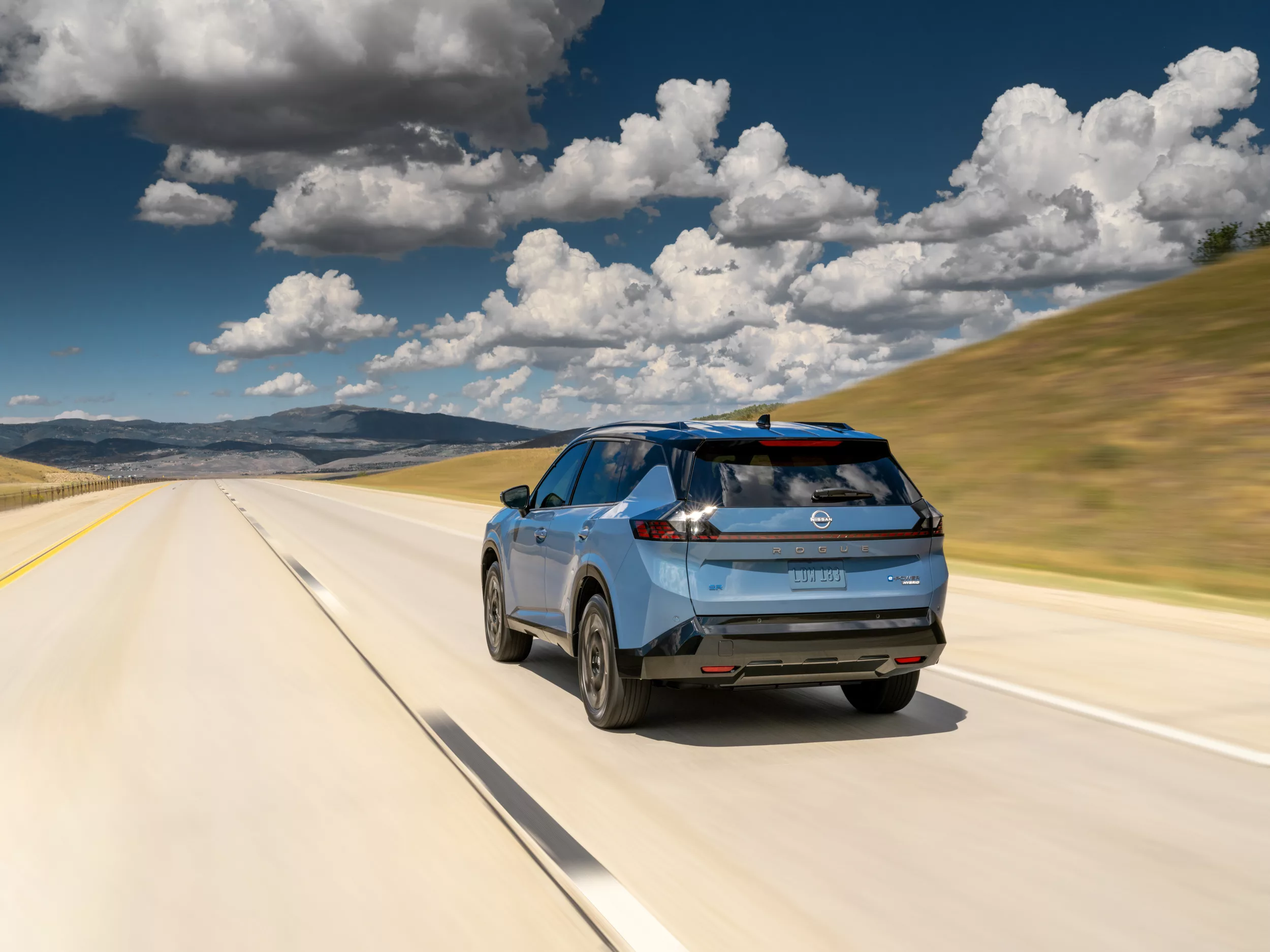
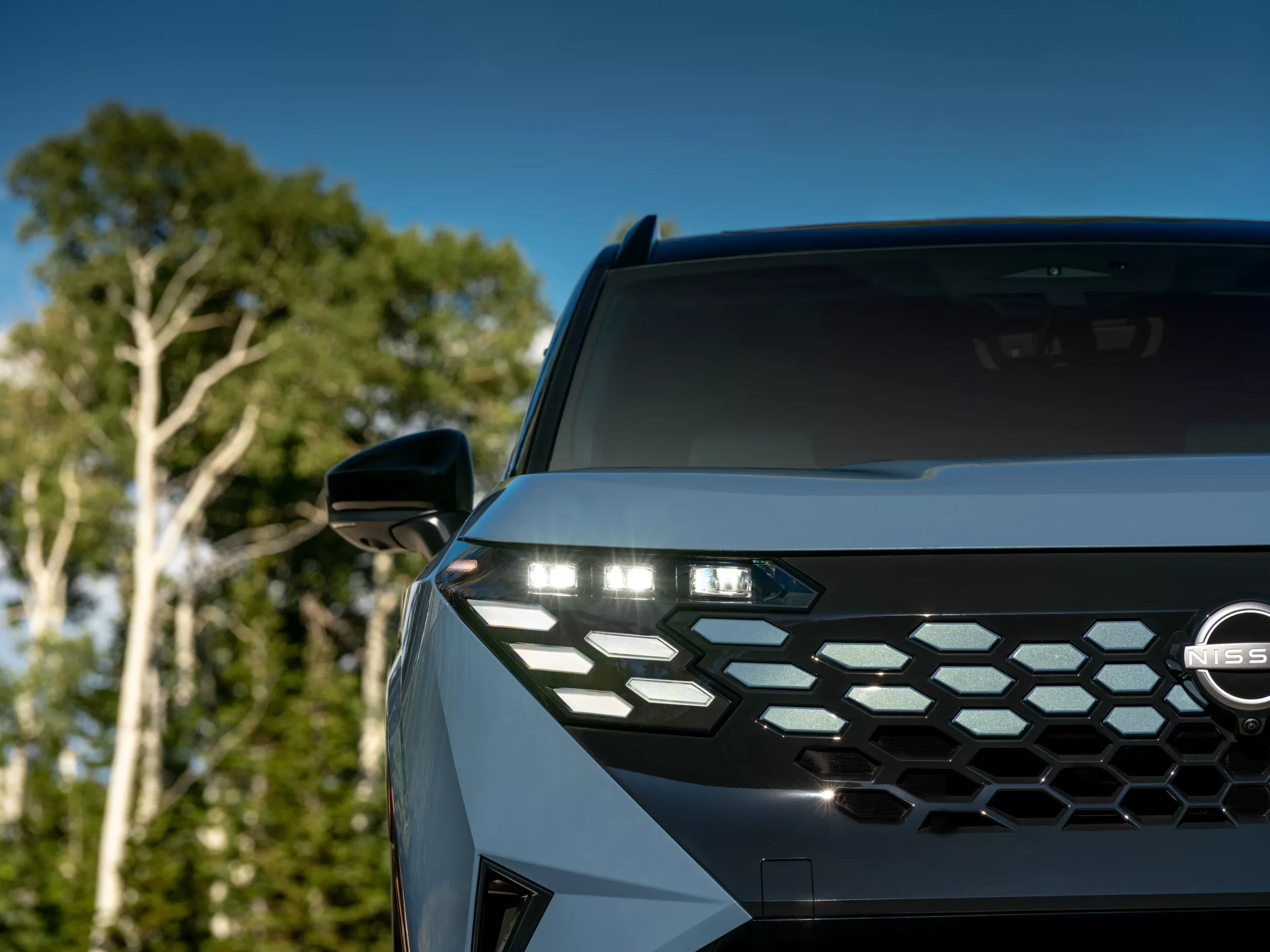
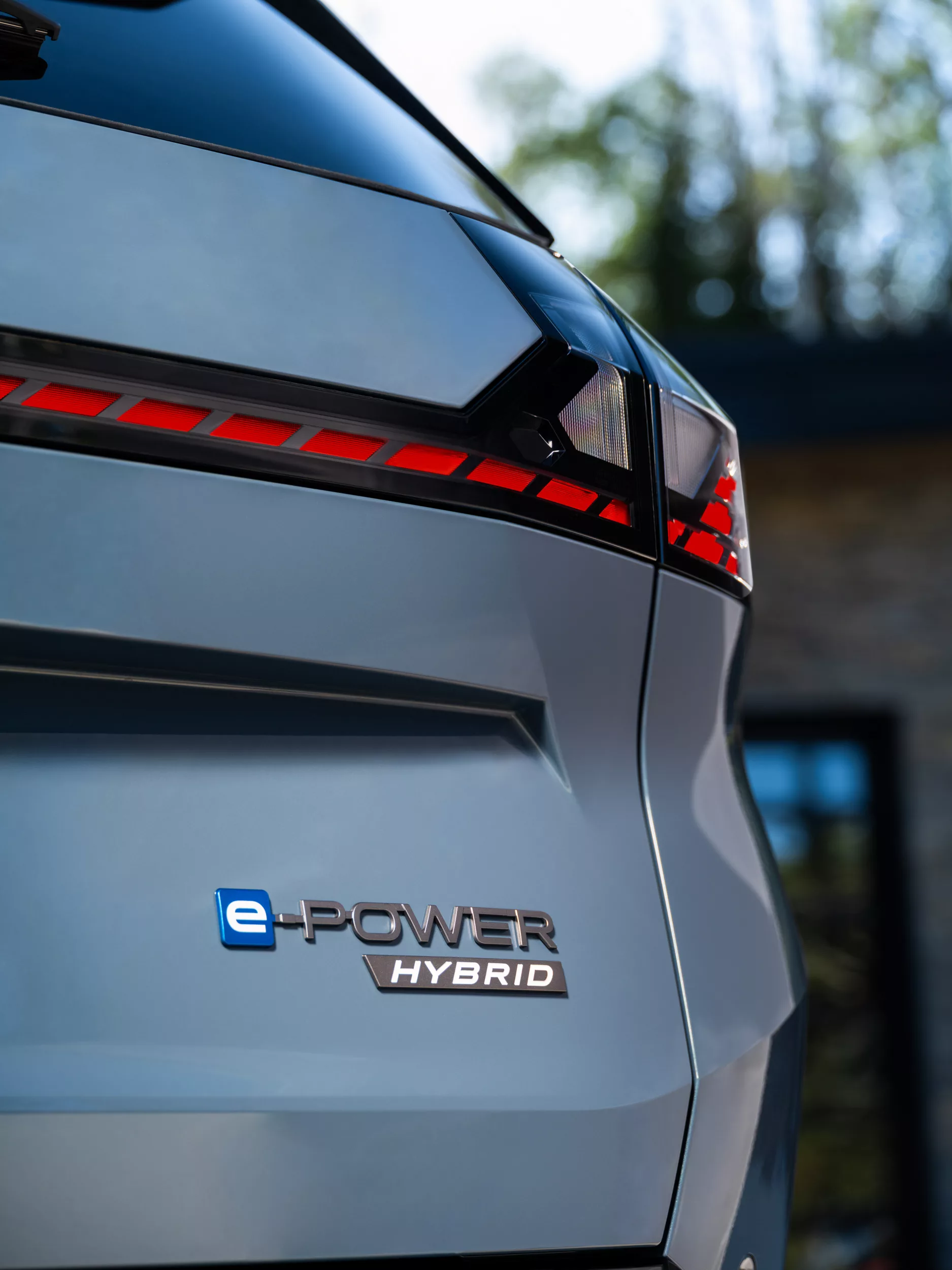
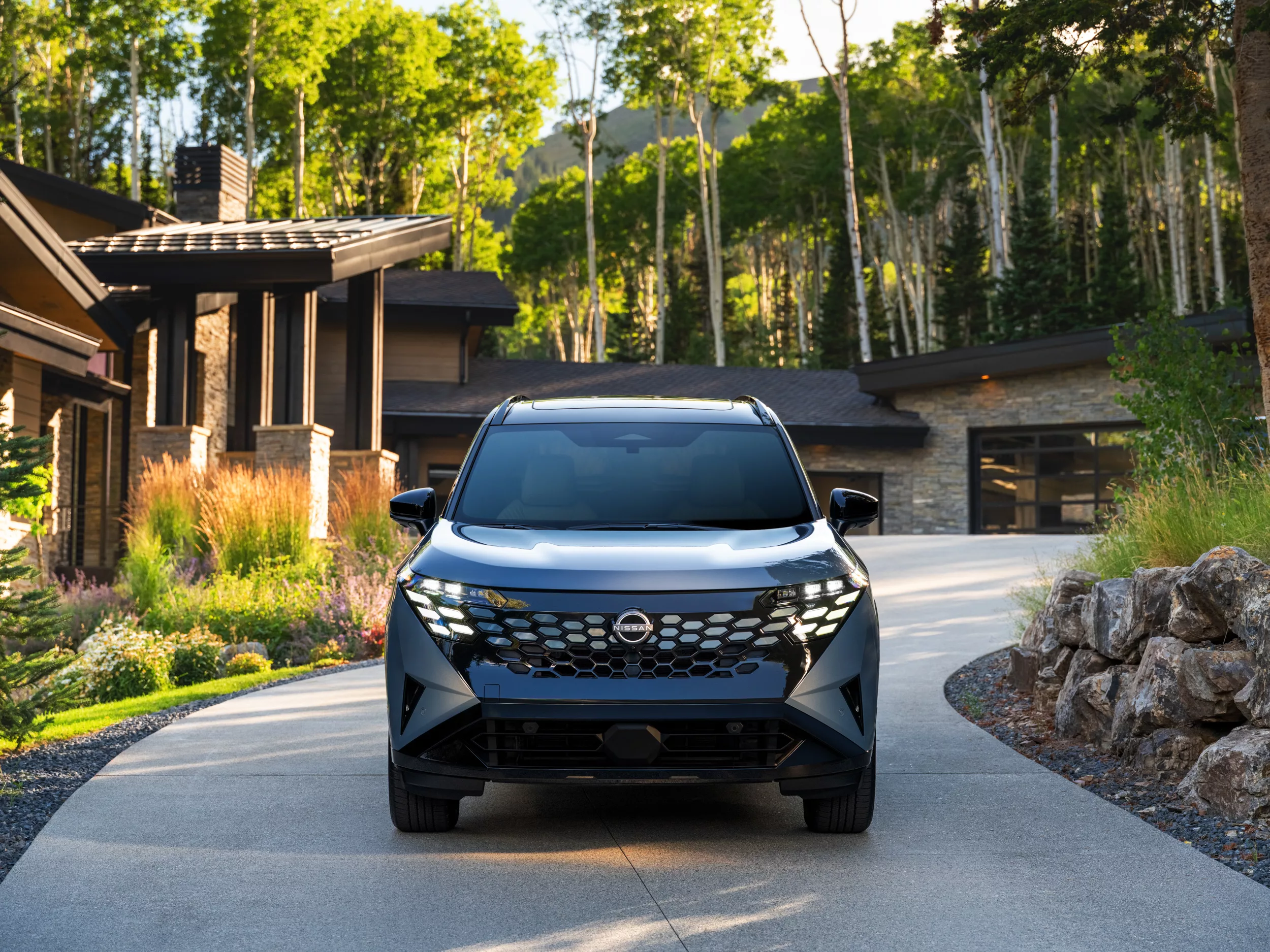
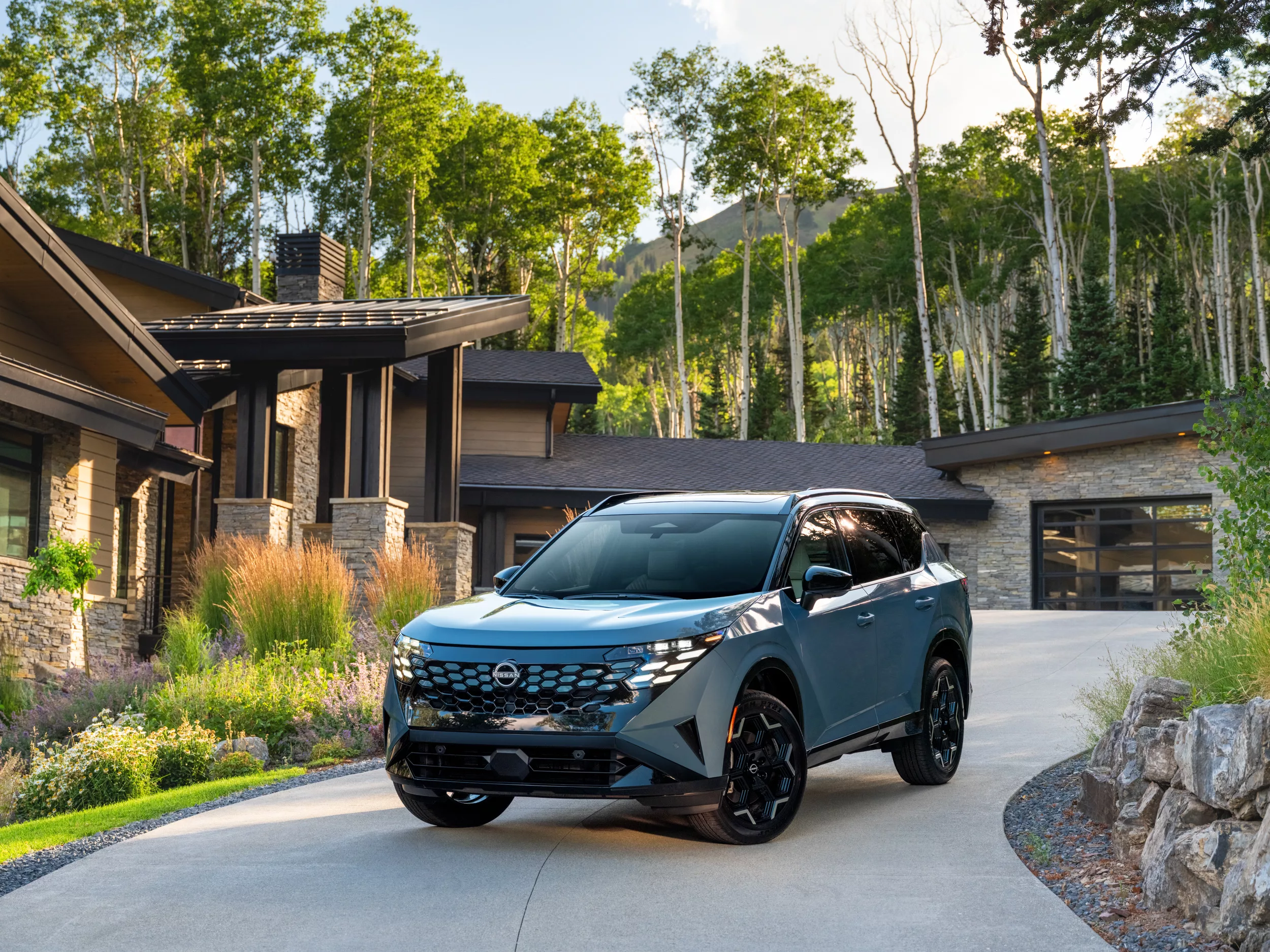
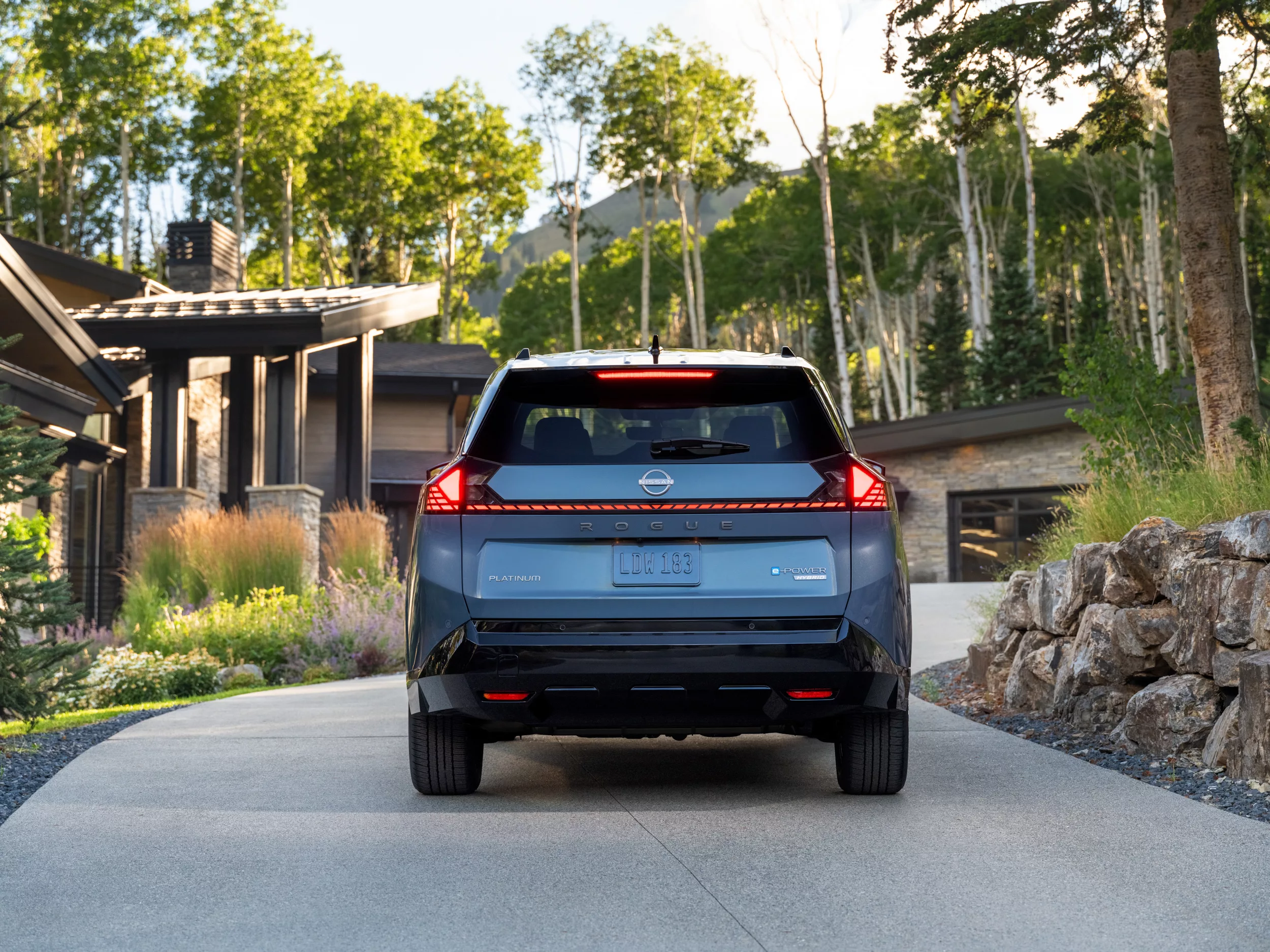
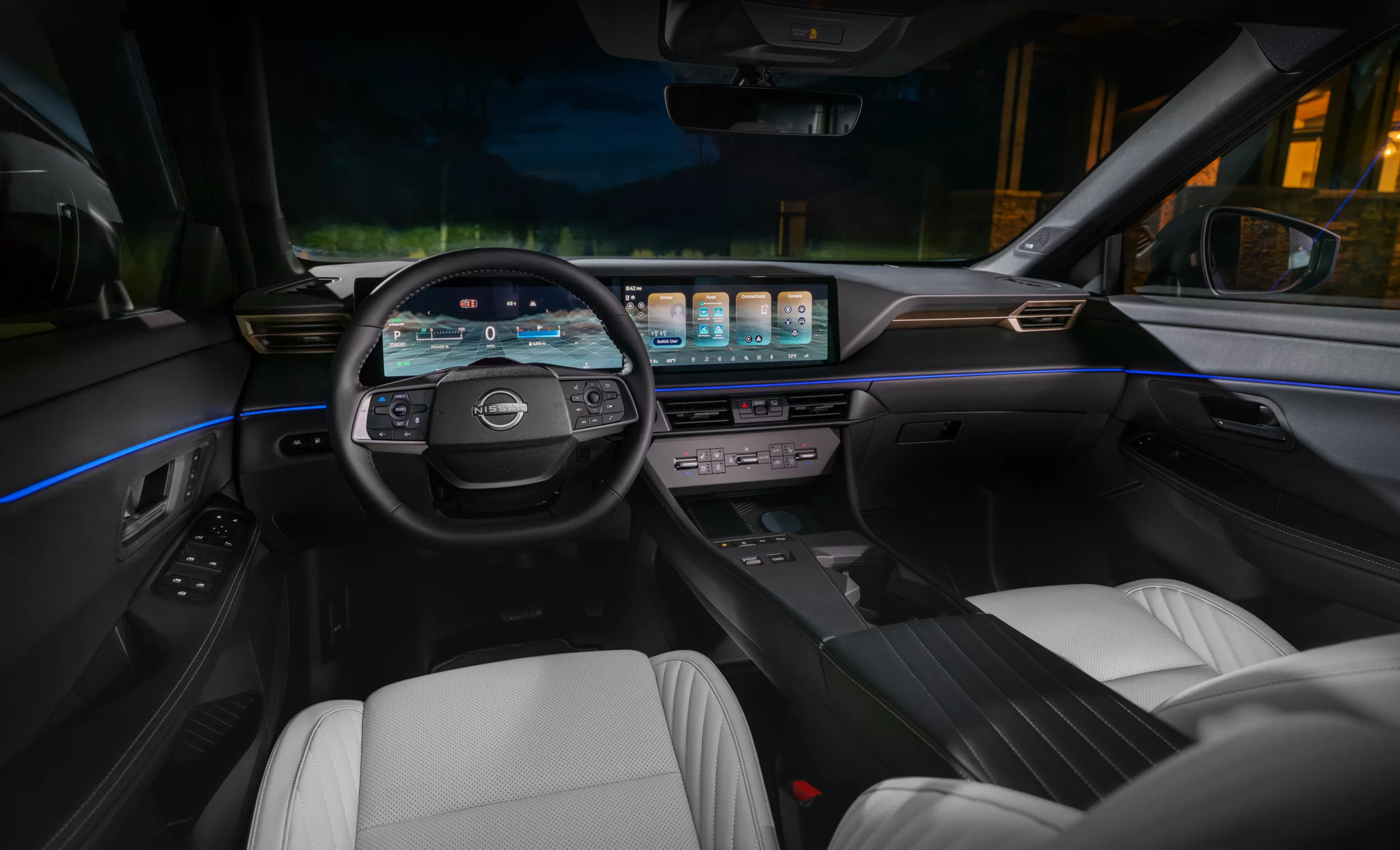
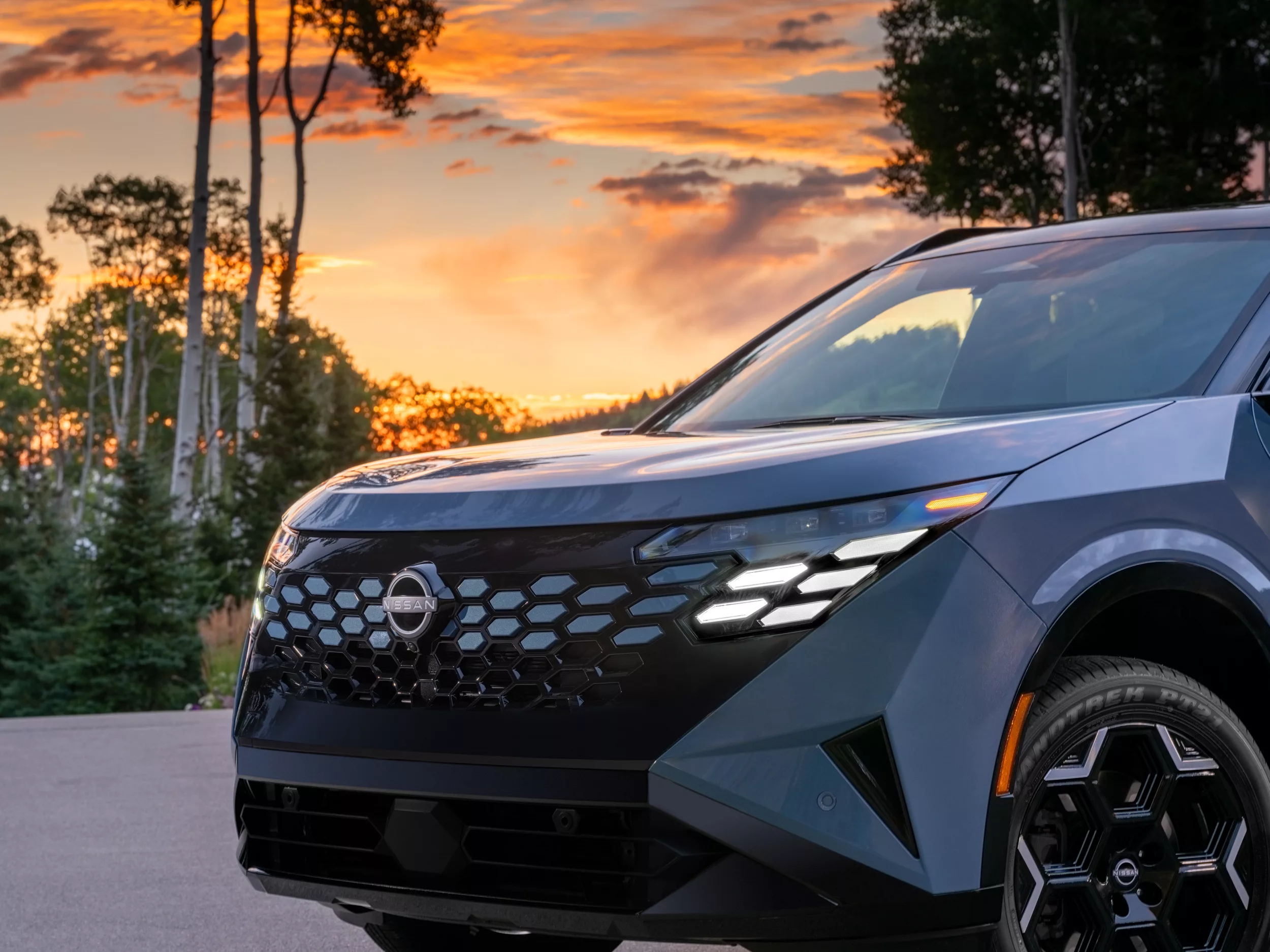
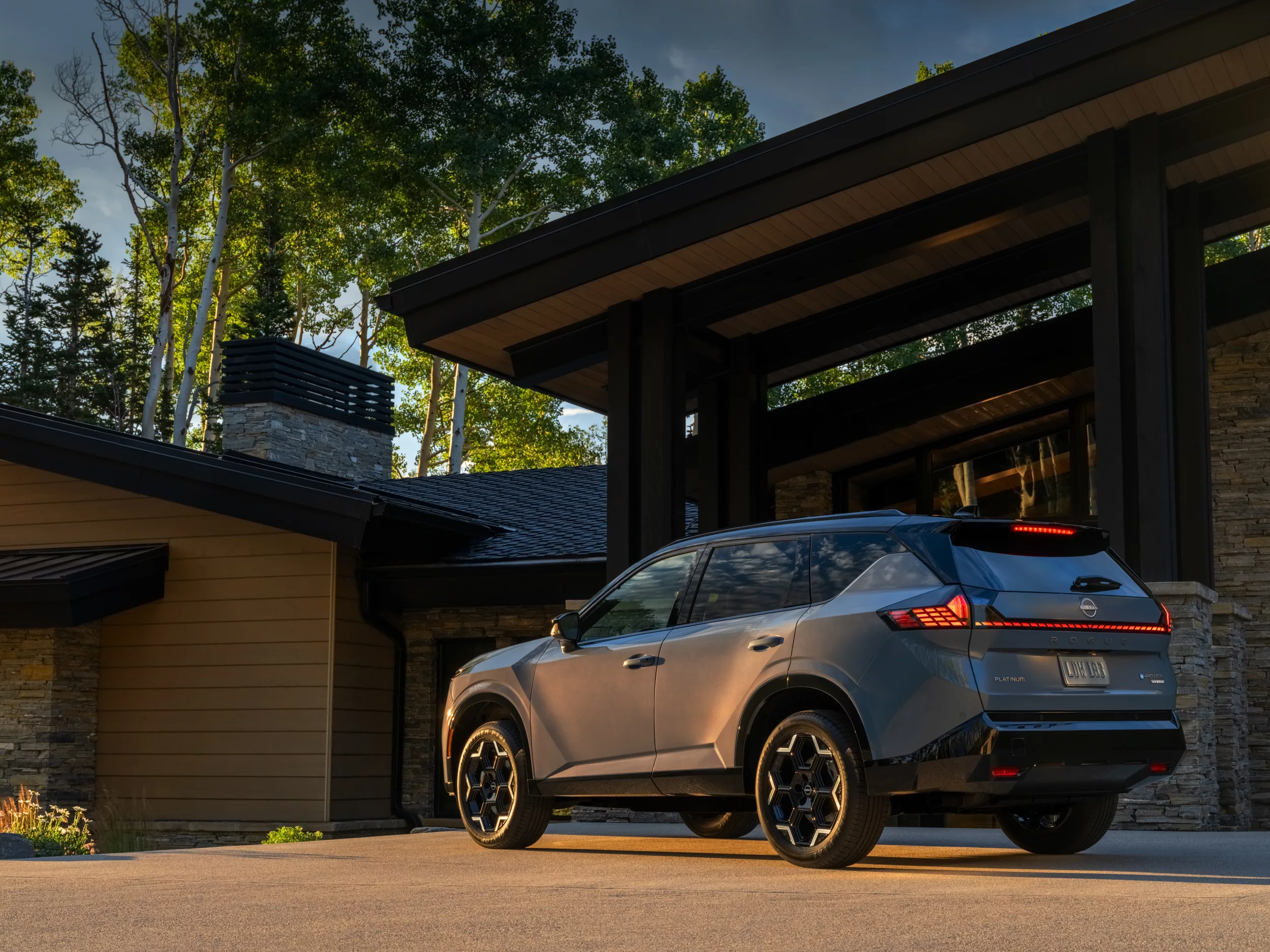
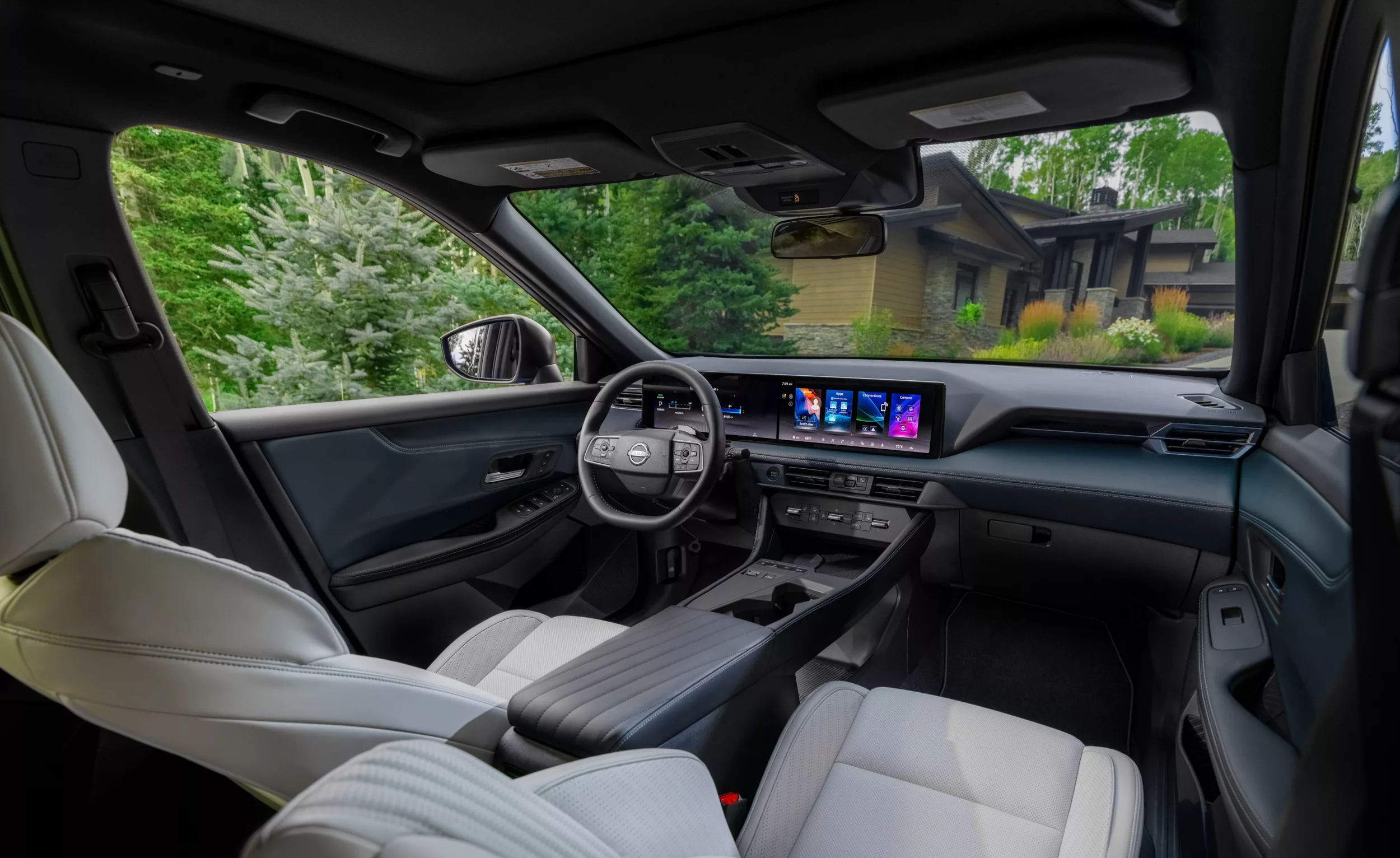
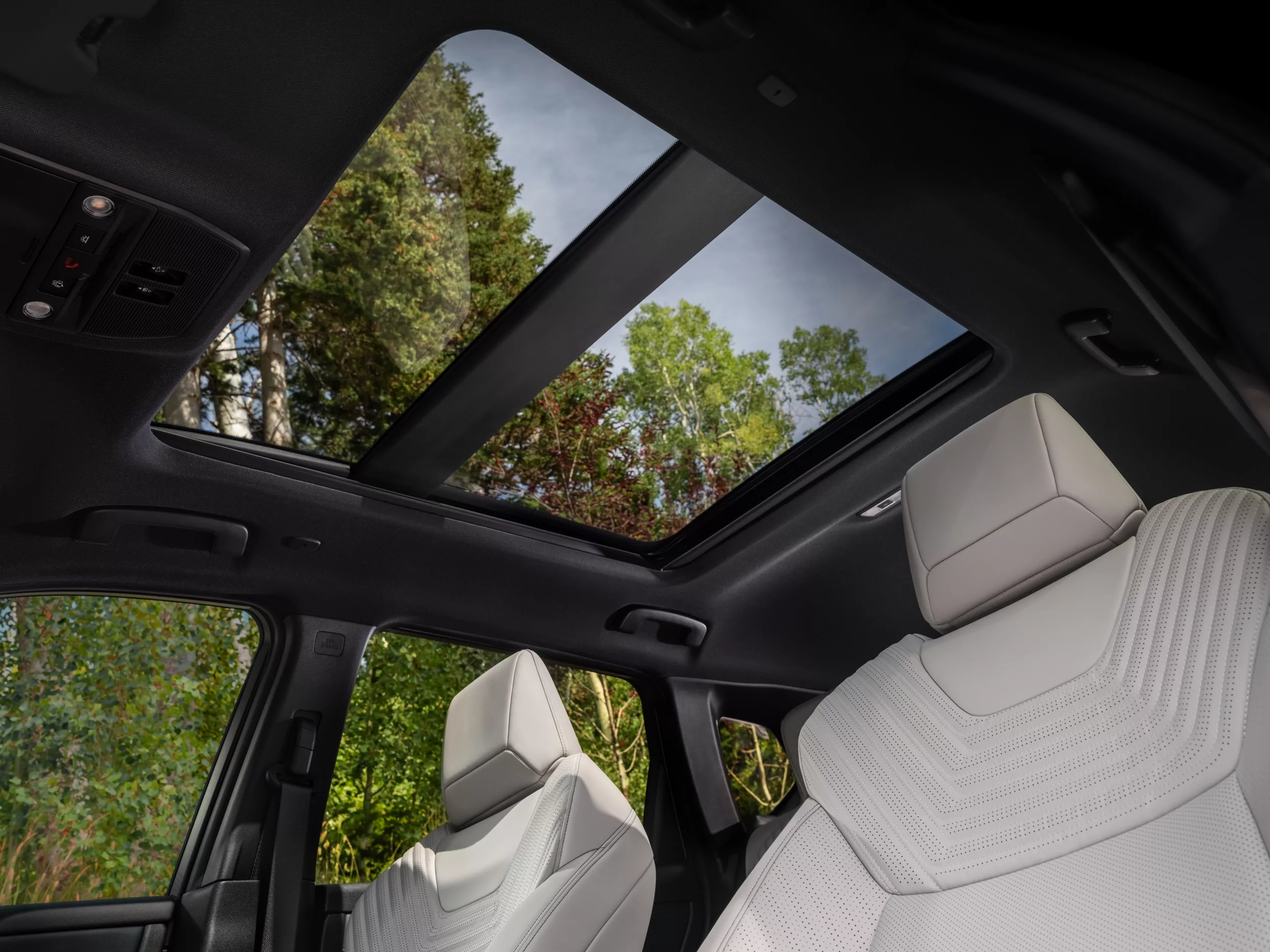
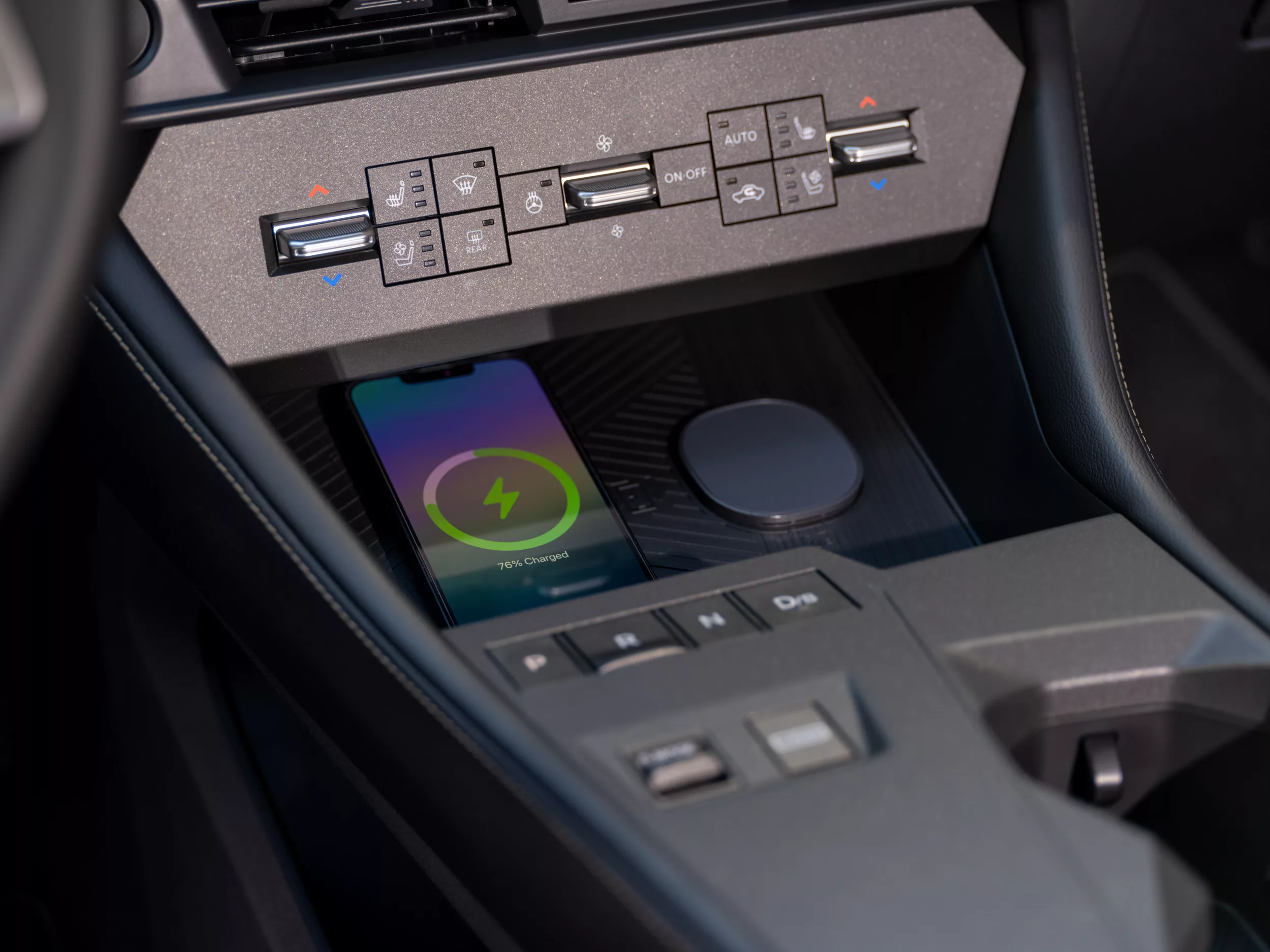
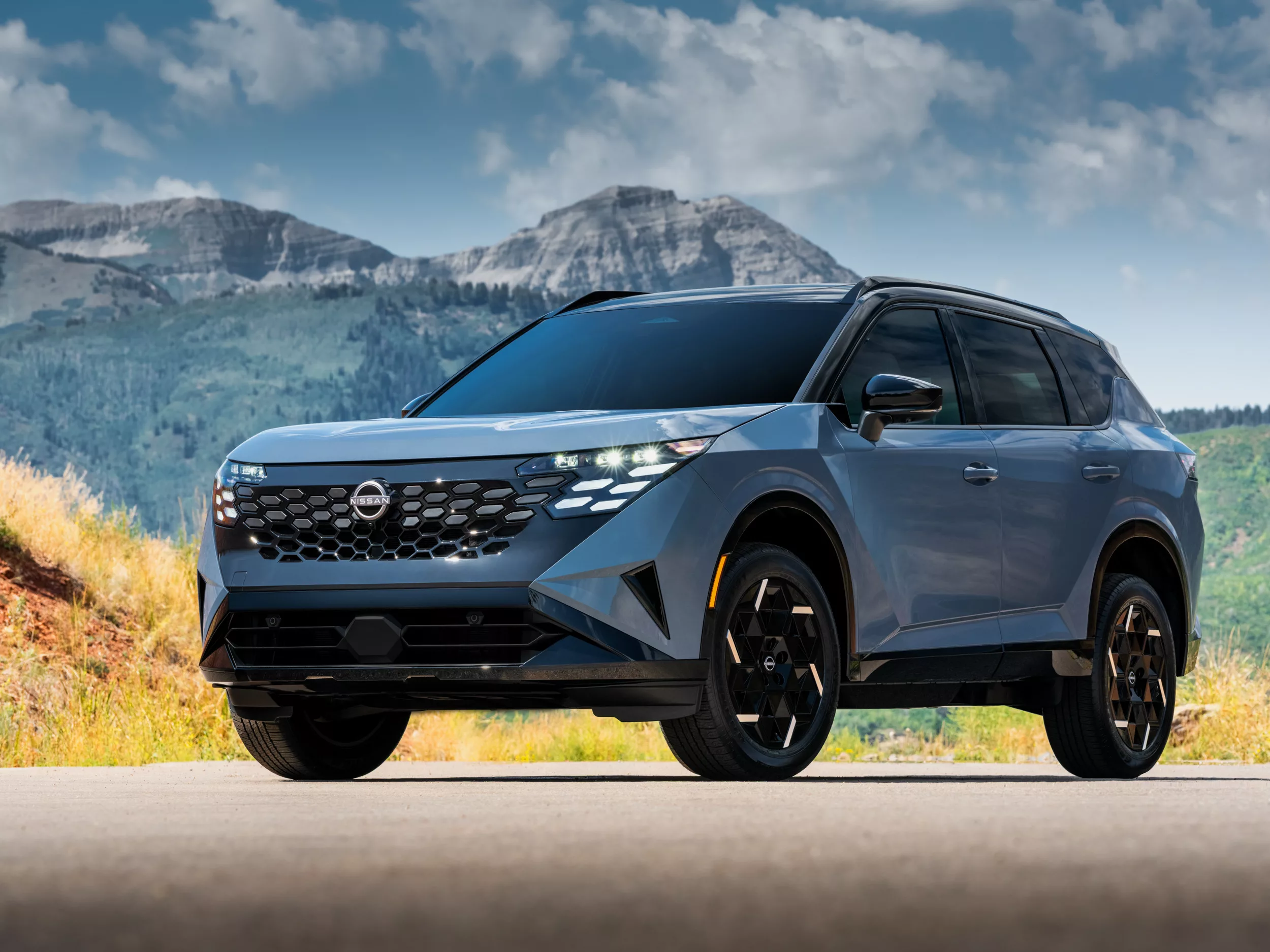
Nissan is bringing the new Rogue Hybrid to the US market, with one key technical catch: the gasoline engine does not drive the wheels directly. The 1.5-litre turbo engine generates electricity, while two electric motors provide propulsion. The setup will be familiar from the Qashqai, where e-Power already works on the same principle. Americans, however, will get a more powerful all-wheel-drive version of the system.
The 2027 model-year Rogue Hybrid uses Nissan's third-generation e-Power system and will go on sale in the US in late 2026. It is a surprisingly important step for Nissan, as the Toyota RAV4 and Honda CR-V have long since made their mark with hybrids in the US SUV market.
The gasoline engine becomes a generator
e-Power differs from conventional hybrid systems in that the internal-combustion engine has no mechanical connection to the wheels. The 1.5-litre three-cylinder turbo engine operates as a generator, with electrical energy passing through the battery to the motors, and the vehicle is always driven by electric motors.
This allows the internal-combustion engine to operate in a more efficient range and does not force its revs to be directly tied to the vehicle's speed. As a result, the driver gets the immediate response of an electric car, but without the need for a charging plug.
The Rogue uses two electric motors and all-wheel drive. Total system output is 168 kW. By comparison, the electric motor in the front-wheel-drive European third-generation Qashqai e-Power produces 151 kW.
That means the Rogue is not simply a larger Qashqai. Nissan adapted the same technical idea for a heavier US SUV and added a second electric motor.
About 5.9 l/100 km in the city
Nissan claims an EPA city rating of 40 mpg for the Rogue Hybrid, equivalent to approximately 5.9 l/100 km in European units. The highway figure is 36 mpg, or around 6.5 l/100 km, while the combined figure is 38 mpg, or approximately 6.2 l/100 km.
The figures are not revolutionary in the world of hybrids. Toyota and Honda have already shown that a gasoline SUV returning around six litres per 100 km is no engineering miracle.
e-Power's argument lies more in the driving feel. Since only electric motors drive the wheels and there is no conventional gearbox, the Rogue should respond to the accelerator more like an electric car than a conventional hybrid.
Europe got the technology first
Nissan is marketing e-Power in the US as a fresh hybrid solution, although the technology went into series production in Japan as early as 2016. Nissan says it has sold nearly two million vehicles equipped with the first two generations of e-Power worldwide.
e-Power arrived in the Qashqai in Europe in 2022, while the third-generation system reached the region in 2025. The newer solution combines five key powertrain components into a single module and uses an internal-combustion engine developed specifically to generate electricity.
The US Rogue now shows that Nissan wants to make e-Power a more global technology than before. The timing could have been earlier: the Toyota RAV4 Hybrid and Honda CR-V Hybrid no longer need to explain to American buyers why a hybrid might be a good idea.
Nissan's trump card is a different technical solution. The Rogue Hybrid is neither a plug-in hybrid nor a conventional parallel hybrid, but essentially an electric car that generates electricity using gasoline. It sounds more complicated than it actually is, and at least behind the wheel, the result should feel exactly the opposite.


